



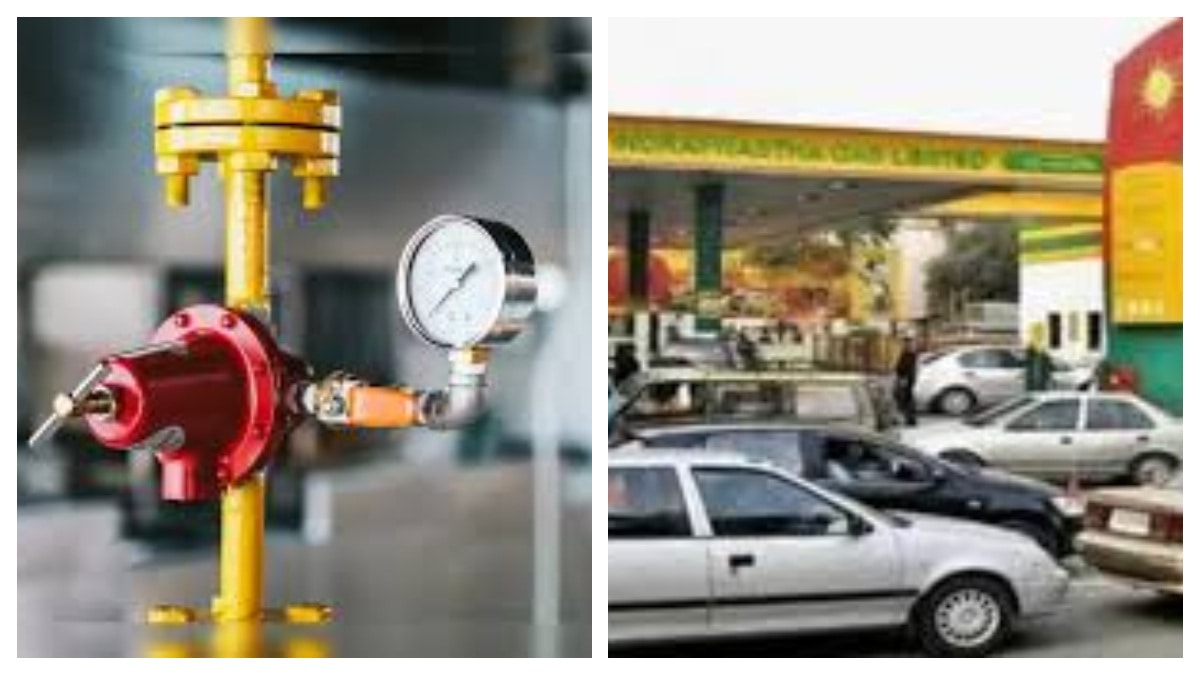
Commuters and households across the Mumbai Metropolitan Region (MMR) will now pay more for natural gas after state‑run distributor Mahanagar Gas Limited (MGL) announced fresh increases in Compressed Natural Gas (CNG) and Piped Natural Gas (PNG) rates, effective May 30 (Saturday), said a report of The Indian Express. CNG was raised by Rs 2 per kg to Rs 86, while PNG for household cooking increased by 50 paise per Standard Cubic Meter (SCM).
Second CNG hike in 15 days
This is the second CNG price revision by MGL this month. The company had earlier raised CNG by Rs 2 per kg on May 14; the latest increment brings the cumulative rise in May to Rs 4 per kg. The new rates apply across Mumbai, Thane, Navi Mumbai and other parts of the MMR, and to other cities served by MGL, including Kalyan, Raigad, Ratnagiri, Latur, Osmanabad, Chitradurga and Davanagere.
Earlier on May 27, Congress party held a protest in Mumbai over fuel price hike. The government also asked state fuel retailers to build LPG reserves for around 30 days of demand.
Impact on transport sector
The hike will directly affect the region’s large CNG‑dependent transport fleet. The number of CNG vehicles in the Mumbai region has crossed around 12 lakh, including about 4.7 lakh auto‑rickshaws, over 1.6 lakh taxis and more than five lakh private vehicles. Thousands of auto drivers, taxi operators and private vehicle owners- who consider CNG a relatively affordable fuel option- are likely to see operating costs rise. Industry representatives have warned that persistent increases could prompt formal fare‑revision proposals to transport authorities.
Household bills inch up as PNG rates rise
The PNG revision will affect more than 31 lakh households in the MMR that rely on piped gas for cooking. While the 50‑paise rise per SCM may seem modest, it adds to household expenditure at a time of rising living costs. Consumer groups said cumulative small increases across essentials can strain budgets.
Why prices rose?
MGL attributed the hikes to higher gas procurement costs driven by a mix of global and domestic factors. Officials cited geopolitical uncertainties disrupting energy supply chains, increased reliance on relatively expensive gas sources, rising crude oil prices and a weakening rupee- all of which raise the landed cost of natural gas.