



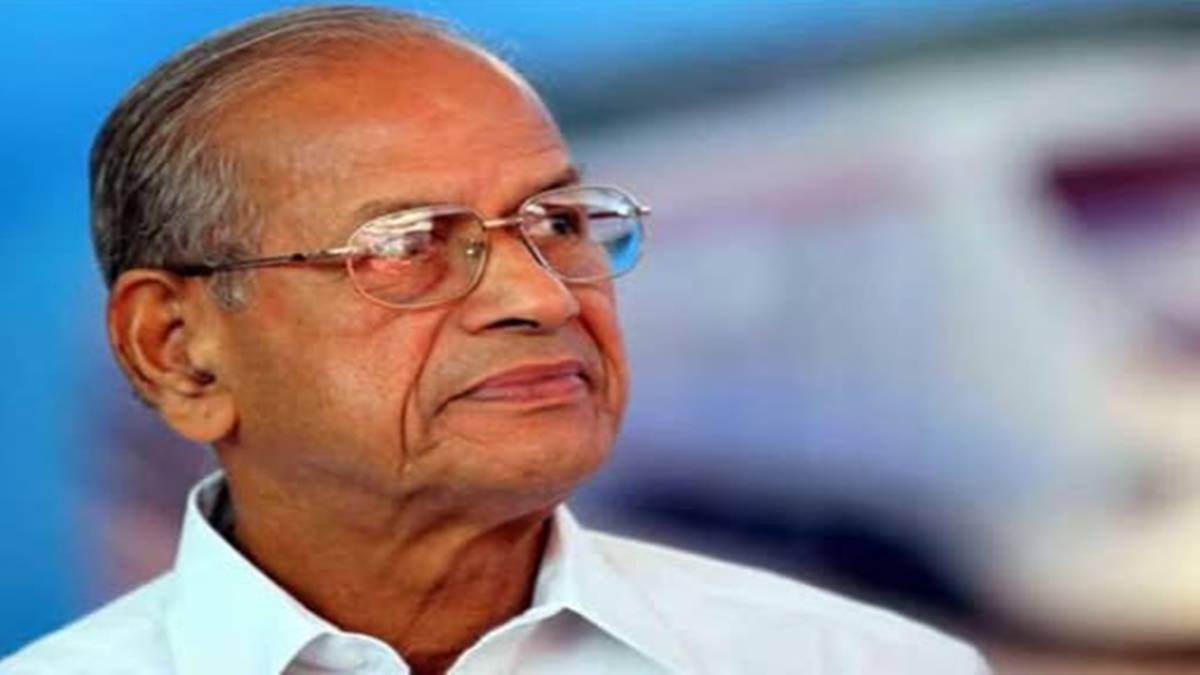
Kerala‘s ambitious plan to build a solar-powered high-speed rail corridor under the guidance of “Metro Man” E Sreedharan has hit a major hurdle. A government-appointed expert panel has concluded that it should not move forward in its current form.
Chief Minister V D Satheesan said on Wednesday that the panel has advised the state government against taking any immediate steps, including land acquisition or route demarcation, until several critical studies are completed. The proposal was prepared by the Delhi Metro Rail Corporation (DMRC) under Sreedharan’s guidance.
Why has the project been put on hold?
According to Satheesan, the expert committee found several loopholes in the proposal.
Addressing reporters after the Cabinet meeting, the Chief Minister said the report lacks social and environmental impact assessments, does not include viability or feasibility studies, and offers no clear economic model to support such a large investment.
He also said the proposal focuses only on passenger transport and does not include a logistics or freight component.
“Without a logistics component, we will face problems in repaying the money we borrow for the project,” Satheesan said, adding that the government would have to study freight movement before moving ahead.
The committee has also pointed out that the proposal does not estimate expected passenger numbers or explain how the corridor will integrate with metro systems, inland waterways and other transport networks, according to the Chief Minister
What is E Sreedharan’s proposal?
According to The Indian Express, the proposal is about a 473.2-km double-line high-speed rail corridor connecting Thiruvananthapuram (Poojapura) with Kannur (Mundayad) through 23 stations. The project costs Rs 60,000 crore – of which Rs 36,000 crore is proposed to come through equity contributions by the Centre and Kerala in a 51:49 ratio, while the remaining Rs 24,000 crore is proposed to come through crowdfunding.
The corridor would be almost entirely elevated, except for a 6.5-km tunnel in Thiruvananthapuram, and is designed to reduce travel time between the two cities to around 3 hours and 30 minutes.
One of its biggest features is its proposed captive solar power network, which would generate electricity for train operations while selling surplus power to the Kerala State Electricity Board (KSEB). If implemented, it would become what the proposal describes as the world’s first green rail corridor, according to The Indian Express.
How is it different from the earlier SilverLine project?
The Congress-led government had scrapped further action on the previous Left government’s controversial SilverLine (K-Rail) project before asking DMRC to prepare a fresh proposal.
Satheesan said the state does not want to repeat the mistakes made during the earlier project, where land acquisition was initiated before key studies were completed.
What happens next?
For now, the proposed high-speed rail corridor remains under review.
The Kerala government will study the expert committee’s recommendations before deciding whether the proposal should be revised or a fresh Detailed Project Report (DPR) should be prepared.
Until then, no land acquisition or route demarcation will be carried out, the Chief Minister said.