



India Inc is keen on increasing engagement with Latin American companies as they find the market attractive. A number of business delegations from India will be visiting Latin American countries around May to explore possibilities with regard to trade and investment. Indian companies are also looking at increasing value-added trade with their LatAM counterparts in a departure from the bulk trade approach that was being followed so far, industry sources said. A large business delegation will be heading to Sao Paula, Brazil, in May to take part in a trade fair to be held for distributors and suppliers of products and services used in hospitals. This will be followed by another big delegation of 100 representatives from various companies to the region for a buyer-seller meet. Earlier this month, the Export Promotion Council for Handicrafts organised a buyer-seller meet in Lima, Peru, simultaneously with the ‘India Sourcing Show 2018’, an event organised by the India Trade Promotion Organization. Talking to FE, a senior officer at Ficci said, “India needs to organise one big purposeful event in Latin America every year for different sectors.
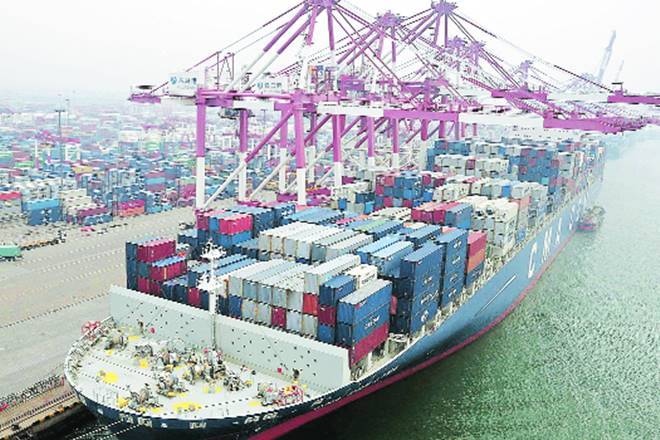
Big Indian companies along with MSMEs/SMEs should take part in such events.” The large corporate needs to leverage on the LatAm region as an investment destination and work towards investment-led trade and use the region as a production hub to not only leverage the domestic market but also use numerous trade agreements signed by Latin American countries and groups with other important markets,” he said. According to Ficci, “The primary approach towards trade with Latin America has remained in the realm of bulk or merchandise trade, and not value-added trade from both the sides. Currently, Indian companies face the problem of not being competitive enough because of various domestic infrastructure bottlenecks. Besides, due to lack of direct shipping lines or possible air traffic corridors, Indian goods reach Latin American shores (east coast) at a minimum lag of 15-30 days over rivals such as China.”
The industry body has pointed out that the Indian government needs to build warehouses at strategic locations in Latin America so that goods can easily be available to customers. Though India has such a scheme, it has not been effectively used, and needs to be reviewed. However, despite all these efforts, the trade target of $100 billion by 2020 looks elusive, since there are several challenges to overcome. They include tariff and non-tariff barriers, foreign investment restrictions, movement of professionals, taxation, regulatory compliance and permits, infrastructure, land acquisition, intellectual property protection, etc.