



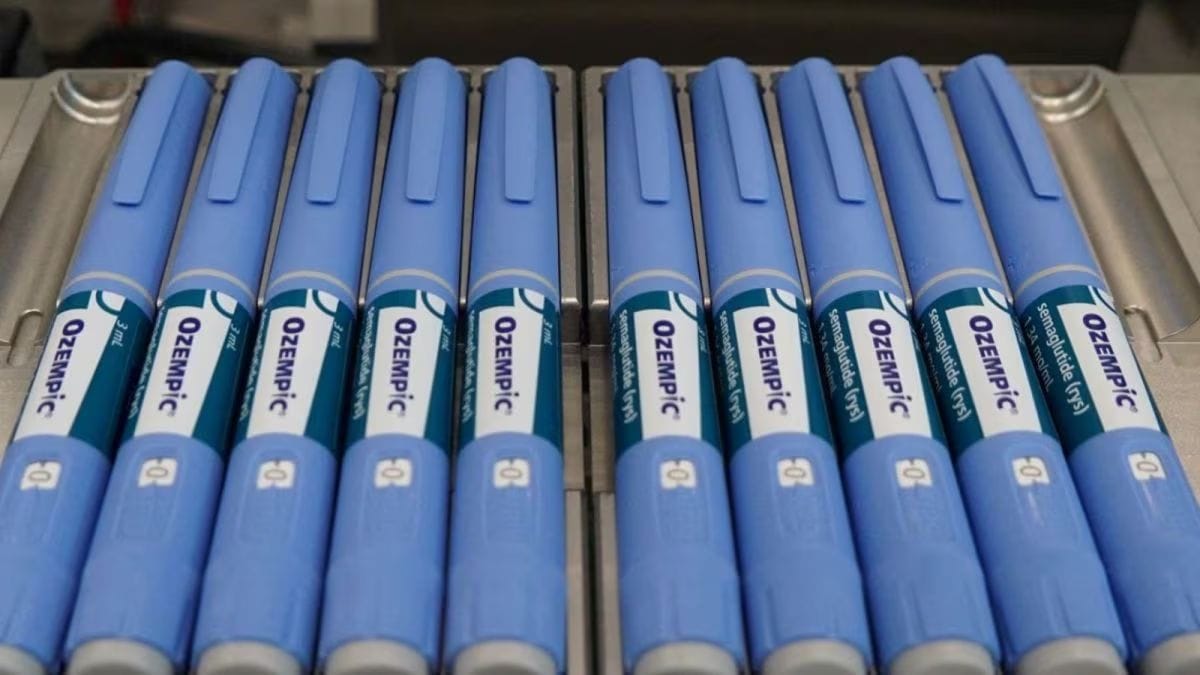
Come March 20, when the patent for Semaglutide expires, the Indian market is expected to see the launch of generic drugs from at least seven pharma companies, at costs ranging from one-third to one-fourth of existing prices. “The costs will come down to one-third, and some companies are even talking of offering the drug at one-fourth of the price,” a source told FE.
The monthly treatment cost of Semaglutide (Ozempic/Wegovy) is about Rs 10,000-12,000 presently, which is expected to drop to Rs 3,000-4,000 per month with generic drugs. And, as the generic opportunity opens up post expiry of patent, it will be the price that will swing pharma fortunes in a market that is set to outpace global trends when it comes to use of GLP-1 drugs.
Currently, seven domestic drugmakers have got the government’s approval to launch a generic version of Semaglutide post its patent expiry. They include Sun Pharma, Dr Reddy’s Labs, Zydus Lifesciences, Natco Pharma and Alkem Laboratories. Nine companies including Cipla, Lupin, Biocon and Intas have GLP-1 products in the pipeline.
Zydus Lifesciences recent agreement with Lupin
On Tuesday, Zydus Lifesciences inked an agreement with pharma major Lupin to sell Zydus’ Semaglutide in the Indian market. Under the deal, Lupin will have semi-exclusive rights to co-market Semaglutide injection under the brand names Semanext and Livarise with a patient-friendly reusable pen device. Lupin will also pay licensing fees and milestone payments (to Zydus) on achieving pre-defined milestones.
Zydus had recently announced that it plans to launch Semaglutide injection under three brand names on the first day of the patent expiry (March 20), claiming its offering will be different since it works on a novel, indigenously developed drug-delivery system. “Unlike existing treatments that require patients to purchase multiple single-dose pens as they titrate their dosage, Zydus plans to introduce an innovative, adjustable single-pen device.
This technology allows patients to seamlessly select and administer varying dose strengths from a single unit, significantly enhancing patient adherence, maximising convenience and drastically reducing the overall cost of therapy,” the company statement said.
Simultaneously, Lupin is developing its own internal oral version of Semaglutide for launch by FY27. Lupin’s managing director Nilesh Gupta commented: “Our collaboration with Zydus will enhance the company’s diabetes portfolio and reinforce focus on addressing unmet patient needs.”
Dr Ambrish Mithal, chairman and head of endocrinology and diabetes at Max Healthcare, told FE that generics cheaper by over 50% will melt the affordability barrier for many patients in India. He, however, cautioned that generics also increase possibility of misuse. “The positives are huge with generics, but sale has to be strictly controlled and only on prescription by a qualified practitioner,” he said.
Dr Dheeraj Kapoor, head, endocrinology, Kokilaben Dhirubhai Ambani Hospital, Mumbai, said generics will enable people to take the drug for far longer given reduced costs. “The drugs should be taken for at least a year, but we see many giving up after about three months due to cost. And if the generics are as efficacious as the original, it spells good news for patients.”
While Tirzepatide currently leads the GLP-1 market in India with a 61% share, driven by the early launch momentum of Mounjaro and its dual GIP/GLP-1 mechanism, Semaglutide is rapidly gaining ground through its dual-brand strategy — Ozempic for diabetes and Wegovy for obesity — enabling sharper patient segmentation and expanding therapeutic adoption, said a recent analysis by Pharmarack.
India Ratings has said the Indian market will outpace global counterparts. “Globally, the growth of GLP-1 market is expected to be 34% over the next five years. Despite the heavy price erosion, the growth in Indian market is set to outpace the global trend,” said Krishnanath Munde, associate director at India Ratings.
CareEdge Ratings has estimated that the weight-loss drug market will grow to around Rs 5,000 crore in India by 2030, up from Rs 1,000 crore at present. It predicts that after the patent expiry, drug prices are likely come down in a phased manner, with around 50% reduction expected in FY27 followed by 10-30% drop in FY28 on account of intense competition.