



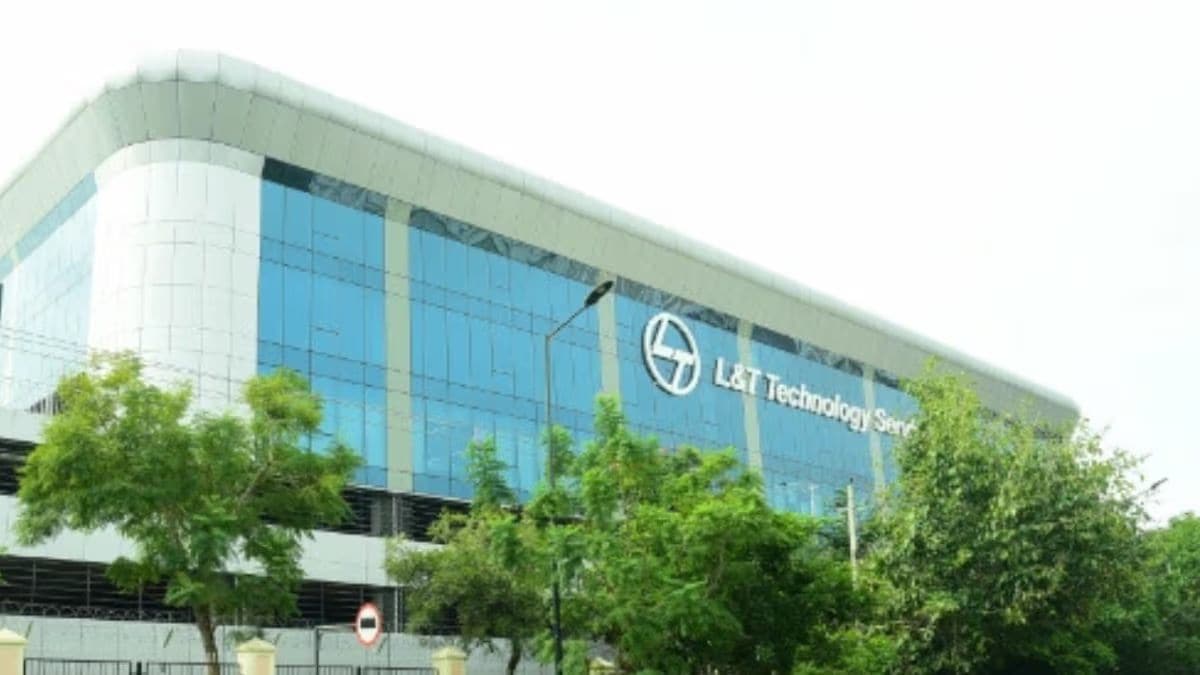
L&T Technology Services (LTTS) plans to exit commoditised and non-core segments while doubling down on high-value engineering and artificial intelligence (AI) to strengthen profitability. Even as the company navigates a cost-sensitive domestic market that has limited the immediate adoption of some advanced solutions, LTTS will prioritise margins and global demand over the next five years, Amit Chadha, CEO & MD of L&T Technology Services (LTTS), told FE.
“We are trimming on what we believe will get commoditised and areas where we are not strong,” Chadha said, adding that the company intends to sharpen its focus on high-value, globally deployable offerings.
Even as it develops several advanced AI-led engineering solutions, large-scale adoption within India depends on clear, near-term return on investment. Central to LTTS’ strategy is a transition towards what it calls “Engineering Intelligence (EI)”, integrating AI across engineering, manufacturing, and physical systems.
Transition into a margin-led expansion cycle
LTTS now expects to transition into a margin-led expansion cycle, with its “continuing business” projected to grow in double digits in the next financial year.
LTTS reported a consolidated net profit of ₹303 crore for Q3 FY26, down 8% sequentially from ₹329 crore in Q2 FY26. On a year-on-year (YoY) basis, it registered a decline of 6%. “We will continue to see growth in gross margins,” Chadha said.
However, the mobility vertical, a key contributor to LTTS’ revenues, has seen a downturn over the past year. This has been driven by multiple global factors, Chadha said. European automakers have lost market share to Chinese competitors, while US original equipment manufacturers have faced uncertainty around electric vehicle (EV) strategies, he added.
Sustainability segment continues to grow
In contrast, the sustainability segment continues to grow and is currently the fastest-growing and most profitable vertical for LTTS. Beyond AI, LTTS plans a speedy deployment of emerging technologies such as quantum computing, with early use cases in healthcare and manufacturing.
On telecom, however, the company takes a measured view. While 5G deployments have created opportunities for telecom operators and hyperscalers, enterprise adoption, particularly private 5G, has been slower than anticipated.
As a result, LTTS does not see 6G as an immediate priority, choosing instead to focus on areas with clearer commercial viability and stronger demand visibility.