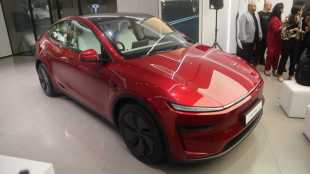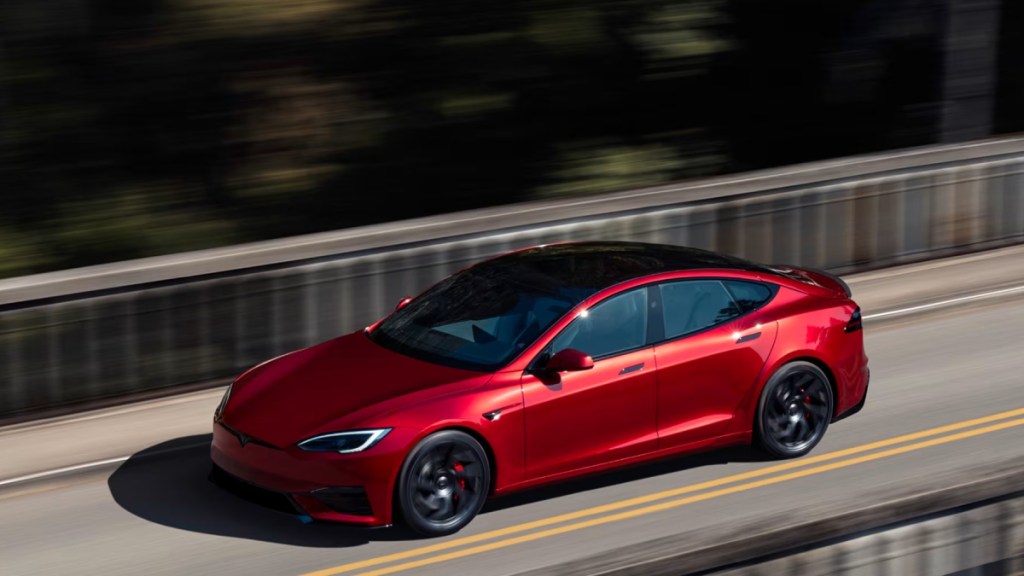
Elon Musk’s Tesla has announced the end of production for its flagship Model S sedan and Model X SUV, two vehicles that helped establish the company as a leader in electric vehicles in its early years. The decision, revealed by CEO Elon Musk during the company’s Q4 2025 earnings call, marks a significant pivot toward robotics and artificial intelligence, with the Fremont factory lines being repurposed for mass production of the Optimus humanoid robot.
The Model S, introduced in 2012, and the Model X, launched in 2015 with its signature falcon-wing doors, will cease production by the end of the second quarter of 2026, with final units expected to roll off the line in June. Musk described the move as an “honorable discharge” for the programs, acknowledging their historical importance while highlighting the need to reallocate resources.
“It’s time to basically bring the Model S and X programs to an end with an honorable discharge, because we’re really moving into a future that is based on autonomy,” Musk stated during the call. He noted that interested buyers should act quickly, as this is the final window to order the vehicles.
Declining sales a key reason
Sales of the Model S and Model X have significantly declined in recent years, now accounting for less than 3% of Tesla’s total deliveries. Industry data shows sharp drops in 2025, with Model S sales falling over 50% year-over-year and Model X declining by about a third. These aging luxury models have been overshadowed by higher-volume, more affordable offerings like the Tesla Model 3 and Model Y, which dominate Tesla’s lineup and keep getting updates. The arrival of the Cybertruck also seems to have hampered the sales of these vehicles.
The discontinuation is not viewed as a retreat from the automotive market but as a deliberate shift to prioritise emerging technologies. Tesla will continue providing long-term service, parts, and support for existing Model S and Model X owners “for as long as people have the vehicles.”
No direct successors have been announced for the discontinued models, further streamlining Tesla’s vehicle portfolio amid competitive pressures in the EV sector.
Priority for robotics: Optimus takes center stage
The Fremont, California facility—where the Model S and Model X were assembled—will be converted to produce Tesla’s Optimus humanoid robot. Musk has set an ambitious goal of scaling to one million units annually, positioning Optimus as a cornerstone of Tesla’s vision for physical AI and autonomy.
The announcement comes as Tesla navigates challenges, including a reported decline in overall revenue and profits for 2025, and intensifying competition in the global EV market.
Tesla fans, general public, and industry experts have reacted to this decision, with some fans expressing nostalgia for the pioneering models that defined Tesla’s early success. On the other hand, others see the shift as a forward-thinking bet on robotics.