



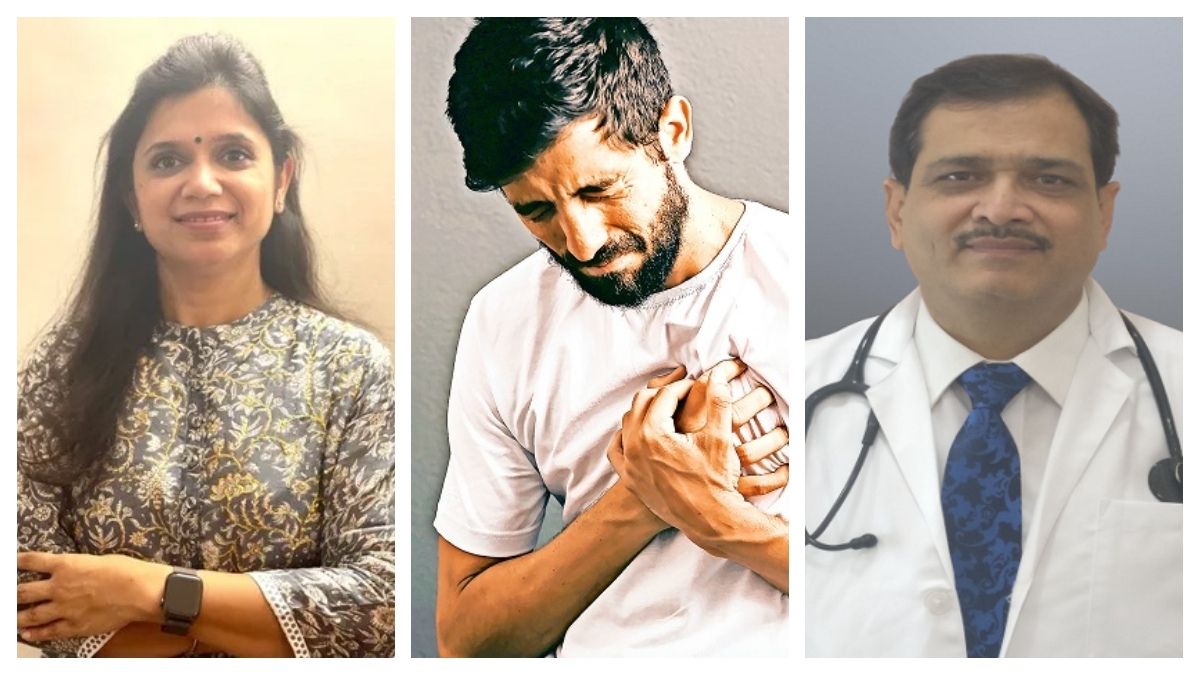
Eli Lilly’s gene-editing therapy, Verve-102, has shown early signs of the capability to lower ‘bad’ cholesterol with one-time treatment. What could this mean for the Indian population? Dr Divya Agarwal, senior consultant, medical genetics, and Dr Rajeev Kumar Rajput, senior consultant, cardiology, Indraprastha Apollo Hospital, Delhi, say: “A new generation of gene-editing therapies aims to permanently lower LDL (bad cholesterol) by switching off genes such as PCSK9 in the liver using technologies like CRISPR. Early trials suggest that a single treatment may produce long-lasting cholesterol reduction, potentially reducing future heart attack risk.
A successful long-term LDL-lowering gene-editing therapy could be transformative for India, where heart disease occurs earlier and often more aggressively than in Western populations. If proven safe and affordable, such therapies may especially benefit people with very high inherited cholesterol levels who otherwise need lifelong medication. However, for the broader population, prevention through diet, exercise, tobacco control, and diabetes management would still remain essential. High LDL cholesterol is one of the main reasons for blockage in the heart arteries. Many patients are unable to achieve the desired LDL levels with current medicines, which need to be taken daily and may have side-effects or added costs.”
Do such tools also work in genetic disposition towards heart disease?
Yes, these tools are particularly promising for people with inherited forms of high cholesterol, such as familial hypercholesterolemia, where a genetic mutation causes very high LDL from birth. In such individuals, lifestyle changes alone are often insufficient, and gene editing could theoretically address the root cause rather than just controlling symptoms with lifelong medication.
How much of India’s heart disease burden is due to lifestyle, and how much due to genetics?
Heart disease in India is best understood as an interaction between genetics and environment. South Asians do appear to carry a higher inherited susceptibility to conditions like diabetes, abdominal obesity, and abnormal lipid metabolism. But this genetic risk is greatly amplified by modern lifestyle factors such as sedentary living, smoking, stress, air pollution, poor sleep, and diets high in refined carbohydrates and trans fats. In clinical practice, lifestyle remains the major modifiable driver, even in genetically predisposed individuals.
Have you seen lower number of cases in the younger generation, as healthy living is becoming a way of life for so many?
Some positive lifestyle changes are being seen among younger people today. Many are becoming more aware about health, smoking less and adopting habits like exercise and yoga. These changes may help reduce heart problems over time, although heart disease still develops earlier in Indians compared to Western populations.
Disclaimer: The information in this article is for educational and informational purposes only and is not intended as medical advice. While the author has incorporated expert medical guidance while producing the story and ensured full authentic information is provided to the reader, you should always seek the advice of a qualified healthcare provider regarding a medical condition or treatment. Never disregard professional medical advice or delay in seeking it because of something you have read here.