



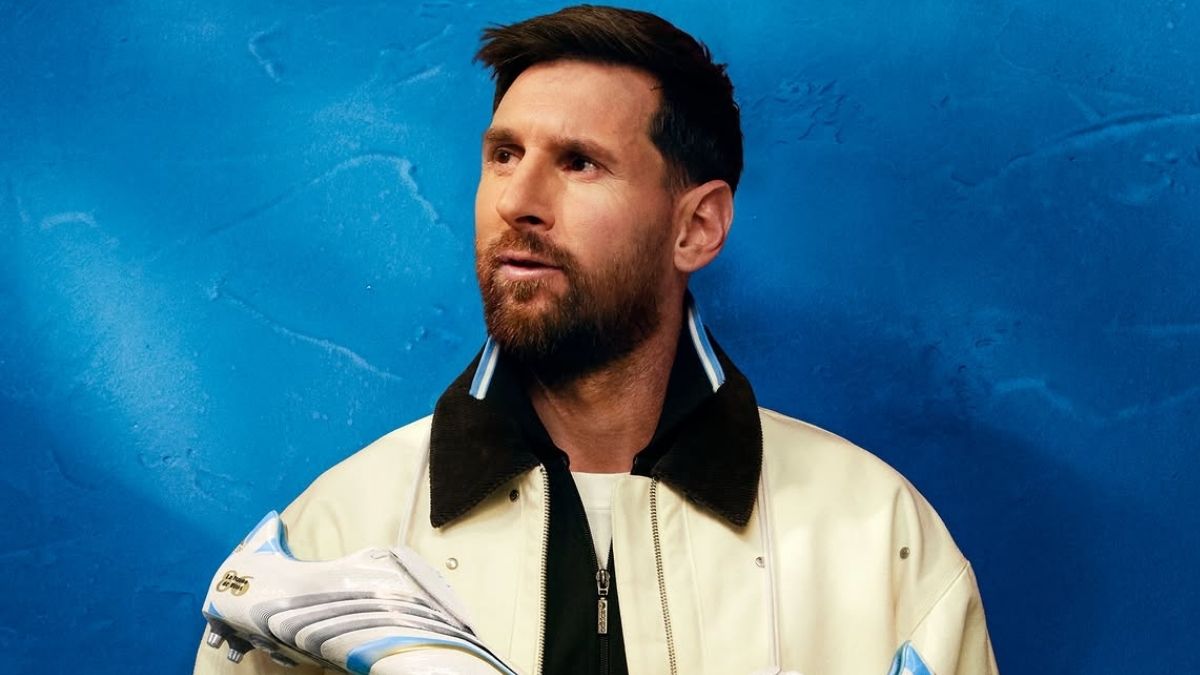
While the world watches Lionel Messi chase glory on the pitch, the Argentine has spent nearly a decade building something far less visible but arguably just as impressive: a hospitality empire that now sits at the heart of his billion-dollar fortune.
Unlike contemporaries who slap their names on flashy, one-off ventures, Messi’s approach to hotels has been methodical and deeply personal — and it has quietly grown into one of the two biggest pillars of his wealth outside football.
Building block by block since 2017
Messi’s hospitality journey began in 2017 with the purchase of his first hotel in Sitges, a coastal town near Barcelona, in a deal reportedly worth around £26 million, as per Tatler Asia. That single property became the foundation for MiM Hotels, the boutique brand he has since expanded one carefully chosen location at a time.
In 2018, he added Es Vivé near Ses Figueretes beach in Ibiza, a 52-room hotel with a modern aesthetic. Two years later, in 2020, he acquired a property in Mallorca, later redesigned into a 98-room adults-only retreat with a rooftop bar overlooking the Mediterranean coast, as per Forbes.
The Mirror reported that by 2021, the portfolio had moved to the mountains with a ski resort in Baqueira, a four-star, 141-room hotel positioned at the base of the slopes with a spa, indoor pool and mountain guide services. The most recent addition came in 2023, when a property in Andorra joined the fold, home to the now-famous Leo Messi Suite.
Today, the MiM portfolio stands at six hotels across Spain and Andorra, spanning Sitges, Ibiza, Mallorca, Baqueira, Sotogrande and Andorra. Management of the group has since been handed over to hospitality major Meliá Hotels International under a lease agreement, folding MiM into The Meliá Collection brand.
What sets the MiM chain apart
What makes Messi’s hotel business distinctive is how personal it feels, rather than being a name licensed onto an existing chain. Every property displays curated football memorabilia, including replicas of his eight Ballon d’Or trophies, and the restaurant at his Andorra hotel even serves a chocolate “Ballon d’Or” dessert, an edible football filled with gold-wrapped treats priced at up to $58, as per The Mirror.
The portfolio is also deliberately segmented to serve two different kinds of travellers: Ibiza and Mallorca cater to an adults-only, beach-club crowd, while Baqueira and Andorra are built around family holidays in the mountains.
Three of the properties house Hincha, a restaurant concept co-developed with Michelin-starred chef Nandu Jubany, giving the hotels a culinary identity well beyond standard room service. Every hotel in the group also carries LEED sustainability certification, and the interiors across the chain have been shaped by well-known designers Luis Bustamante and Lázaro Rosa-Violán.
The flagship Leo Messi Suite in Andorra, complete with a promenade-facing terrace and an outdoor heated hot tub, commands rates as high as $644 a night according to The Mirror, more than double the price of a standard room at the same property.
A growing footprint beyond hotels
Messi’s hospitality ambitions have not stopped at hotel doors. In July 2025, he came on board as a strategic partner for El Club de la Milanesa, an Argentine restaurant chain with more than 70 outlets across Argentina, Uruguay and the United States, backing its planned expansion into Europe via a Miami hub.
His food and beverage interests also extend to wine, through the long-running L10 label made in partnership with Argentina’s Bodegas Bianchi in support of his charitable foundation, alongside a newer, more premium Lionel Messi Collection wine line produced with Swiss winery Château Constellation.
The impact on his fortune
The scale of this quiet build-out is now becoming clearer in the numbers. Tatler Asia reported that the billionaire footballer’s company — overseeing the hotel business — manages a portfolio valued at more than €230 million, which also includes real estate holdings in Barcelona, Paris and London and a luxury restaurant in Castelldefels.
That property and hospitality base has helped push his overall fortune past the billion-dollar mark in 2026, with his net worth built on football earnings, endorsements, and long-term investments including the MiM chain according to Forbes.
Where several of his peers have leaned into loud, headline-grabbing brand deals, Messi’s hospitality strategy has been the opposite: steady acquisitions, hands-off management through established hotel operators, and a focus on sectors tied closely to his own lifestyle and legacy.
Real estate and hospitality now rank among the largest pillars of his wealth, a quiet but calculated blueprint for life after football that Messi has been building years ahead of his eventual retirement.