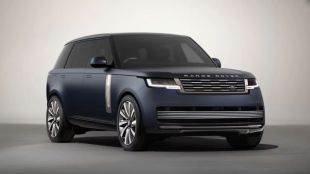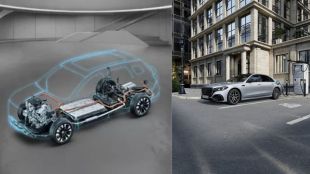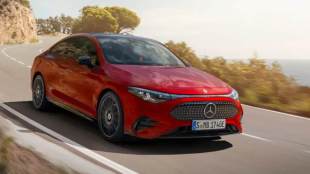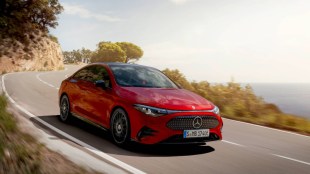
June is turning out to be an interesting month for ‘green car technologies’ that India has shied away from so far. On June 9, global giant BYD will host a technology showcase in New Delhi to debut its DM-i Super Plug-in Hybrid platform. A week later, on June 15, at the top of the luxury car segment, Mercedes-Benz will launch the all-new S-Class, featuring a plug-in hybrid powertrain capable of delivering 100 km of pure EV driving.
While hybrid electric vehicles (HEVs) have been around for a while, carmakers have stayed away from plug-in hybrid electric vehicles (PHEVs), both due to high development costs and no taxation benefit.
Most, instead, have pivoted towards battery electric vehicles (BEVs) as they attract just 5% GST, whereas HEVs and PHEVs are treated as large combustion cars, attracting 40% GST. But this month’s back-to-back PHEV launches are expected to generate interest in this technology.
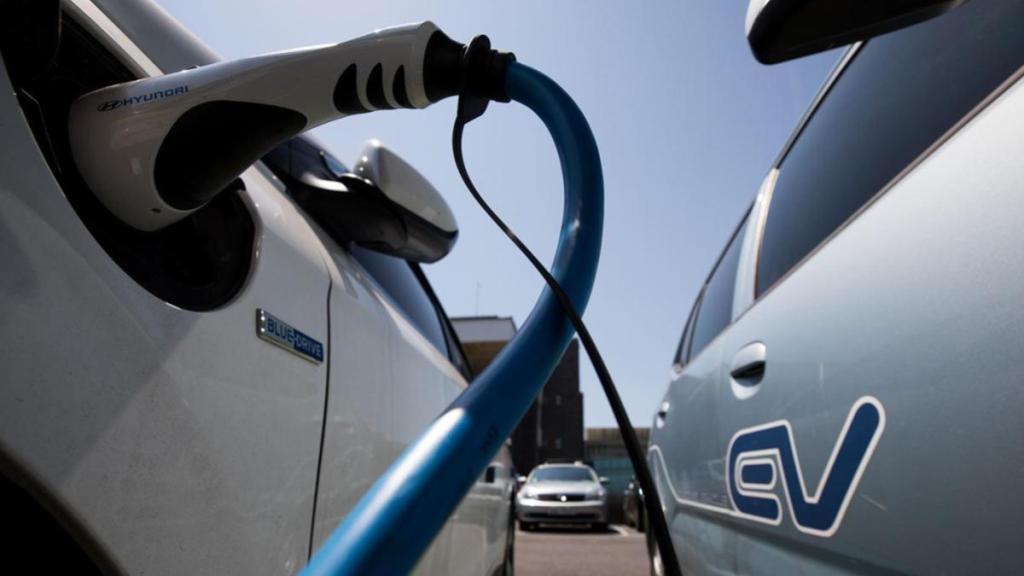
BEVs are 100% electric cars with no petrol engine; HEVs have a petrol engine and self-charge on the go, but cannot be plugged in; and PHEVs are plug-in hybrids that sit in the middle — they have a petrol engine and a big battery that you can plug into a charger for short, daily commutes.
Bridging the Charging Chasm
“Carmakers are increasingly betting on the full hybrid spectrum – mild hybrids, strong hybrids, PHEVs, as well as range extenders,” Gaurav Vangaal, associate director, light vehicle forecasting, S&P Global Mobility, told FE. “Consumer traction is likely to build faster here than in the pure EV, or BEV space, simply because these powertrains address the two biggest pain points for customers: dependency on public charging stations and range anxiety.”
To capture this traction, market leaders Maruti Suzuki and Toyota are quietly working on localised range extenders (series hybrids) for their upcoming mass-market cars. Unlike traditional hybrids, these vehicles use a small petrol engine as an onboard generator to charge a battery pack, which then powers the wheels, giving the driver an EV experience without ever needing to plug into a charging station.
Likewise, PHEVs also address the two customer pain points because they have both an internal combustion engine and a large battery pack. The upcoming S-Class PHEV, for instance, can be driven 100 km on the EV mode – taking care of city driving needs – and if you want to do a highway or intercity road trip, the car uses both ICE and EV modes.
40% Tax Penalty
The technology isn’t new to India, but its commercial viability is. Toyota Kirloskar Motor has long kept a second-generation Prius PHEV at its manufacturing plant near Bengaluru strictly for internal research and testing purposes. An auto analyst said while internal testing has proven the Prius PHEV can deliver sportscar-like initial acceleration alongside silent, EV-like urban commuting, Toyota never launched it commercially.
“The upfront engineering costs of packing two powertrains into one car made the business risk too high for a value-conscious market,” he said. “Especially considering that the Prius PHEV, if launched, would attract 40% GST, even though almost 100% of the time it can be driven like an EV that attracts just 5% GST. The engine, which is basically there for emergency or occasional long trips, attracts huge penalty.”
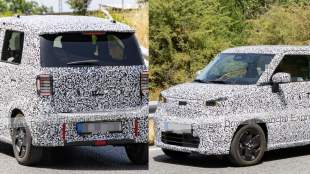
But carmakers are now taking that gamble. After BYD and Mercedes-Benz, JSW MG Motor is also charting a path to skip standard hybrids (HEVs), and develop a PHEV designed to bring the technology downstream to everyday buyers.