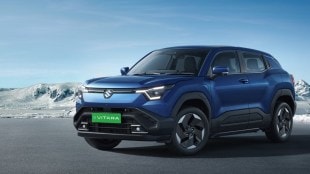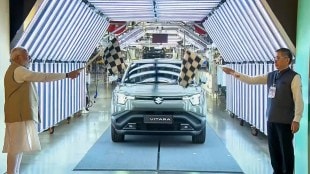
Maruti Suzuki India Ltd has announced a second price hike in 2026, increasing prices of its vehicles by up to Rs 30,000 from August, citing sustained inflationary pressures and a challenging cost environment. The country’s largest carmaker by volume had last raised prices by up to Rs 30,000 in June.
“The company has decided to increase the prices of its models across its portfolio by up to Rs 30,000. This increase in prices would come into effect in August 2026,” Maruti Suzuki said in a regulatory filing.
The exact quantum of the increase will vary across models and variants.
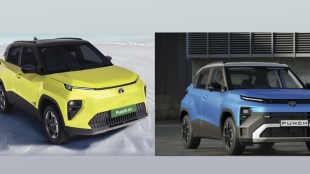
The latest revision also makes Maruti Suzuki the latest automaker to take a second price hike this year as rising input costs continue to weigh on manufacturers. Tata Motors, Mahindra & Mahindra, Hyundai Motor India, Kia India and JSW MG Motor India have all announced multiple price increases in 2026 to offset higher commodity and operating costs. In the luxury segment, Mercedes-Benz India has raised prices twice this year, while BMW Group India has implemented three revisions.
Maruti Suzuki said it has been making continuous efforts over the past few months to mitigate the impact of rising costs through cost-reduction measures.
However, with inflationary pressures remaining elevated and the adverse cost environment persisting, the company said it has been compelled to pass on a part of the increased costs to customers while keeping the impact to the minimum extent possible.
Maruti Suzuki had announced its first price hike of 2026 on May 21 of upto Rs 30,000.
Before that, it had last increased vehicle prices in April 2025, with hikes of up to Rs 62,000 across models.
The automaker typically revises prices at the beginning of every calendar year.
The company currently sells vehicles ranging from the entry-level S-Presso to the premium Invicto MPV, priced between Rs 3.49 lakh and Rs 28.7 lakh (ex-showroom).
Earlier this month, Mahindra & Mahindra announced an average price increase of 2.7% across its SUV portfolio with effect from July 10, following an earlier hike of up to 2.5% in April.
Tata Motors Passenger Vehicles also increased prices of its passenger vehicle range, including internal combustion engine (ICE) and electric vehicles (EVs), by up to 1.5% from July 1. This followed a 0.5% increase in prices of its ICE passenger vehicle portfolio from April 1.
Hyundai Motor India implemented a weighted average price increase of 0.6% across its model range from January 1 due to rising costs of precious metals and raw materials. The company subsequently announced a second price increase of up to 1%, or up to Rs 12,800 depending on the model and variant, in late May and early June, citing higher commodity prices and operating expenses.
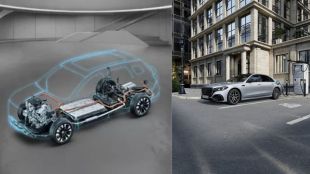
In the luxury segment, Mercedes-Benz India revised prices by up to 2-3% in January and by around 2% in April. BMW Group India implemented three price hikes in 2026—up to 3% in January, up to 2% in April and a further increase of up to 2% across the BMW and MINI range in July.
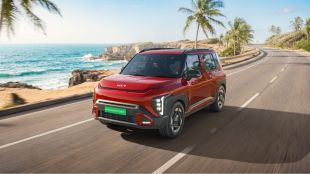
Among other automakers, Kia India has announced a price increase of up to 2% across its portfolio from July 1, while JSW MG Motor India has raised prices by up to 3% from the same date.