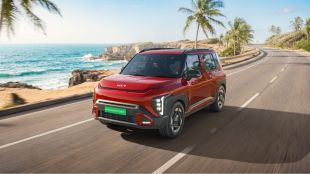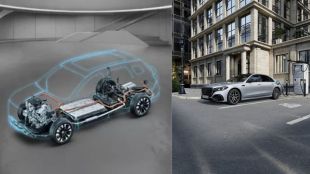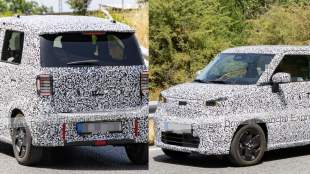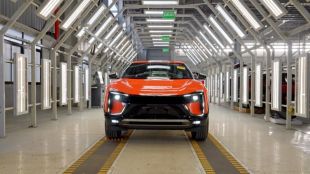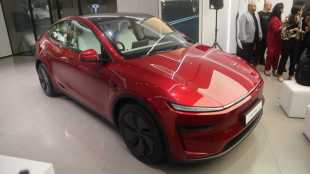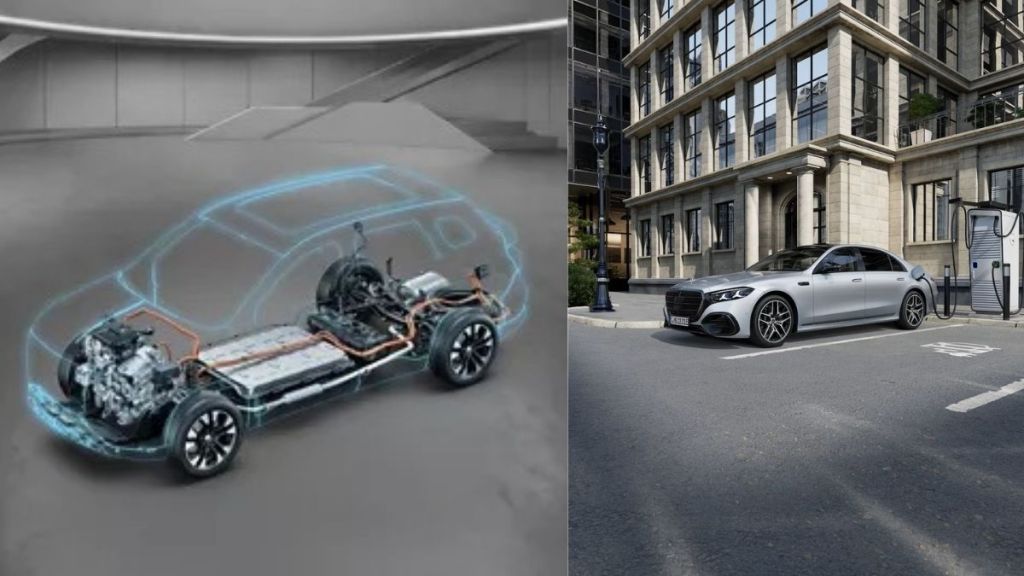
Carmakers are shifting focus from an electric-only approach to electric-first, and this week’s ADAPT display by JSW MG was an example. Short for Advance Drive Architecture Platform Technology, ADAPT is claimed to be India’s first platform that supports four electrified powertrains on one framework: battery electric vehicles (BEVs), hybrid electric vehicles (HEVs), plug-in hybrid electric vehicles (PHEVs), and range extender electric vehicles (REEVs). Let’s explain each:
BEVs: These are traditional electric cars powered by a battery that needs to charged from an external source, such as a plug. The bigger the battery, the longer is the range, but it also increases the price of the car, as well as weight. Battery size and prices range from the MG Comet (17.3 kWh; Rs 7.63 lakh) to Mercedes-Benz EQS 450 SUV (122 kWh; Rs 1.33 crore).
HEVs: These cars have a small battery (1-2 kWh) and a petrol engine, which powers the wheels and also charges the battery. Once charged fully, the battery powers the wheels via a motor for a couple of kilometres, and then the cycle repeats. This leads to extremely good fuel efficiency – cars such as the Honda City e:HEV and Toyota Hyryder hybrid, priced in the Rs 15-20 lakh range, have a fuel efficiency of 27-28 km/litre.
PHEVs: These have a bigger battery (20 kWh and more) as well as a petrol engine. For city driving, these cars can be plugged into a power source and driven in an electric-only mode for about 100 km. On highways, the petrol engine takes over. Soon, India will get cars like the Mercedes-Benz S-Class PHEV and BYD Seal U PHEV.
REEVs: There aren’t any REEVs on sale yet, but Maruti Suzuki, MG, and others are planning to launch. In these cars, the petrol engine acts as an onboard generator, which chargers the battery, which moves the wheels – these function exactly like BEVs.