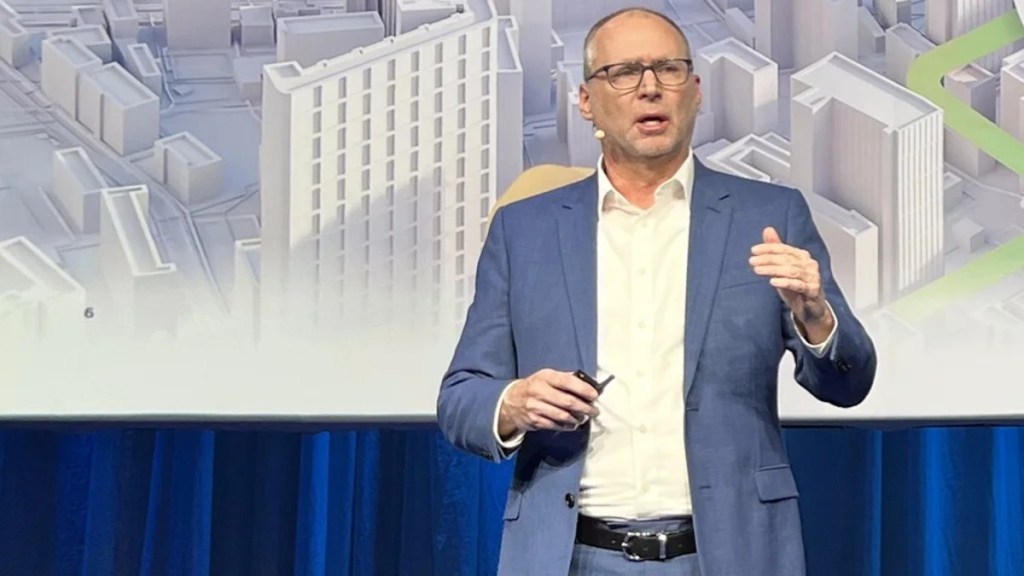
As the race for autonomous driving enters a decisive phase in 2026, Mike Nefkens, CEO of HERE Technologies, believes the finish line is coming into view. In a conversation with FE’s Vikram Chaudhary, Nefkens analysed the global landscape, suggesting that while the technology exists, the victory will go to the nation/company that can best balance innovation with regulatory speed and cost-efficiency.
According to Nefkens, that nation is likely to be China.
Why China leads
While fully self-driving cars (Level 3 and beyond) are already a technical reality, Nefkens pointed out that ‘fully’ launching them to the masses remains a hurdle. High-end sensors can add a staggering $40,000 to a vehicle’s price tag, and navigating public road permissions is a legal minefield.
“Taken all into consideration – technology, pricing, and regulatory permissions – I believe the Chinese will be the first to crack the autonomous car code,” Nefkens said. His confidence stems from HERE’s direct collaboration with the Chinese mapping ecosystem and domestic carmakers. China’s aggressive pursuit of software-defined vehicles (SDV) has allowed its carmakers to iterate faster than almost any other region.
Global contenders
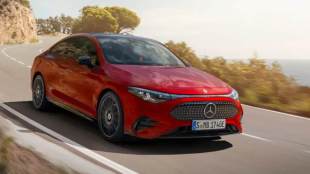
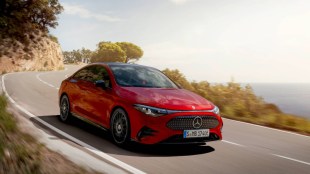
If China is the frontrunner, the Europeans – specifically the Germans – are a close second. Nefkens highlighted Mercedes-Benz as a pioneer that has already “done it.”
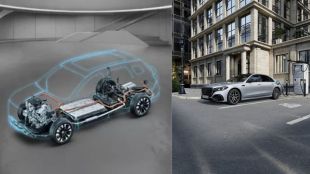
“The Mercedes-Benz Drive Pilot Level 3 system is already operational in Germany and select US states (including California and Nevada),” he said. “It allows drivers to legally take their eyes off the road for activities like watching movies or checking emails under specific conditions.”
He, however, added that Mercedes-Benz and its peers, the challenge isn’t the ‘how’ but the ‘how much’. “Bringing down the cost of the hundreds of sensors required for safe Level 3 operation is the primary focus for European OEMs,” he said.
Fast followers and tech giants
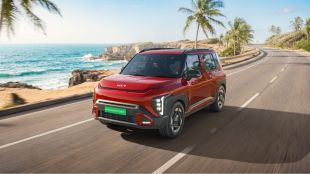
The rest of the global stage is populated by specialised players and fast followers. As far as South Korea is concerned, Nefkens praised the progress of its carmakers, including Hyundai, which is already operating Ioniq 5 Robotaxis in global markets, and Kia, which possesses robust autonomous tech.
“I would never count out the Japanese,” Nefkens remarked. He described them as “fast followers” who may not always be the first to market, but will implement the technology with unmatched precision once they do.
The US market is defined by a multiangled approach. Ford’s BlueCruise has become one of the most widely available hands-free systems, while General Motors is balancing consumer tech (Super Cruise) with commercial robotaxis (Cruise LLC).
The shadow of Big Tech
Finally, Nefkens reminded the industry not to overlook the Silicon Valley giants. Companies like Alphabet’s Waymo and Amazon’s Zoox are shifting the model from personal ownership to autonomous-as-a-service. At CES 2026, there was a turning point, as Amazon’s Zoox self-driving cars would begin charging for rides in Las Vegas and San Francisco this year.
“Everybody is coming at self-driving cars from a little bit different angle,” Nefkens concluded, “but right now, the Chinese and the Germans are the closest.”