


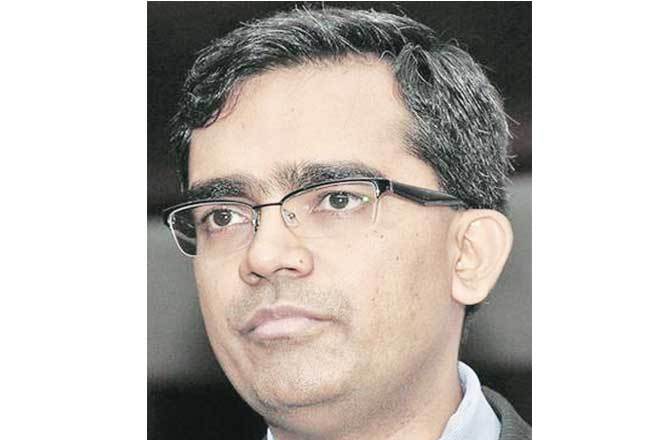

Axis Bank, which reported a decline in the year-on-year net profit on Tuesday, is confident of a turnaround in the next quarter. Jairam Sridharan, CFO, Axis Bank, told reporters that the bank might consider reducing its credit cost guidance if the situation remains the same in the next quarter. Edited Excerpts:
Credit cost has increased in this quarter, from 1.73% in the previous quarter. Are you worried?
The fourth quarter is seasonally high in terms of recoveries and upgrades, and hence credit cost always tends to be lower. So, the seasonality pattern is what is playing out between Q4 and Q1, and I am unperturbed about the sequential direction of credit cost. The annualised credit cost stood at 1.95% in the June quarter, lower than the peak levels last year, and well within the 1.75% to 2.25% guidance shared at the beginning of the fiscal. We did think about cutting our credit cost guidance, but we will wait for more information, and if we have another quarter of similar developments, we will consider it.
Will slippages from non-watchlist be higher than slippages in the watchlist accounts?
When we created the watchlist in March 2016, the amount stood at Rs 22,000 crore. The amount of slippages that we have seen from then to now in the corporate sector — about 80% of the slippages have come from the watchlist. That was the purpose of the watchlist — to create a list from where the bulk of the slippages over the next quarters would come. Now, when the watchlist has become a fairly small entity, you are not likely to see as much slippage come from this as from the outside the watchlist. As on June 30, 2017, loans outstanding on the bank’s watchlist declined 16% over the previous quarter to Rs 7,941 crore.
Is retail driver of growth for your bank?
The retailisation continues to drive our financial performance. Retail advances grew 22% on a y-o-y basis. The share of retail advances in the overall loan mix has been steadily growing over the last few years and stands at 46% at the end of Q1. Also, the retail book has become more diversified over time. Home loans as a share of the overall retail book has steadily come down from 54% at the end of FY13 to 44% at the end of Q1 FY18. The share of personal loans, credit cards and auto loans have inched up.