



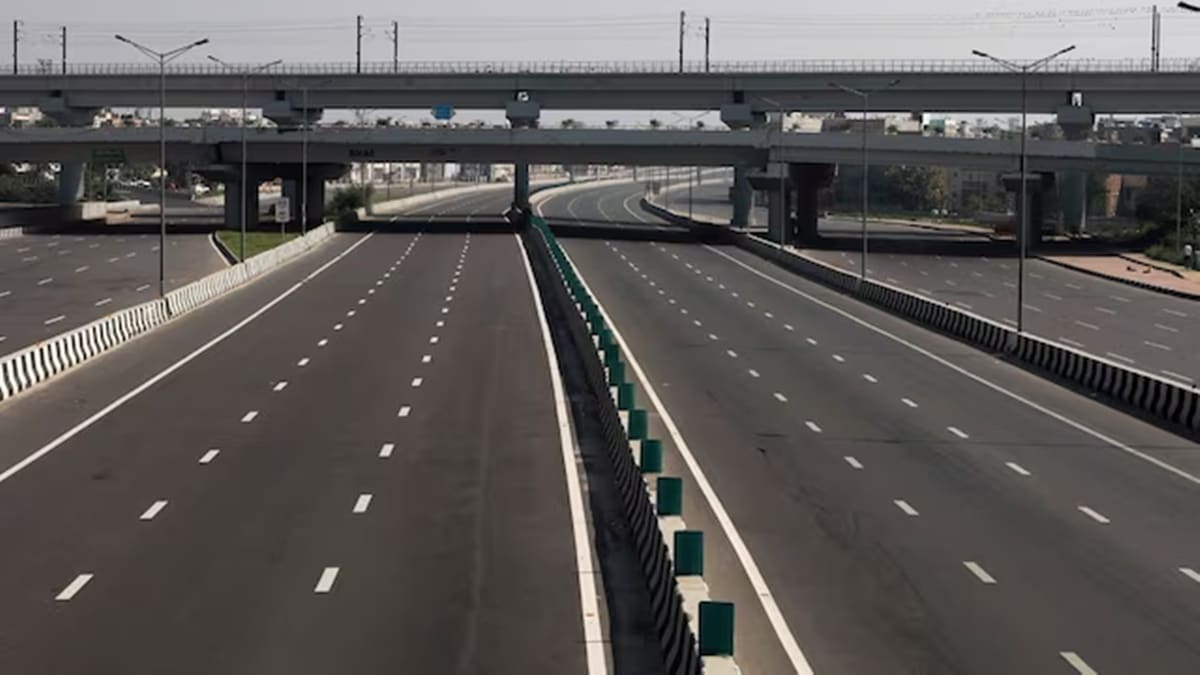
Travelling between Delhi and Dehradun is about to get much faster and easier for many commuters. The journey which currently takes around 6.5 hours will soon be reduced to just 2.5 hours, as Prime Minister Narendra Modi is set to inaugurate the Delhi–Dehradun Expressway on 14 April. Once the expressway becomes operational, it will also help in reducing the traffic congestion in the National Capital Territory (NCT) of Delhi by easing congestion on the Delhi–Meerut Expressway and other connecting roads. Find out all the details related to Delhi-Dehradun Expressway here.
Delhi–Dehradun Expressway – Inauguration Date
The Delhi–Dehradun Expressway is scheduled to be inaugurated by Prime Minister Narendra Modi on April 14. An official from National Highways Authority of India (NHAI) reported to Indian Express and confirmed that the expressway will be launched on the same date.
Distance between Delhi and Dehradun reduced: Big Relief for Commuters
The new expressway will shorten the distance between the two cities from 235 km to 210 km which will reduce the overall time travel and provide a major relief to commuters travelling between Delhi and Dehradun. The expressway will begin near Akshardham Temple in Delhi and pass through key towns in Uttar Pradesh, including Baghpat, Baraut, Muzaffarnagar, Shamli, and Saharanpur, before ending in Dehradun.
Delhi–Dehradun Expressway: Enhanced Regional Connectivity
The new expressway will not only just reduce travel time but will also enhance regional connectivity. The Delhi–Dehradun Expressway includes a spur towards Haridwar and connects to the Char Dham Highway which will make it easier to reach famous religious sites and mountain towns in Uttarakhand and Uttar Pradesh.
Know more about the Expressway : Project Cost and Infrastructure
The Delhi -Dehruadun Expressway is built at an estimated cost of around ₹12,000 crore. The six-lane expressway is equipped with modern infrastructure. It features ten interchanges, three railway overbridges, 4 major bridges, and 14 wayside amenities which will ensure safety, convenience, and seamless travel.The entire corridor is designed for driving with a minimum 100 Kmph speed.