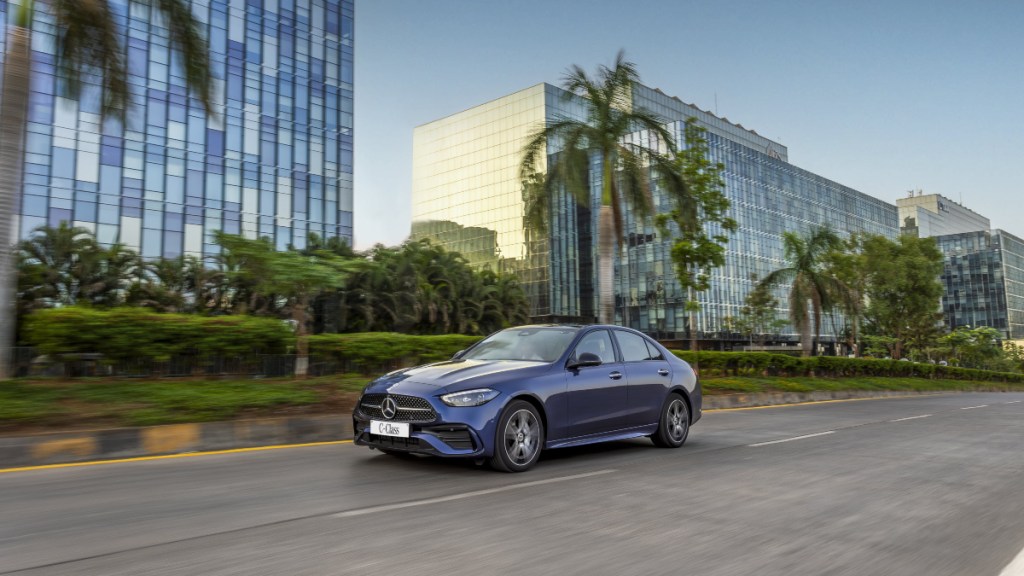
The Supreme Court of India recently upheld the rulings of the National Consumer Disputes Redressal Commission (NCDRC) in two separate cases involving defective luxury cars purchased from Mercedes-Benz. These rulings serve as a significant victory for consumer rights in India, highlighting that even high-end car manufacturers are not exempt from adhering to consumer protection laws.
Faulty heating system, airbag deployment issues raised
In the first case, the NCDRC had ruled in favour of a consumer who had faced persistent problems with the heating system in their Mercedes-Benz car. The court had directed Mercedes-Benz to compensate the consumer for the inconvenience and mental agony caused by the defective heating system. The Supreme Court, in its judgement, upheld this decision, emphasising that the purchase of a luxury car does not negate the consumer’s right to expect a functioning product.
The second case involved a more serious issue, where the airbags in a Mercedes-Benz car failed to deploy during an accident. The NCDRC ruled that Mercedes-Benz had not adequately informed the consumer about the conditions under which the airbags would deploy. This lack of transparency, the commission argued, had put the consumer at risk. The Supreme Court concurred with the NCDRC’s reasoning and upheld the compensation awarded to the consumer.
These judgments by the NCDRC and the Supreme Court are a welcome development for Indian consumers. They set a strong precedent that luxury car manufacturers are subject to the same consumer protection laws as any other car manufacturer. Consumers who purchase luxury cars have the right to expect a high-quality product that meets safety standards and functions as advertised. If a luxury car falls short of these expectations, consumers now have a stronger legal recourse to seek compensation for damages or inconvenience caused by the defects.
It is important to note that these cases do not suggest that every complaint against a luxury car manufacturer will be successful. However, they do establish that consumers have rights and that they can seek legal recourse if they believe that a luxury car manufacturer has sold them a defective product. This can empower consumers to be more assertive when dealing with luxury car dealerships and manufacturers, and to hold them accountable for any shortcomings in their products.
In conclusion, the Supreme Court’s judgements in these two cases serve as a significant reinforcement of consumer rights in India. They clarify that luxury car manufacturers are not above the law and that consumers have the right to expect a well-functioning and safe product, irrespective of the car’s price tag.