Maruti Suzuki has discontinued the Ignis hatchback, drawing curtains on one of the oldest models in its portfolio since its launch in 2017. The Ignis was among the first products to be retailed through the company’s premium Nexa channel.
Despite its distinctive design, competitive features and capable performance, the Ignis saw muted demand with average yearly sales hovering around 30,000 unit mark throughout its life cycle, partly due to the relatively limited reach of Nexa outlets in its early years. Also, changing consumer preferences have increasingly favoured rugged styling and higher ground clearance where compact SUVs have gained significant traction.
Micro-SUVs
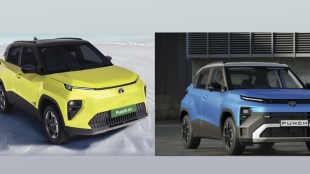
While the company has not officially announced a successor, sources indicate that Maruti Suzuki is evaluating an all-new compact SUV positioned below the Fronx and Brezza to rival the Tata Punch. The upcoming model is expected to adopt a rugged, upright design language and could draw inspiration from the Suzuki Xbee sold in Japan. The new SUV will be part of Maruti’s upcoming SUV onslaught in India that will aim at plugging important product gaps in the brand’s portfolio.
Powertrain options are likely to include a 1.2-litre petrol engine with a factory-fitted CNG variant, along with a heavily localised 1.0-litre turbo-petrol unit. However, the launch timeline for the new model remains uncertain at this stage.
The move also comes as Maruti Suzuki continues to recalibrate production across its facilities in line with shifting demand patterns. The company has been actively investing in capacity expansion to support future growth.
Strategic Capacity Expansion
Last month, Maruti Suzuki announced a capital expenditure of Rs 101,890 million towards a greenfield manufacturing facility in Gujarat. The first phase of this project is expected to have an annual production capacity of 250,000 units. Earlier this year, the company’s board approved the acquisition of land at the Khoraj Industrial Estate in Gujarat, with an investment of Rs 49,600 million earmarked for land purchase, development and related preparatory activities.
Maruti Suzuki’s current installed production capacity stands at around 2.4 million units per annum across its facilities in Gurugram, Manesar, Kharkhoda and Hansalpur, with the ability to scale up to approximately 2.6 million units annually.