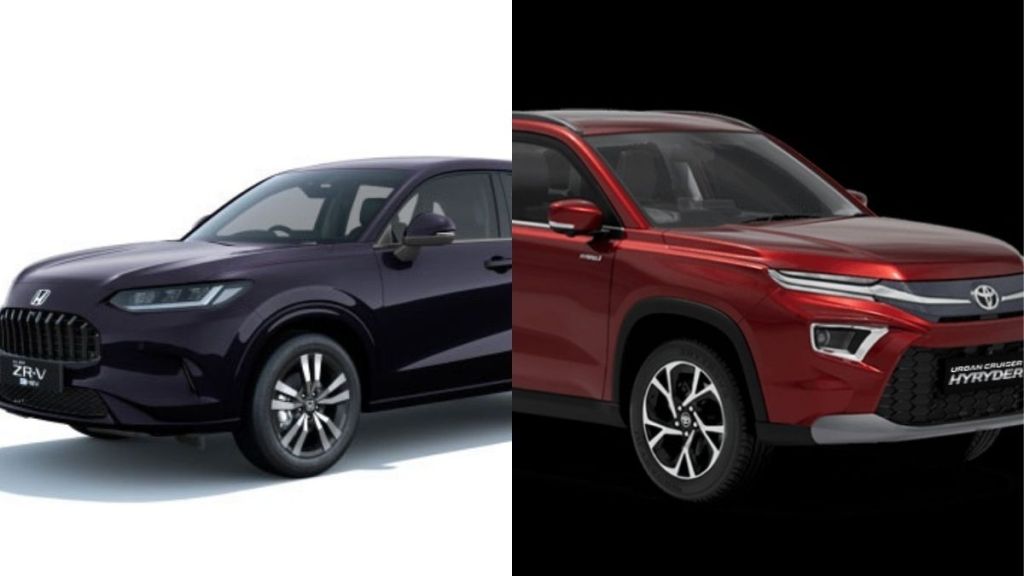
We recently took the new Honda City e:HEV out for a long stint, covering 500 km on just half a tank of fuel, averaging upwards of 25 km/litre – and an impressive 28 km/litre in stop-and-go traffic.
While sparse public charging network on highways can give EV owners range anxiety – worry that the battery will get drained in a remote place – strong hybrids can easily go more than 1,000 km on a tankful. Here’s a list of such cars.
The 1,000-km marathoners
Honda City e:HEV (estimated range of 1,036 km): The City hybrid pairs a 40-litre fuel tank with a claimed efficiency of 27.26 km/litre. Even if 38 litres of that tank is usable, it can go 1,036 km non-stop (27.26 multiplied by 38).
Maruti Suzuki Invicto/Toyota Innova Hycross (estimated range of 1,108 km): These MPVs prove that large family carriers don’t need to be fuel guzzlers. With a claimed efficiency of 22.16 km/litre and a 52-litre tank (assuming 50 litres is usable), they offer an astonishing 1,108 km of cruising.
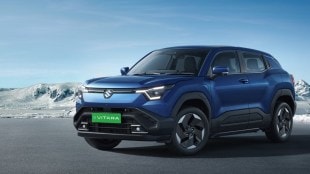
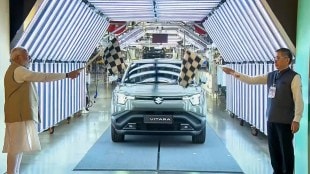
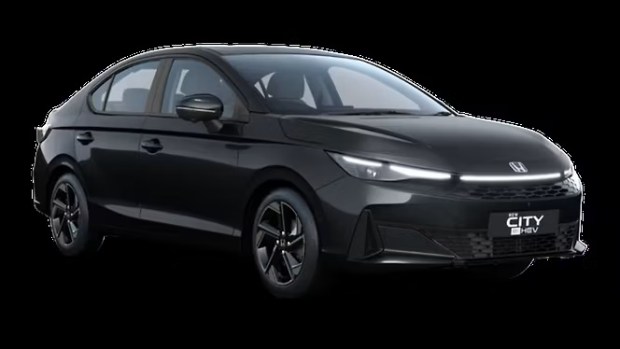
Maruti Suzuki Grand Vitara/Toyota Urban Cruiser Hyryder (estimated range of 1,203 km): With a claimed fuel efficiency of 27.97 km/litre and a 45-litre tank, these midsize SUVs are quite frugal. Utilising 43 litres of usable capacity stretches their range to over 1,200 km.
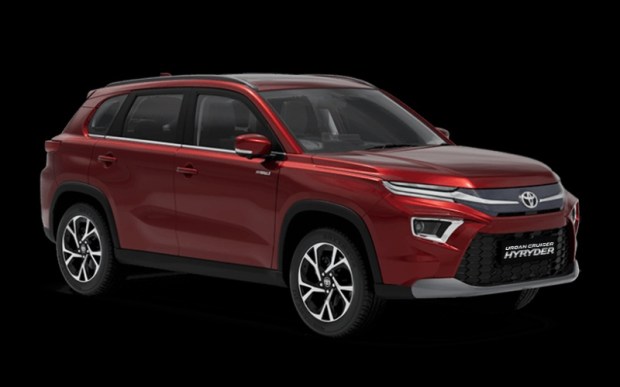
Toyota Camry Hybrid (estimated range of 1,224 km): This luxury sedan combines comfort with economy. It claims 25.49 km/litre from a 50-litre tank. Keep 48 litres as the usable fuel, it can also go more than 1,200 km non-stop.
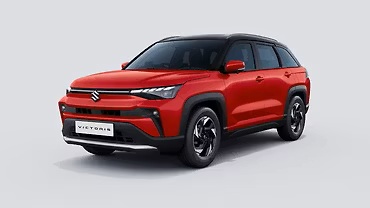
Maruti Suzuki Victoris Hybrid (estimated range of 1,232 km): It’s officially the most fuel-efficient car in India, at 28.65 km/litre, and has a 45-litre tank. Keeping 43 litres as usable, it can go 1,232 km on a tankful.
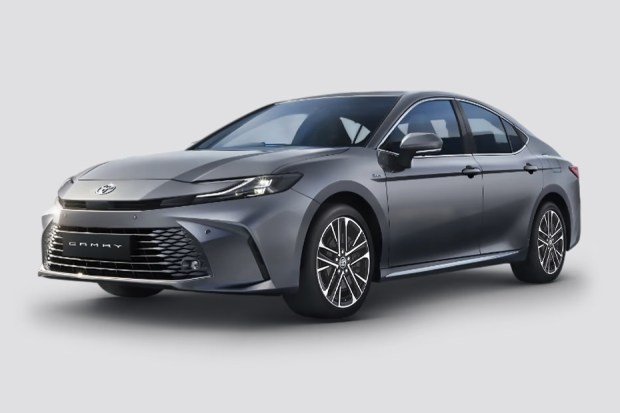
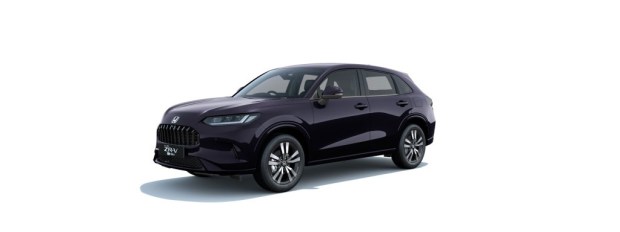
Honda ZR-V (estimated range of 1,254 km): The upcoming ZR-V shifts the focus towards performance – it can accelerate from 0-100 km/h in just 7.9 seconds – and yet it’s a range champion, thanks to its large tank of 57 litres. At a claimed 22.8 km/litre, utilising 55 litres of its tank, yields an easy 1,254 km.
Why hybrids sip less fuel
Silent start: At slow speeds, hybrid cars almost exclusively run on the electric motor, bypassing the most fuel-heavy phase of a petrol engine.
Efficiency and power: If you apply throttle gently, hybrid cars stay on electric-only propulsion depending on the battery charge level, but floor the pedal, and the petrol engine kicks in alongside the electric motor for maximum power.
Battery regeneration: When you apply brakes, regenerative braking acts like a reverse generator, capturing kinetic energy that would otherwise be wasted as heat, and storing it back in the battery.
Intelligent idling: At a complete stop – like on a traffic light – the petrol engine shuts down, and the battery takes over to keep the AC and other electronics running, and there are no unnecessary emissions and fuel wastage.
Note: Range is calculated based on claimed fuel-efficiency figures. In the real world, actual fuel economy and driving range will vary depending on driving styles, traffic conditions, ambient temperature, passenger load, and vehicle maintenance.