



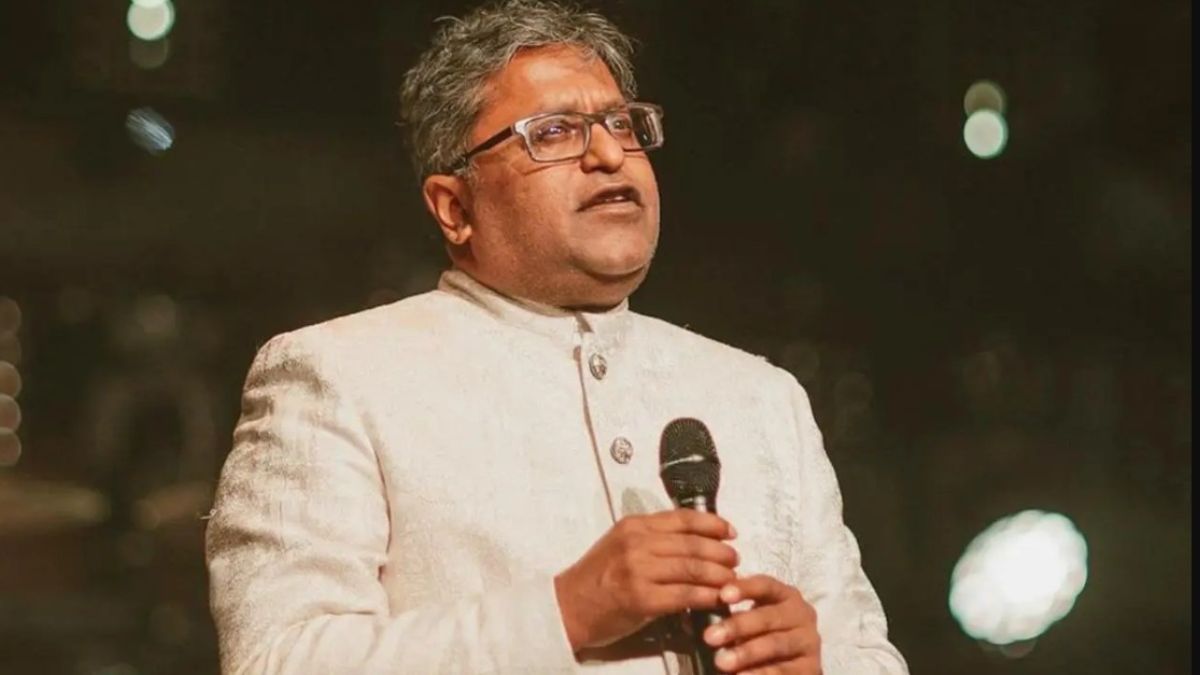
Former Indian Premier League (IPL) chairman Lalit Modi has claimed a major legal victory after the Appellate Tribunal under the Smugglers and Foreign Exchange Manipulators (Forfeiture of Property) Act (SAFEMA) set aside penalties imposed on him in connection with the 2009 IPL season held in South Africa.
The ruling comes after more than 16 years of investigations and litigation surrounding the tournament, which was relocated outside India due to the country’s general elections.
Tribunal rejects ED’s key argument
According to Modi, the tribunal ruled that the foreign remittances related to IPL 2009 were current account transactions rather than capital account transactions, rejecting the Enforcement Directorate’s principal argument under the Foreign Exchange Management Act (FEMA).
Modi also said the tribunal concluded that he was neither responsible for the Board of Control for Cricket in India’s (BCCI) FEMA compliance nor vested with the financial authority alleged by the ED.
The tribunal’s order effectively overturns the penalties imposed on him in the case.
‘I acted in good faith’: Modi
Reacting to the verdict, Modi described the decision as the conclusion of the biggest legal dispute arising from the 2009 IPL.
“This marks the end of what has been the single most significant legal matter arising from the 2009 South Africa IPL,” Modi said in a statement.
He maintained that he had always acted in the interests of Indian cricket and the IPL.
“For over sixteen years, I have consistently maintained one simple position: I acted in good faith, in the best interests of Indian cricket and the IPL, and committed no personal wrongdoing,” he said.
Defends decision to move IPL to South Africa
Modi also defended the controversial decision to shift the 2009 IPL to South Africa, saying it was necessitated by India’s general elections at the time.
“The successful staging of that season ensured that the IPL survived and ultimately became one of the world’s most valuable sporting properties,” he said.
The second edition of the IPL was moved overseas after security agencies indicated they could not provide adequate protection for both the national elections and the tournament simultaneously.
‘Ruling a victory for due process’
Modi said he had cooperated throughout the lengthy legal proceedings and thanked his legal team, family, friends and supporters.
He described the tribunal’s order as being larger than a personal victory.
“This judgment is not simply personal vindication. It reaffirms the importance of due process, objective legal analysis, and the principle that allegations must ultimately be tested against evidence and law,” he said.
“I have always believed that time is the greatest judge. Today, after more than sixteen years, that process has spoken.”
The Enforcement Directorate has not yet publicly responded to Modi’s statement or indicated whether it intends to challenge the tribunal’s order.