



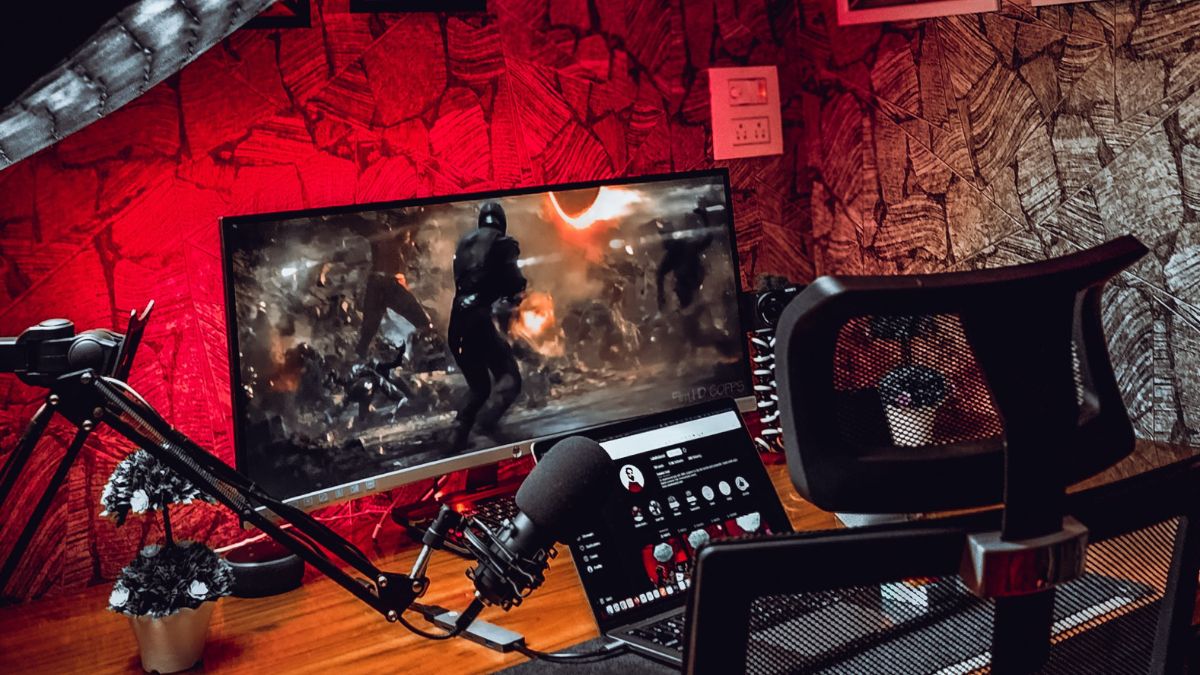
Gaming influencers are no longer in the small leagues. In fact, a large section of e-sports and streaming has become a form of mainstream entertainment. Crossing a global threshold, Indian gamer influencers include Total Gaming, Techno Gamerz, Dynamo, and Mortal.
While they all explore largely internationally created games, their streams attract a large share of Indian audiences. From GTA V to Minecraft and Resident Evil, these games indicate how India’s gaming-creator economy is no longer an alternative – but part of the mainstream entertainment atmosphere.
From Influencer to Gaming Economy
According to Kofluence’s Annual Research Report 2025-26, 66% of India’s gaming audience comes from non-metro cities. Securing partnerships and sponsorships from FMCG, telecom, and consumer electronics, the gaming creators open up an entirely new avenue of the influencer economy. In fact, the gaming industry now contributes 30% of India’s $12.5 billion new media market, projected to reach $9.2 billion by 2029 at 20% CAGR, as per the Lumikai State of India Interactive Media Report 2025.
Speaking to financialexpress.com, Animesh Agarwal, Co-founder and CEO, S8UL, a global gaming club shared, “the growth is not just about audience size anymore, but about infrastructure, perception, and structured pathways coming together,” sharing that the growth will depend on several other factors.
A large section of this audience, however, is predominantly male-driven. Kofluence’s report also revealed that they are a highly engaged audience, displaying large spends in the advertiser-related categories.
Who Rules the Market?
“In the early stages of any entertainment or sports category, you usually see a concentrated core audience, and for gaming in India, that was young males who were early adopters of competitive gaming and streaming culture. That audience played a crucial role in building the ecosystem we have today,” Agarwal remarked. “More female creators are entering the ecosystem, lifestyle and IRL content is merging with gaming, and audiences are engaging with gaming culture beyond just competitive esports,” he added.
To broaden its horizon, Agarwal also rallied for a safer and inclusive space for creators and gamers, across all genders and backgrounds, especially to build from the grassroot level.
In fact, gaming platforms are monetising this genre-based niche and reaching out to users in the tier-2 and tier-3 cities. Multi-region and multi-language – that’s how gaming reaches every city in India.
“Indian gaming was never just a metro phenomenon. Some of the country’s most passionate and talented gamers come from Tier 2 and Tier 3 cities, and honestly, that’s where the real scale of Indian gaming exists today. If you look at many of our creators, athletes, and even community stories, they come from smaller towns where gaming became both entertainment and aspiration,” Agarwal added.
And these talents transform into creators and streamers who are rapidly shaping the gaming culture in India. “Creators have become the bridge between gaming culture and consumer behaviour. Today, audiences don’t just watch creators play games, but also follow their lifestyles, fashion choices, tech preferences, fitness journeys, travel content, and everyday lives. This has opened up clear opportunities for gaming creators to influence real-world purchasing decisions in a measurable way,” the S8UL founder told Financial Express Online.
But how much is India spending?
According to the BCG India Consumer Markets and FICCI-EY India M&E Report 2026, gaming and sports capture a 2-3% share of the annual spends. India invests Rs 90-140 crore, attracting young and digitally-native audiences through gaming and personalities. Growing at a consistent rate, the ARR 2026 Creator Survey also revealed that 7.2% of in-game integrations target the 18-25 segment of young male members in the audience.
In fact, gaming creators like Mortal (Naman Mathur) and Scout (Tanmay Singh) have revealed that their in-game milestones or achievements actually translate into transactions. Their audience engaged with real-world brand offers with in-game branded simulations like Red Bull, Monster, Logitech, Asus, and even Jio. Not just external partnerships with brands, several creators are even facilitated by YouTube with its live merchandise features, among others.
“Over time, we will likely see stronger league systems, more consistent IPs, larger media rights deals, and deeper brand integrations. At the same time, esports will continue to operate a parallel economy,” said Animesh Agarwal in an email interaction.
While online gaming and e-sports may still have a long way to go and may not be a commercial force like the Indian Premier League (IPL), they are still in their.