



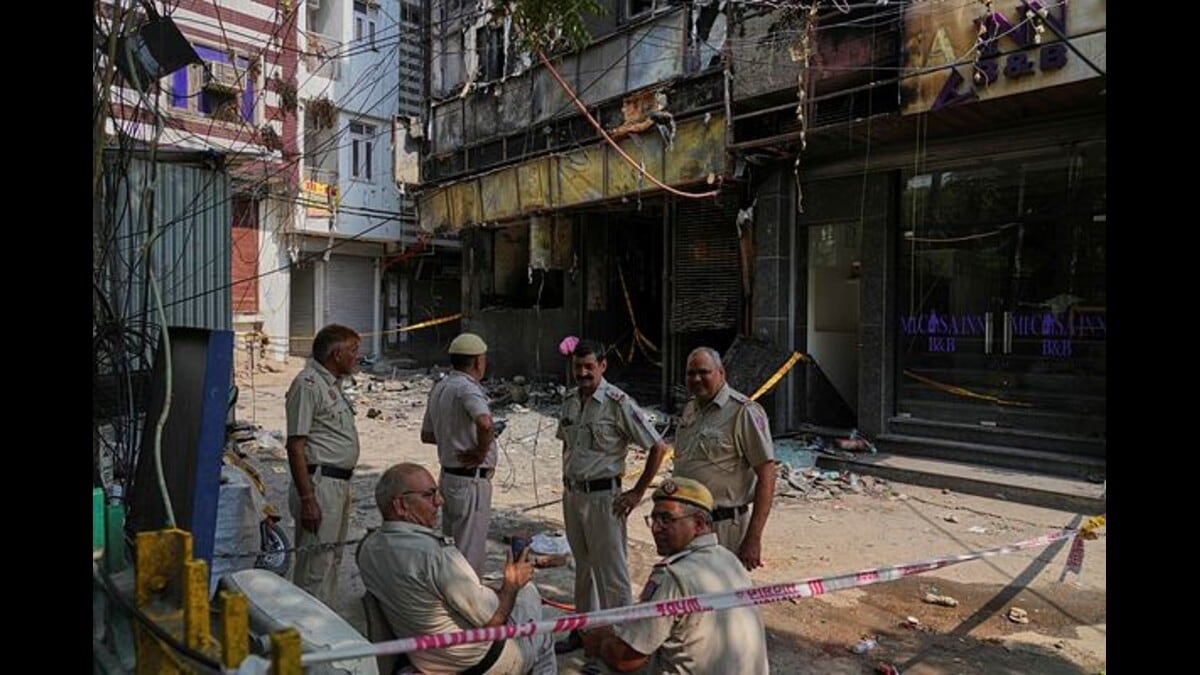
The Delhi government has decided to withdraw its Bed-and-Breakfast (B&B) policy and will review all establishments operating under the scheme after a deadly fire at the Flourish Stay B&B in Malviya Nagar that killed 21 people, Tourism Minister Kapil Mishra said on Thursday (June 4). The move aims to tighten oversight of small lodging providers and clamp down on licence violations, including unauthorised room expansion and lack of mandatory safety clearances.
What is the B&B policy?
The B&B scheme is a government‑run licensing framework that allows homeowners and small operators to run short‑stay accommodation- typically guesthouses, homestays and small hotels- after meeting prescribed norms. In Delhi’s recently proposed version of the policy, properties were classified into ‘Gold’ and ‘Silver’ categories based on room size, furnishings, sanitation, guest amenities and safety arrangements. Licensing under the scheme requires operators to register with the tourism department, maintain records of guests and comply with safety, hygiene and structural norms. As of 2023, the scheme covered more than 2,200 rooms across 432 properties in the national capital.
Malviya Nagar restaurant fire | As per sources, the accused, Lovkesh Bajaj, has told Delhi Police during interrogation that he did not have time to personally manage or oversee the premises. Bajaj claimed he had delegated day-to-day operations of the establishment to another…
— ANI (@ANI) June 4, 2026
Why the policy exists?
- Expand affordable and community-based accommodation options for tourists and business travellers.
- Formalise small lodging providers so they enter the regulated economy, making them eligible for government support, training and safety oversight.
- Encourage tourism spread beyond established hotels, supporting home‑owners and small entrepreneurs.
- Ensure minimum standards of hygiene, safety and consumer protection through licensing and periodic inspections.
What went wrong in the Malviya Nagar fire case?
According to officials, Flourish Stay had a Silver‑category licence issued in 2024 for six rooms, valid until 2027. Investigators allege the property was operating nearly four times its permitted capacity, around 25 rooms, including some in the basement and did not possess mandatory fire safety clearance. Tourism Minister Kapil Mishra said all B&B establishments licensed under the scheme will now be checked and operators violating licence terms will face action. “If any establishment registered under the scheme is found running more than six rooms, its licence will be cancelled,” he told news agency PTI.
Limitations of the tourism department’s role
Kapil Mishra clarified that the tourism department’s mandate is primarily to grant and renew licences and to verify compliance during inspections; it does not manage day‑to‑day operations. “The owners are required to submit guest records to the local police station every 15 days. The tourism department does not have a role in the day‑to‑day functioning of these establishments,” he said. That delineation of responsibilities has raised questions about enforcement and inter-agency coordination, particularly on safety clearances and building usage.
Only last month the tourism department released a draft to revamp the B&B policy, introducing the Gold and Silver categories and tightening classification criteria around room size, sanitation and safety. The sudden decision to withdraw the scheme underscores concerns that revamp measures were insufficiently enforced or that oversight mechanisms failed to detect serious violations at licensed properties.
Calls for systemic enforcement
Urban planning expert Jagdish Mamgain said the Malviya Nagar tragedy and recent building collapses point to systemic weaknesses in monitoring and enforcement. “The latest fire tragedy and the building collapse in Saidulajab point to a larger systemic issue that needs attention,” he said. Mamgain noted the central questions are not merely about the number of permitted rooms, but how commercial activities- especially in basements and other restricted spaces- continued despite licences. “There appears to be a flaw in the system that is directly affecting public safety,” he added.
Eyewitness account highlights safety lapses
A local resident who helped with rescue efforts described harrowing scenes as occupants banged on glass windows and locals hurled bricks to break panes and pull people out. “We laid out mattresses as fast as we could. Some jumped from the third floor, some from the fourth; those people jumped onto the mattresses and were completely safe,” he told news agency ANI. The resident alleged the building had only one main entrance, the roof access was locked and those in the basement mostly died of suffocation.
Operational and legal lapses under investigation
Police sources said the arrested accused, identified as Lovkesh Bajaj, told investigators he had delegated daily management and was not personally overseeing the premises. Investigators allege structural changes and room expansions were carried out without proper clearances and that mandatory fire safety certification was absent. The probe will examine licensing records, compliance history and whether responsible agencies, including local civic bodies and fire authorities, missed red flags.
With the government moving to withdraw the B&B policy, existing licences are likely to be suspended or subject to re‑inspection, and operators will face stricter scrutiny on room counts, fire safety clearances, allowed use of basements and submission of guest records. The tourism department has said it will check all establishments licensed under the scheme and cancel licences of those found in violation. Authorities may also reallocate regulatory responsibilities or tighten coordination between the tourism department, fire services, police and municipal agencies to plug enforcement gaps.
For travellers, the withdrawal could temporarily reduce the availability of small lodging options and create uncertainty for bookings. For legitimate small operators, the review is likely to impose stricter compliance costs but should improve safety standards and public trust in the long run. The move also signals that licence compliance and inter‑agency oversight will be under closer scrutiny following the massive tragedy in the national capital.