



India’s smartphone market posted its sharpest April-June shipment decline in six years, with volumes falling 10% year-on-year as soaring global memory chip prices forced handset makers to raise prices sharply, hurting affordability in the country’s largest smartphone segment despite aggressive financing offers.
The contraction extends a slowdown that began earlier this year, after shipments declined 3% in the January-March quarter. Unlike previous downturns that were driven by inventory corrections or delayed upgrades, the current weakness is being led by a sharp increase in component costs, particularly DRAM and NAND memory, which manufacturers have increasingly passed on to consumers.
According to Counterpoint Research, nearly every major smartphone brand raised prices multiple times during the quarter as memory and other component costs continued to rise. The average smartphone price increased about 15% by the end of the quarter, even as inflation and weak discretionary spending weighed on consumer purchases.
“Persistent increases in memory and other component costs prompted almost every major OEM to implement multiple rounds of price hikes,” Prachir Singh, senior analyst at Counterpoint Research, said.
Skyrocketing Component Costs
The impact was most visible in the mass-market segment. Shipments of smartphones priced below Rs 15,000 plunged 45% year-on-year, making it the worst-performing category. Counterpoint said memory now accounts for more than 45% of the bill of materials in this segment, compared with less than 20% earlier, pushing prices of some models to more than double their original launch price.
At the other end of the market, premium smartphones continued to show resilience. The segment priced above Rs 45,000 remained relatively stable, supported by the growing adoption of equated monthly installments (EMI) and other financing options that reduced the impact of higher prices on buyers.
The quarter also saw the combined market share of Chinese smartphone brands fall to its lowest level for a second calendar quarter since 2020, as vendors increasingly leaned on 4G models to keep entry-level devices affordable while 5G component costs remained elevated.
Brand Volatility
Vivo retained the top spot with a 17.8% market share, though it slipped from 19.2% a year earlier. Samsung remained the only top-two brand to post year-on-year growth, narrowing the gap with Vivo. Oppo held the third position, while Xiaomi, including Poco, and realme recorded declines as repeated price increases weighed on their entry- and mid-range portfolios. Apple’s shipments fell 3%, although demand for the iPhone 17 series remained strong, with supply constraints limiting sales.
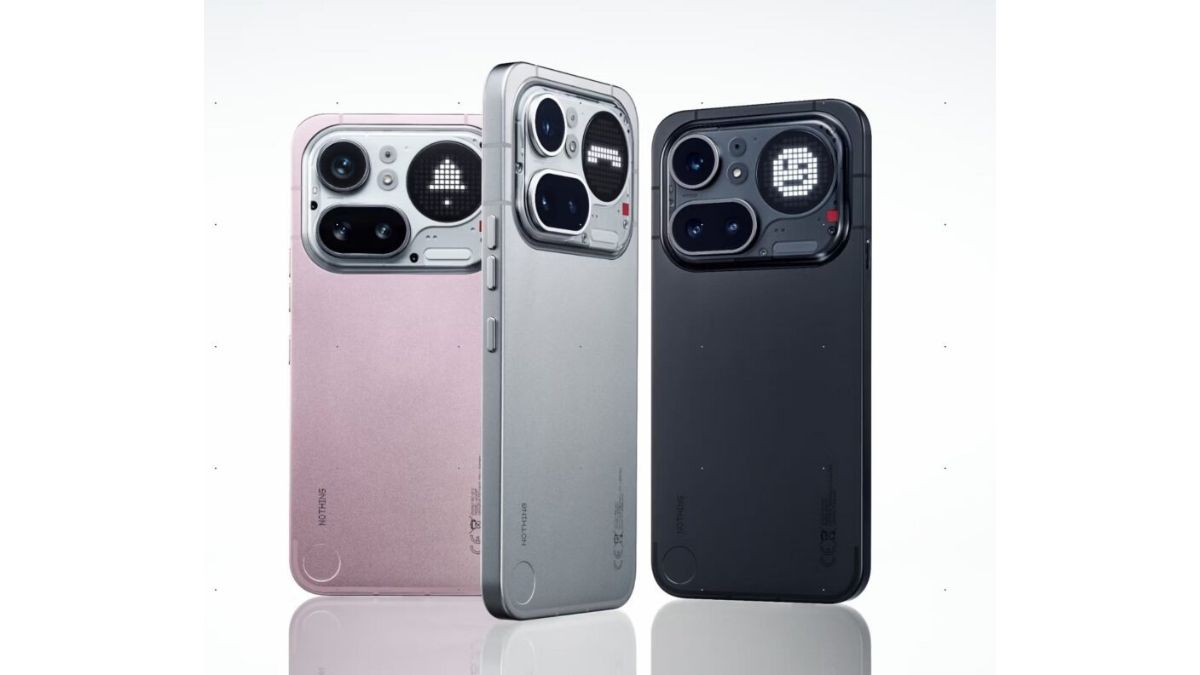
Among smaller brands, Nothing emerged as the fastest-growing smartphone maker with shipments rising 105% year-on-year, while Google Pixel recorded the highest growth in the ultra-premium segment. MediaTek retained leadership in smartphone chipsets with a 49% shipment share, while financing through NBFCs and card EMIs accounted for more than half of all mainline smartphone sales during the quarter.
Counterpoint expects the pressure to persist through the rest of the year. Research Director Tarun Pathak said memory prices have risen nearly fourfold since September 2025 and could increase further in the coming months. The research firm expects India’s smartphone shipments to decline 13% in 2026, with brands relying increasingly on financing schemes, portfolio optimisation and premium devices to sustain demand until component costs begin to ease.