



Fears of automation emptying India’s offices have become a familiar refrain. The image is stark: machines taking over, workers left behind. But this narrative misses a quieter, more consequential shift underway—the creation of new roles as artificial intelligence reshapes the very idea of work.
Experts call this the “job paradox”: technologies built to eliminate tasks may, in fact, generate millions of new jobs globally by 2030. For India, long a hub for back-office services and technology, the real challenge is not resisting AI but adapting to how it is redefining skills and career paths.
For decades, professional training in India prioritised efficiency—processing data, executing repetitive tasks, and following rules. AI now performs many of these functions faster and at scale, raising the bar for what constitutes valuable human work. As routine roles recede, demand is rising in areas machines struggle to replicate: empathy, judgment, and complex decision-making.
The healthcare example
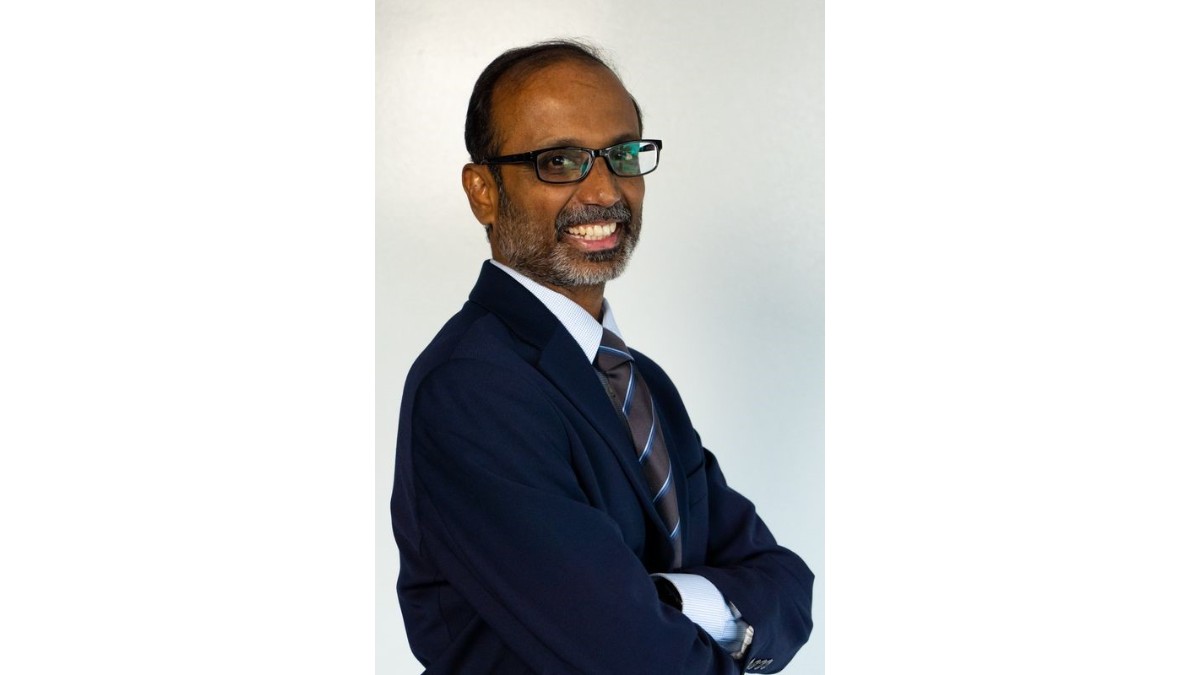
Healthcare offers a telling example. While AI can detect diseases with increasing accuracy, doctors remain indispensable for interpreting results, guiding patients through treatment, and providing emotional reassurance.“AI is not replacing humans; it is clearing the stage for the work only humans can do,” explains Krishna Kumar, Technology Strategist from Austin, Texas, a former executive at IRCTC & Indian Railways.
Kumar, who also worked for HP and is an acclaimed technologist for the State of Mexico, said: “The more we automate, the more we discover what is irreplaceably human.” Three forces are driving this shift. First, accountability: AI cannot be held responsible for errors, ensuring continued demand for human oversight in legal, financial, and compliance roles.
Second, accuracy: AI systems can “hallucinate,” creating a need for bias auditors and data verifiers to safeguard reliability. Third, relationships: in a world saturated with machine-generated content, trust and human connection are becoming premium assets, fuelling what some describe as a growing “concierge economy”.
The nature of work itself is evolving. Professionals are moving from executing tasks to orchestrating AI—guiding tools, interpreting outputs, and making strategic decisions. Skills such as ethical judgment, cultural intelligence, and creative problem-solving are set to define the next generation of jobs. With nearly half of existing skills expected to be disrupted by 2030, reskilling is no longer optional.
The paradox of AI is clear: by automating the routine, it elevates the uniquely human. Rather than hollowing out the workforce, it is creating space for higher-value roles built on insight and empathy. If navigated wisely, India’s job market will not merely withstand the AI wave—it could emerge stronger, with humans firmly in control of the steering wheel.