



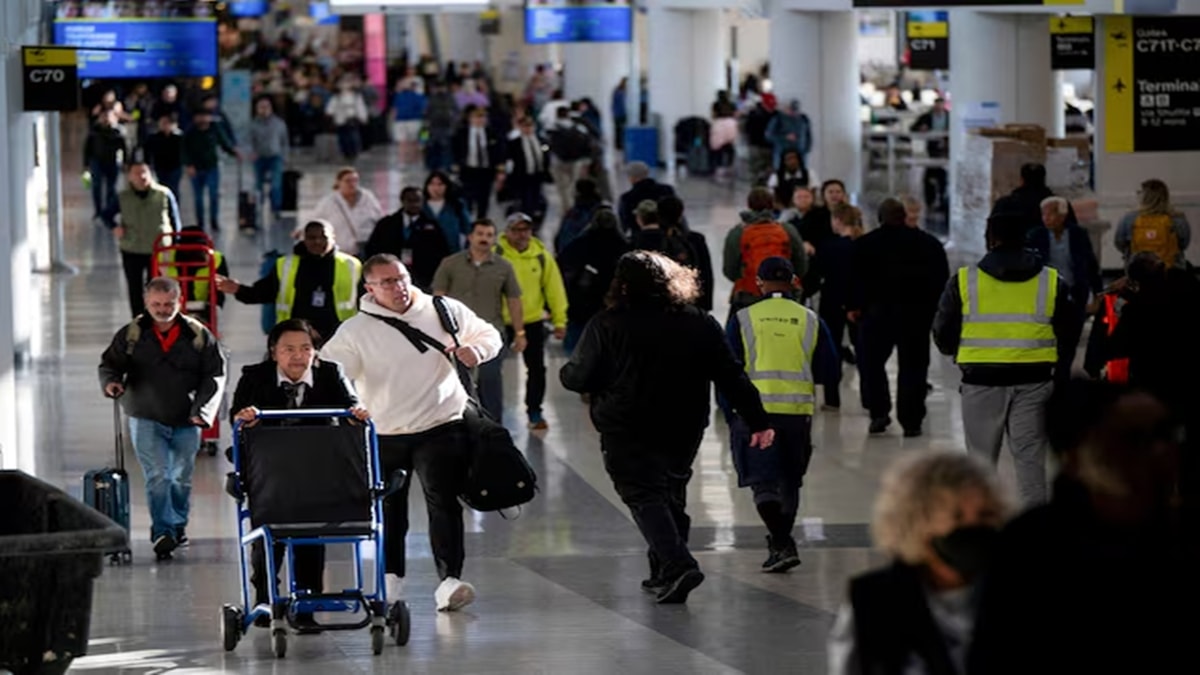
International students, foreign workers, and tourists visiting the United States will be photographed upon their arrival and departure. All immigrants and non-citizens will be photographed when entering and exiting the United States, according to a new plan by US officials.
The Department of Homeland Security has introduced a new regulation on ‘Collection of Biometric Data from Aliens Upon Entry to and Departure from the United States’.
DHS is amending regulations to mandate that all foreigners be photographed upon entry and departure from the US. Failure to comply may result in inadmissibility or violation of alien status terms.
The Department of Homeland Security (DHS) is already tasked with developing an automated entry and exit data system for foreigners entering and leaving the US. But now, the US Department of Homeland Security has proposed a new rule requiring all foreign travelers, including international students, workers and tourists, to be photographed upon entry and exit.
The DHS has authority to control travel and inspect foreigners under the Immigration and Nationality Act of 1952, which may require them to provide biometrics upon entry or departure. However, as of now, there is no comprehensive system in place for collecting biometrics from aliens departing the country.
The requirement of capturing photographs of all foreign travelers will be done irrespective of age or visa classification. Exemptions based on age will continue to apply to biometrics other than facial images.
The DHS advocates for a biometric entry-exit system based on facial comparison, allowing all foreigners to be photographed without exception, to prevent visa fraud and fraudulent use of travel documentation.
The biometric entry-exit system enhances security by confirming alien identification, as CBP uses an automated biographic information-based system to vet and check aliens entering and leaving the US.
CBP uses biometric tests using facial comparison technology to combat passport fraud. While e-passports can help reduce fraud, no biometric information-based system can definitively verify identity. The best tool is to use digital photos in e-passports to biometrically verify the true bearer of a travel document.
The Department of Health (DHS) will launch a 30-day public comment period following the publication of a regulation in the Federal Register on October 27. This rule is proposed to be effective after 60 days from the date of publication in the Federal Register.