



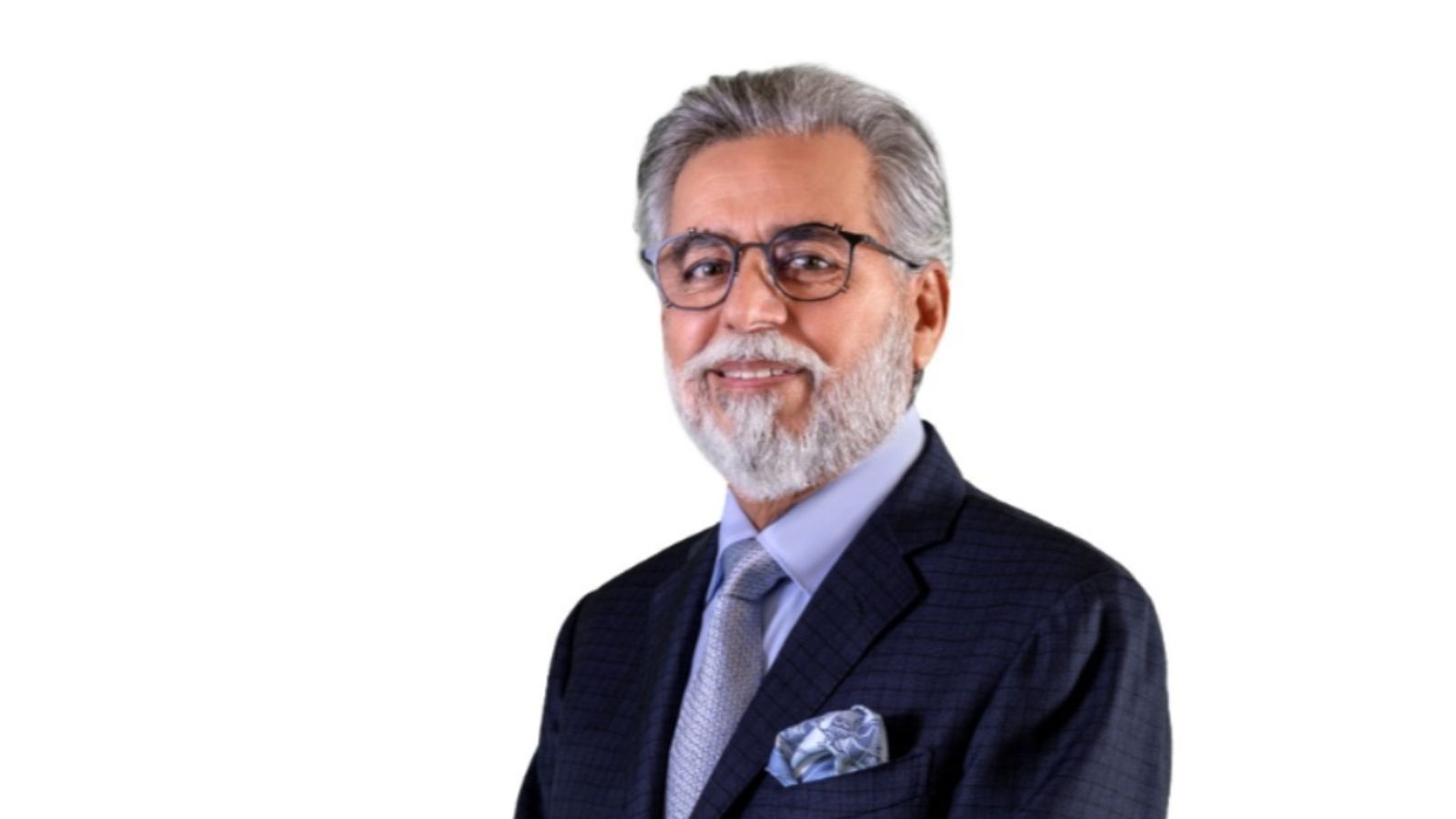
Hero MotoCorp Chairman and Managing Director Pawan Munjal has retained his position as the highest-paid executive in India’s automobile industry for FY26, even when strong business growth led to sharp salary increases for several other industry leaders.
According to the latest executive remuneration data, higher profits and better company performance resulted in bigger commission payouts, boosting compensation across the sector.
Hero posts record revenue and profit
Hero MotoCorp reported its highest-ever annual revenue of ₹46,830 crore and profit after tax of ₹5,268 crore in FY26. During the year, the company sold 6.47 million motorcycles and scooters, reflecting strong demand across its portfolio.
Pawan Munjal continued to lead the industry’s executive pay rankings in FY26. His remuneration remained the highest among auto company chiefs.
In his message to shareholders in the company’s FY26 Integrated Annual Report, Munjal said Hero MotoCorp is preparing for its next phase of growth by expanding far beyond its traditional commuter motorcycle business.
The company is now focusing on premium motorcycles, electric mobility, artificial intelligence (AI), connected vehicle technologies, software-led mobility solutions and international markets as future growth drivers.
“Our journey began with a singular mission—to democratise mobility for millions. Today, we are evolving into a diversified mobility and technology enterprise,” Munjal said.
Apollo Tyres, TVS Motor and Mahindra leaders see big salary jumps
While Munjal held on to the top spot, the biggest changes came further down the list.
Senior executives at Apollo Tyres, TVS Motor Company and Mahindra & Mahindra received substantial pay hikes during FY26. The increase was largely driven by performance-linked commissions, as strong financial results resulted in higher incentive payouts.
One of the biggest jumps was recorded by Neeraj Kanwar, whose total remuneration almost doubled compared with the previous financial year. The rise in executive compensation comes against the backdrop of a strong year for India’s automobile industry.
Healthy demand, better earnings and improved profitability helped several automakers report robust financial results in FY26.
‘We are not relying only on our legacy’
Munjal said Hero MotoCorp is strengthening its traditional business while preparing for the future of mobility.
“We are not content to rely solely on our legacy,” he said, adding that the company is investing in mobility solutions that are “cleaner, smarter, safer and increasingly connected.”
Looking ahead, he said innovation, sustainability and customer experience will define the company’s future.
“Our aspiration is clear: to build Hero MotoCorp into one of the world’s most trusted, innovative and sustainable mobility companies,” Munjal said.
“The future of mobility is being rewritten, and Hero MotoCorp will continue to help lead that future with confidence, responsibility and purpose.”
AI and connected technology to play a bigger role
Munjal said Hero’s transformation goes well beyond launching electric vehicles.
The company is investing heavily in artificial intelligence, connected vehicle platforms, digital infrastructure, intelligent manufacturing and data-driven decision-making to build the next generation of mobility solutions.
“Through VIDA and Novus, we are building an electric mobility ecosystem designed around real-world usage, intelligent design and connected experiences,” he said.
He added, “We are accelerating investments in artificial intelligence, data-led decision-making, digital infrastructure and emerging technologies that will shape the next generation of mobility experiences.”