



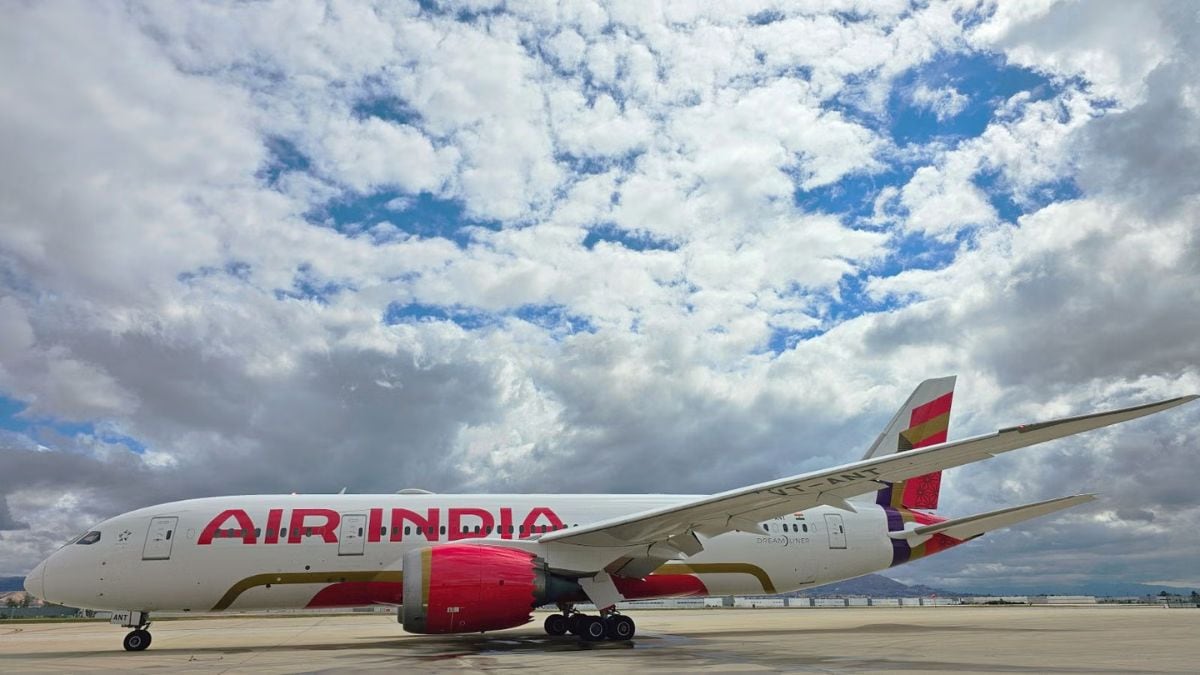
Air India is stepping up investments in agentic AI as it moves into the next phase of its digital transformation, with senior executives indicating that automation at scale is beginning to deliver operational and cost benefits.
In an interaction with Fe, Chief Digital and Technology Officer at Air India, Satya Ramaswamy said the airline is deploying over 30 artificial intelligence-led initiatives across customer service, operations and engineering, as it seeks to deepen digital engagement and reduce manual intervention.
“We want to be the world’s most technologically advanced airline,” Ramaswamy said. “Agentic AI is a very transformative shift as it allows machines to integrate with humans, understand context and act autonomously in ways that were not possible earlier.”
Beyond Chatbots
The airline’s early AI deployments are already showing measurable outcomes. Its generative AI-powered virtual assistant has handled more than 20 million customer queries so far, with 97% resolved without human intervention. Nearly half of all customer interactions are now managed digitally.
“About 50% of customer contact is now handled automatically, which gives us a substantial cost advantage and faster turnaround for customers,” he said.
Air India’s direct digital channels are also seeing increased traction. The airline’s mobile app has crossed 2.7 million downloads and is adding around 10,000 installs a day, while its website sees close to 300,000 daily users. The airline is targeting a higher share of direct bookings over time, with a goal of reaching 50% contribution.
Scaling the Data Backbone
Alongside customer-facing platforms, the airline has built a data backbone to support its AI strategy. It has integrated 45 data sources into a unified platform, comprising more than 800 terabytes of data and 80 million customer profiles. This, Ramaswamy said, enables real-time insights and more personalised service delivery.
The next phase will focus on deploying dedicated AI agents across the ecosystem, including systems for customers, pilots and aircraft. These are expected to autonomously manage tasks such as re-booking during disruptions, monitoring crew compliance and optimising maintenance schedules.
“We are looking at creating an agent for every customer, every pilot and even every aircraft,” he said. “These systems will act proactively, reduce friction and improve overall efficiency.”
Air India had committed about $200 million towards its digital overhaul. The airline expects AI-led efficiencies and incremental revenue gains from these initiatives to start yielding returns within the next year, according to Ramaswamy.