



The country’s aviation market contracted in July 2026, with total scheduled airline capacity declining 4.7% year-on-year to 22.5 million seats from 23.6 million a year earlier, according to data from global aviation analytics firm OAG. The decline was driven largely by sharp capacity cuts by the Air India Group, with Air India and Air India Express together removing more than 1.1 million scheduled seats compared with July 2025.
Domestic scheduled capacity fell 4.6% to 14.9 million seats from 15.6 million a year earlier, while international capacity declined 4.8% to 7.6 million seats from 8 million. Domestic routes accounted for around two-thirds of the country’s total scheduled capacity during the month.
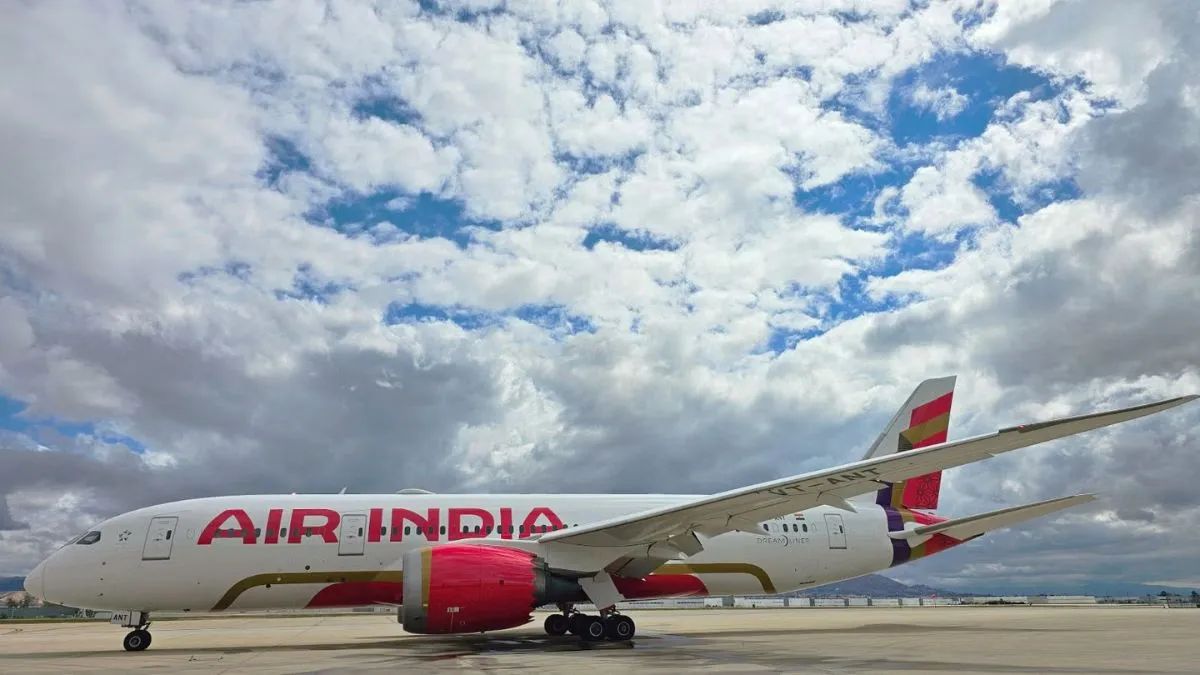
Air India recorded the steepest reduction among major Indian carriers, with scheduled capacity declining 19.2% year-on-year to 2.8 million seats from 3.4 million in July last year. Air India Express also reduced capacity by 16.8% to 2.2 million seats from 2.7 million.
In May, the airline had announced temporary cuts on several international routes between June and August, citing persistent airspace restrictions and record-high jet fuel prices. The reductions come as airlines continue to grapple with the fallout of the Iran-Israel conflict, which disrupted airspace across parts of West Asia, forcing longer flight paths, higher fuel burn and increased operating costs.
Overall, the Air India Group has planned capacity reductions through August, including a 22% cut in domestic operations and a 27% reduction on international routes.
SpiceJet also continued to shrink, with scheduled capacity declining 18.7% year-on-year to 379,898 seats. The reduction follows the airline’s decision to return all 16 wet-leased aircraft after choosing not to extend their lease agreements amid weak seasonal demand, elevated aviation turbine fuel (ATF) prices and rising operating costs. The impact was compounded by around six aircraft remaining grounded for scheduled maintenance.
Market leader IndiGo, however, largely held its ground. The airline’s scheduled capacity slipped marginally by 0.3 per cent year-on-year to 11.58 million seats from 11.62 million in July 2025, allowing it to retain a dominant 51% share of India’s scheduled airline market.
Akasa Air emerged as the only major Indian carrier to expand capacity during the month. The airline increased scheduled seats by 7.4% year-on-year to 880,600 from 820,105, adding nearly 60,000 seats as it continued inducting aircraft and expanding its domestic network.
Last month, the airline also announced plans to increase capacity by 30% during the current financial year.
Despite the overall contraction, the capacity reductions were concentrated among a handful of airlines rather than reflecting a broad-based industry slowdown. Among foreign carriers, Emirates posted marginal growth of 0.6%, while Qatar Airways expanded capacity by 3.5%. Etihad Airways and Singapore Airlines recorded modest declines.