



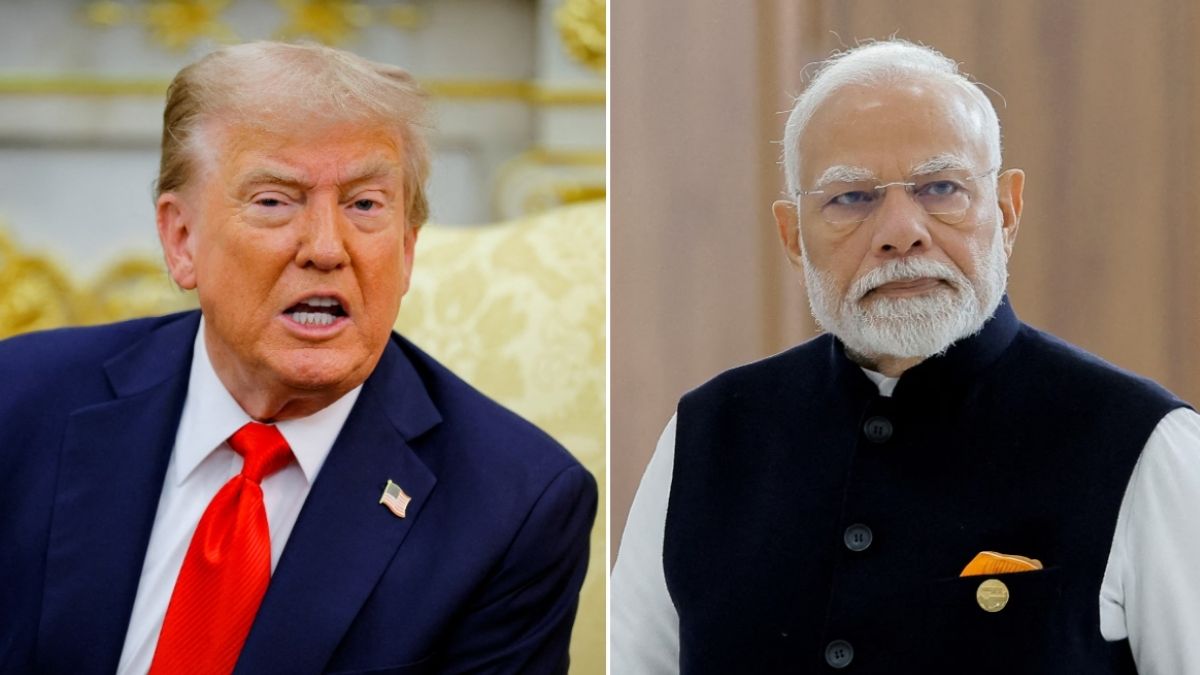
US President Donald Trump is preparing to impose fresh tariffs on dozens of countries, including India, as early as this week, the Financial Times reported. The move comes as Washington’s temporary 10% global tariff is due to expire on Friday (July 24), opening a more consequential phase of the Trump administration’s trade policy just as India and the US near the finish line on a long-pending bilateral trade agreement.
The first round of new duties is likely to stay close to the existing 10% rate, the report said. But the administration is simultaneously building a firmer legal footing, primarily Section 301 of the Trade Act of 1974, that could let it raise tariffs well beyond that level later. This is reportedly being done to reduce the legal risks that undid its earlier “reciprocal tariff” push after the US Supreme Court ruled Trump had exceeded his authority by invoking emergency powers.
Why is Trump preparing another round of tariffs?
The latest proposal follows a legal setback for the administration’s earlier reciprocal tariff policy. A US court ruled that Trump had exceeded his authority by using emergency powers to impose sweeping tariffs on imports from several countries. Although the administration has appealed the ruling, it is also looking for alternative legal routes that could support new trade restrictions.
Officials are considering replacing the temporary global tariff with country-specific duties. Many of the initial tariffs could stay close to 10%, but rates may differ depending on trade negotiations with individual countries, reported Financial Times.
The administration also wants greater flexibility to increase tariff rates later if it believes foreign countries are engaging in unfair trade practices. To achieve that, officials are relying on existing US trade laws instead of emergency powers.
One of the main options under consideration is Section 301 of the Trade Act of 1974. The law allows the US government to impose tariffs on countries that engage in unfair trade practices or harm American businesses. The administration has also launched investigations into issues such as forced labour in supply chains, manufacturing overcapacity and other trade practices that Washington believes distort global competition.
If those investigations conclude that foreign countries have harmed US industries, they could provide the legal basis for tariffs above the temporary 10% level.
As many as 60 countries could face the new tariffs. India, China, European Union members and several Southeast Asian economies are among those that could be affected, reported Financial Times. The final tariff rates, however, are expected to depend on the outcome of ongoing negotiations between the United States and its trading partners.
What could new tariffs mean for India and global trade?
The proposal has added fresh uncertainty for businesses around the world. Companies still do not know which countries will face new tariffs or how high the final duties will be after the temporary global tariff expires.
Higher US tariffs could increase the cost of imported goods, forcing companies to either absorb the additional expense or pass it on to consumers through higher prices. Economists also warn that new duties could disrupt global supply chains, particularly for manufacturers that depend on components sourced from multiple countries, reported Financial Times.
Another concern is the possibility of retaliation. Countries affected by the tariffs could impose their own duties on American goods, leading to another round of trade disputes similar to those seen during Trump’s first term.
India is among the countries closely watching Washington’s next move. New tariffs could affect Indian exports to the United States if products shipped from India become subject to higher import duties, reported Financial Times.
The development also comes as India and the United States continue negotiations on a bilateral trade agreement. Any new tariffs could complicate those talks, depending on which Indian products are targeted and whether the two countries reach an agreement before the new duties take effect.
Businesses, investors and policymakers will closely monitor the White House in the coming days. The temporary 10% tariff expires on Friday, and the administration is expected to announce its next trade measures soon after. The decisions could shape global trade flows, influence investment decisions and affect relations between the United States and several of its largest trading partners.
The administration wants to keep the initial tariffs close to the current 10% level while preserving the option to impose higher duties later through separate legal investigations, reported Financial Times quoting people familiar with the discussion as saying. That approach would allow the White House to maintain pressure on trading partners without relying solely on emergency powers that have already faced legal challenges.