


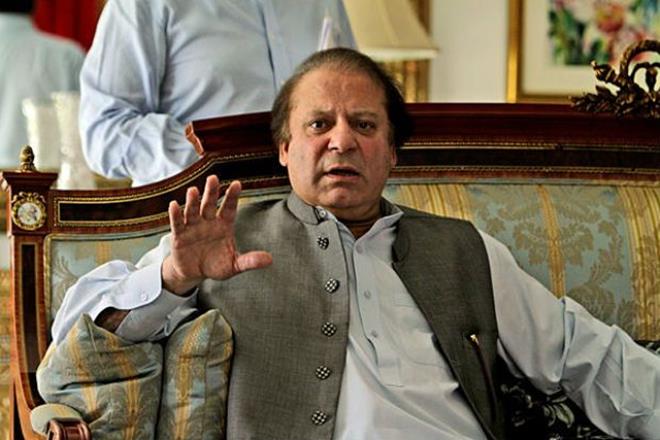

With former Pakistan PM Nawaz Sharif’s sacked from office on corruption charges, a number of reports have emerged showing how his government mishandled the country’s economy. A report published in Pakistani daily, The Tribune, says that Sharif’s government obtained a whopping $35 billion in new loans during his four-year tenure to repay maturing debt. The Pakistani Government did so to keep official foreign currency reserves at a level which could give a sense of economic stability to investors. As per the report, Pakistani government utilised a whopping $17 billion, or say nearly half of the total loans obtained from July 2013 to June 2017, to repay the previous debt. The data was based on a report released by Pakistani Finance Ministry. As per an International Monetary Fund (IMF) report, Pakistan’s total external debt grew by 30% to $79.2 billion from July 2013 to June 2017.
While Nawaz Sharif govt did the work of adding the net $18 billion to the country’s total external debt and liabilities – the highest amount added by any government during its tenure. The IMF report further said that external public debt was about $62.3 billion – also up by 28% compared with the figure four years ago. Another remarkable aspect of Sharif’s government’s economic policy was borrowing of the maximum number of loans taken in a single year – amounting to $10.1 billion.