


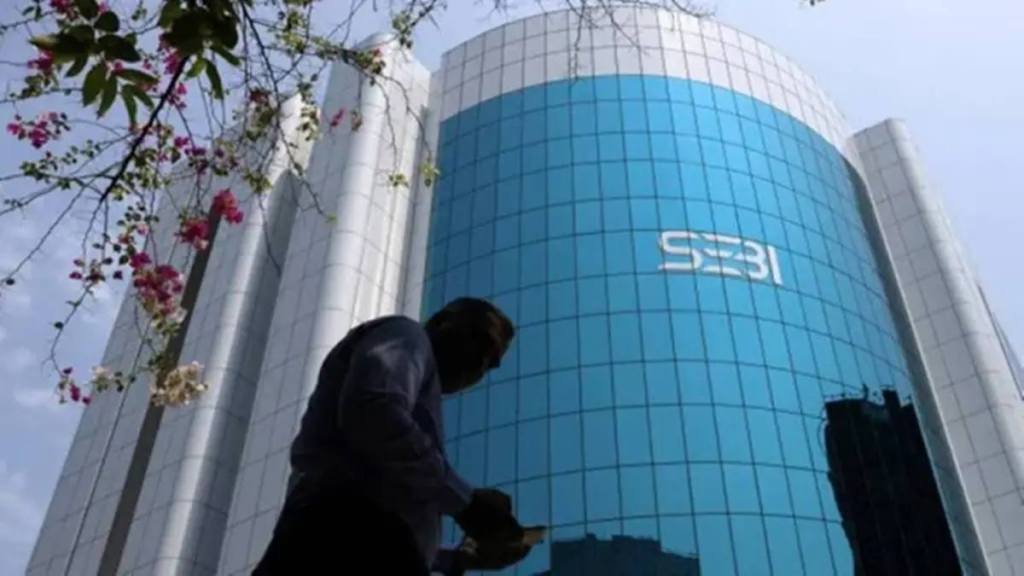

Companies planning to launch initial public offerings (IPOs) have received some relief, with the Securities and Exchange Board of India (SEBI) extending the relaxation that allows issuers to revise the fresh issue component by up to 50% without filing fresh draft offer documents, subject to regulatory compliance. The relaxation will apply to IPOs launched on or before March 31, 2027.
Market experts welcomed the move, saying it would give companies greater flexibility to adjust their fundraising plans in response to volatile market conditions. However, they cautioned that the relaxation would not eliminate uncertainty or guarantee the success of IPOs.
Sandeep Chordia, COO, Kotak Neo, said the extension would allow IPO-bound companies to recalibrate their fresh issue sizes based on market conditions. However, he said the move should be seen as an enabling measure rather than a guarantee of IPO success.
Vaqarjaved Khan, senior fundamental analyst at Angel One, said the relaxation would benefit the existing IPO pipeline. With market volatility affecting investor appetite and valuations, the flexibility would help issuers and merchant bankers price offerings more realistically and improve the chances of deals going through.
However, he cautioned that the move would not prevent all postponements or withdrawals. The final decision would still depend on market conditions, valuations and investor demand.
Nirav Karkera, head of research at W by Groww, said the relaxation would give issuers greater flexibility to respond to changing market conditions compared with the earlier limit of 20%. It would also reduce procedural delays and costs.
Market expert Arun Kejriwal said issuers were already willing to launch their offerings at lower prices amid market uncertainty. This trend was likely to continue despite the relaxation.
While the primary market has remained resilient so far, experts expect a more challenging environment for companies planning IPOs in the remainder of FY27.
Chordia said primary market activity would depend on investor sentiment, valuations and the ability of issuers to price their offerings attractively amid volatility in crude oil prices and bond yields.
Khan expects the primary market to remain active for the rest of FY27, although the pace of issuances and investor response would depend on market conditions.
“Rising crude oil prices and higher US bond yields could put pressure on liquidity and valuations, making investors more selective,” he said.
Companies with strong financials, consistent cash flows and reasonable valuations were likely to attract better demand. In contrast, issuers seeking aggressive valuations could struggle to get their offerings through, particularly if secondary markets remained volatile, he added.
Karkera expects the number of IPOs to remain high in the second half of FY27, although the total amount raised would depend on how many large issues hit the market.
Kejriwal remained optimistic, saying the primary market would continue to be buoyant in the second half unless a major geopolitical event disrupted investor sentiment.