


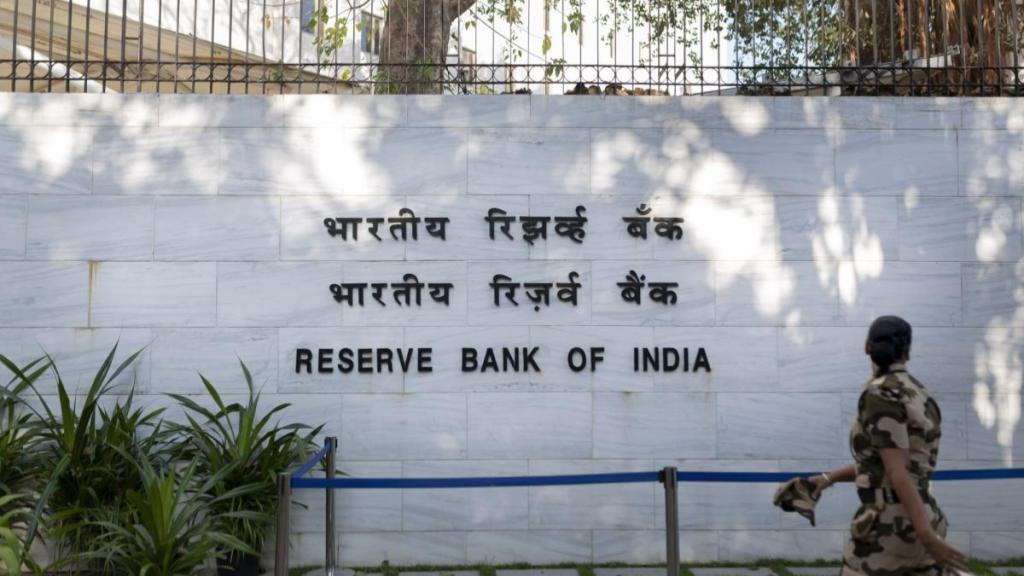

The Reserve Bank of India’s special dollar window for state-run oil marketing companies could shift around $11-12 billion in monthly dollar demand away from the spot foreign-exchange market, easing pressure on the rupee and lowering treasury and hedging costs for Indian Oil, BPCL and HPCL, according to industry experts.
The RBI opened the special window on October 12 to meet the entire daily dollar requirement of IOC, BPCL and HPCL, allowing the companies to buy dollars through designated banks rather than compete for them in the spot market.
The move assumes significance as elevated crude prices are increasing refiners’ recurring dollar requirements. India imported around $165 billion worth of crude last year, equivalent to roughly $13-14 billion a month and $350-450 million a day, according to Manas Majumdar, Partner and Leader, Oil & Gas, Fuels & Resources, PwC India.
“For refiners, the key benefit is certainty in accessing dollars without having to chase the currency in the spot market during volatile periods. It will ease treasury management and reduce hedging and transaction costs, although it does not change the underlying price of crude or remove exchange-rate risk,” a senior refining industry official said on condition of anonymity.
Prashant Vasisht, Senior Vice President and Co Group Head, Corporate Ratings, Icra, said: “Monthly about $11-12 billion dollars forex demand of OMCs is expected to shift away from the forex market, which would reduce pressure on the rupee.”
A stronger rupee can also lower the rupee cost of crude imports. “Two benefits — there would be a more finely negotiated exchange rate and a stronger Rupee leading to a lower import bill (in Rupee terms),” Vasisht said.
At a crude price of $85 a barrel, a 50-paise appreciation in the rupee could lower the overall crude import bill by about Rs 8,000 crore, he added.
Majumdar said routing oil companies’ large and recurring foreign-exchange requirements through the central bank offers scale advantages over each OMC sourcing dollars separately from the spot market.
“This oil dollar demand is only going up as crude prices inch up and this lumpy and recurring demand for dollars is better managed through RBI — volume consolidation and scale benefits — than an individual OMC could do in spot market,” Majumdar said.
He said OMCs would also benefit from easier treasury management, reduced volatility and lower hedging costs. The spread between buying and selling rates is around 0.02-0.03%, he said.
The benefit becomes more significant when crude prices rise. The Indian crude basket had averaged $114.80 a barrel so far in September, increasing the amount of dollars required to pay for imports.
Vivek Iyer, Partner and Financial Services Risk Advisory Leader, Grant Thornton Bharat, however, said the window shifts dollar demand away from the market rather than eliminating it.
“It would be useful to first understand that the window moves almost all PSU oil-company dollar demand off the spot market, which is significant, but it relocates the pressure rather than removing it. The direct benefit to the OMCs comes mainly from a steadier rupee, not from cheaper dollars,” Iyer said.
Unlike the 2013 arrangement, which involved swaps, the current mechanism involves outright dollar sales by the RBI.
“Because these are outright sales, every dollar comes straight out of reserves, so the window works as a bridge, not a lasting fix,” Iyer said.
He added that the mechanism does not change the current account deficit, since the same dollars ultimately leave the country to pay for crude imports. Other sources of demand — including those from private refiners, gold, defence and portfolio outflows — also remain in the spot market.
Majumdar similarly flagged the sustainability issue. “So for short-term this is good but would not be maintained in long-run,” he said, noting that the RBI’s forex reserves are around $730 billion.
The measure, therefore, is expected to have its strongest impact on currency volatility and on preventing a disorderly slide in the rupee, rather than permanently insulating the currency or OMCs from high crude prices.