



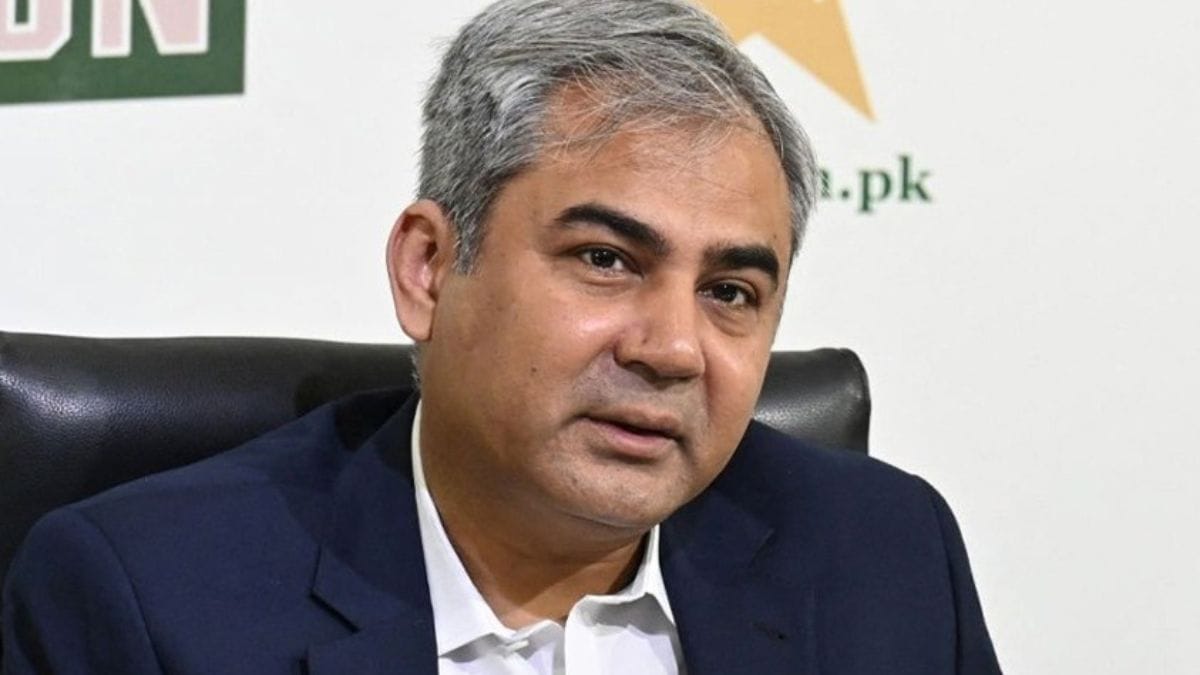
Pakistan Cricket Board (PCB) Chairman Mohsin Naqvi has found himself at the center of a social media firestorm following a series of controversial remarks regarding the ongoing energy crisis in the region.
In a surprising turn of events, Naqvi attempted to deflect domestic criticism over the decision to hold Pakistan Super League (PSL) 2026 matches behind closed doors by claiming that India is currently grappling with a severe oil shortage, a claim that has been widely debunked.
PSL being played inside closed doors
The PSL 2026 season has been marred by the absence of fans in stadiums, a move the PCB initially attributed to high security risks and fuel shortages in Pakistan linked to Middle Eastern tensions.
However, during a media briefing where team owners, including Karachi Kings, requested the return of spectators, Naqvi shifted the narrative.
“We need to understand what the scenario is in the world, the oil crisis,” Naqvi stated. “We have a different stance. There is an oil crisis in India and there are long queues at petrol pumps in India.”
Mohsin Naqvi cancels PSL crowds citing Pakistan's fuel crisis — then claims India has long petrol queues while Pakistan doesn't.
— Gully Point (@gullypoint_) April 14, 2026
The PCB chief just contradicted his own tournament policy in the same breath. That's not strategy — that's confusion masquerading as leadership.
Pakistanis themselves are exposing Mohsin Naqvi 😂 pic.twitter.com/0v6v8HsqFu
— Out Of Context Cricket (@GemsOfCricket) April 14, 2026
Day 1: Boizz, We are superpower
— Gabbar (@GabbbarSingh) April 14, 2026
Day 2: pic.twitter.com/4SoDwuw9eA
Pakistan navigating its own economic turbulence
Naqvi’s claims come at a time when Pakistan is navigating its own economic turbulence, with fuel prices surging by over 40% and electricity costs hitting record highs. In stark contrast, fuel prices in India have remained stable, with no reported shortages or “petrol pump queues” in any major metropolitan or rural areas.
The backlash was instantaneous. Fans took to X to point out the logical gaps in the Chairman’s defence.
PSL 2026: A Tournament Under Pressure
The energy crisis has cast a long shadow over Pakistan’s premier T20 tournament.
Operational Hurdles: High electricity costs have made night matches increasingly expensive to host.
Economic Impact: The lack of gate receipts is expected to hit the revenue share of PSL franchises, who were already struggling with the league’s high operational costs.
While Naqvi assured the media that he would “meet the PM and request what is possible” regarding the return of crowds, the cricketing world remains focused on the irony of blaming a neighbor for a crisis currently unfolding within his own jurisdiction.