



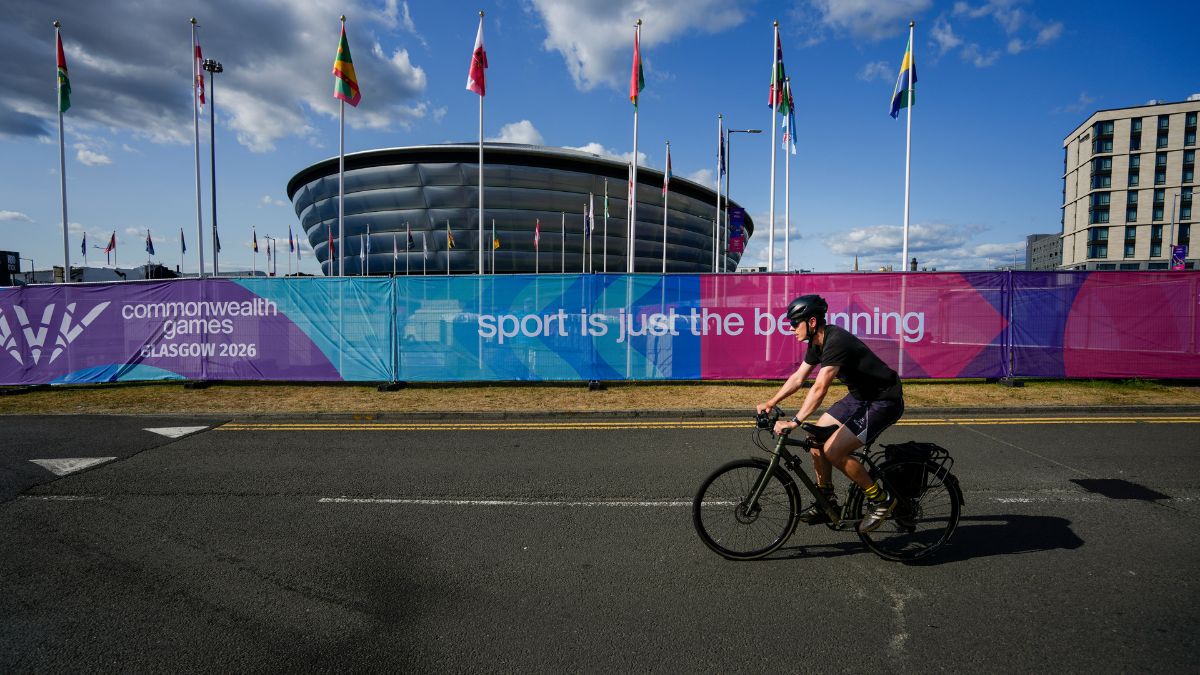
The Commonwealth Games are an international multi-sport competition held between Commonwealth nations. Inspired by the Olympics, the event emphasizes shared culture and fair play and features 56 member states. Bringing together thousands of athletes across multiple disciplines every four years. Over the decades, they have become a symbol of sporting excellence, cultural exchange, and friendly competition among Commonwealth nations.
Over nearly a century, the Games have undergone several transformations, with changes in name, format and sporting programme reflecting the evolution of the Commonwealth itself.
How the British Empire Games began
Astley Cooper first suggested a pan-Empire sporting event in 1891 to promote harmony throughout the British Empire. But it wasn’t until Canadian sports writer Melville Marks Robinson assisted in planning the first games in 1930 that the event really took off.
The event was first held in Hamilton in 1930. Over 400 athletes from 11 nations competed in several sports such as Athletics, Boxing, Lawn Bowls, Rowing, Swimming and Wrestling.
As the Commonwealth expanded and former colonies gained independence, the Games evolved to reflect a changing political and sporting landscape.
From the British Empire Games to the Commonwealth Games
1954 marked a significant turning point in the history of this event as it was officially renamed the British Empire and Commonwealth Games.
With numerous colonies becoming independent and sovereign members of the Commonwealth. The Games came to represent a voluntary alliance of nations connected by history, collaboration, and athletic links rather than an empire. British Empire and Commonwealth Games as a title was kept in use for 1954, 1958, 1962, and 1966.
Beyond its changing name, the event also introduced traditions that would become synonymous with the Commonwealth Games.
History of the King’s/Queen’s Baton Relay
A unique aspect of the event, the King’s/Queen’s Baton Relay first appeared at the 1958 British Empire and Commonwealth Games in Cardiff, Wales.
Inspired by the traditional Olympic torch relay, the baton carries a message from the Head of the Commonwealth to athletes competing in the Games.
It passes across Commonwealth countries and territories before the opening ceremony, signifying harmony, camaraderie, and a common history among member nations.
The message is spoken aloud to officially begin the Games during the opening ceremony. One of the most eagerly awaited and cherished aspects of each Commonwealth Games edition is the Baton Relay.
As the Games continued to grow in stature, organisers expanded the competition by introducing more disciplines to attract wider participation.
Expansion to Team Sports 1998
Team sports were first introduced at the 1998 Commonwealth Games in Kuala Lumpur, Malaysia, which was a historic moment in the event’s history.
Up until that point, the Games had mostly concentrated on individual competitions, but the addition of sports like rugby sevens, hockey, cricket, and netball gave the tournament a fresh perspective.
The decision helped draw larger audiences globally and highlighted the rising popularity of team sports throughout Commonwealth countries.
These sports increased the attraction of the Games, promoted increased participation from participating nations, and increased the competition’s diversity.
Even if the schedule has changed over time, the 1998 edition is still regarded as a turning point in the expansion of the Commonwealth Games beyond its customary individual sports.
The evolution of the Commonwealth Games did not stop with the addition of new sports, as the event soon set a new benchmark for inclusivity in international competition.
The inclusion of Para sports in the Commonwealth Games
The 2002 Commonwealth Games in Manchester, England, marked a historic milestone, as the first completely inclusive international multi-sport event to incorporate para sports into its main competition schedule.
Athletes with impairments participated in the same Games as able-bodied athletes rather than in a distinct event, in contrast to many other significant athletic events of the time.
All participants were on an equal basis because medals earned in para-sports were included in the official medal total for each country. The action was warmly commended for advancing accessibility, equality, and diversity in international sports.
Additionally, it established a new standard for multi-sport tournaments, demonstrating the Commonwealth Games’ dedication to diversity and encouraging other international athletic events to take a more inclusive stance.