


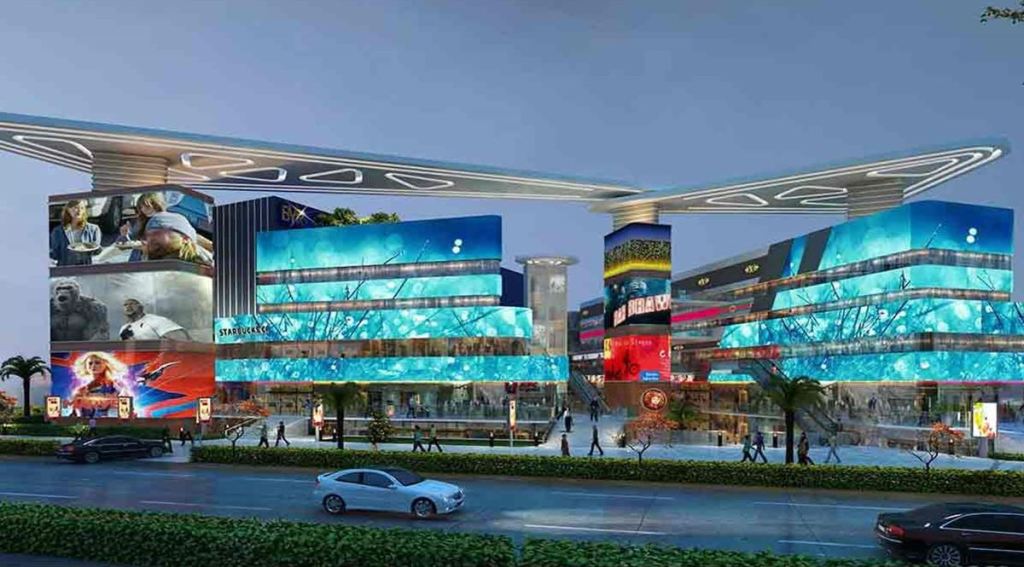
In India, the real estate sector is witnessing rapid growth, and retail is emerging as a critical component of this expansion. Among various retail formats, high street retail is gaining significant traction, reshaping city landscapes and enhancing local economies. High street retail refers to premium shopping areas typically located in the heart of cities. These bustling streets are characterized by a mix of luxury boutiques, flagship stores of renowned brands, restaurants, cafes, and entertainment venues. Unlike enclosed malls, high street retail spaces offer an open-air shopping experience, often integrated with the city’s cultural and historical fabric.
In recent years, high street retail has gained popularity in India. Cities like Delhi, Mumbai, Bengaluru, and Pune have seen a surge in high street retail developments. Khan Market in Delhi, Linking Road in Mumbai, and Brigade Road in Bengaluru are prime examples of thriving high street retail locations. These areas are not just shopping destinations but also social and cultural hubs, attracting a diverse crowd and significantly boosting local economies.

Boosting local economies
One of the key advantages of high street retail is its ability to attract substantial footfalls. The blend of shopping, dining, and entertainment options creates a vibrant environment that draws people from various demographics. This increase in foot traffic benefits local businesses, as higher footfalls often translate into higher sales and revenue.
According to a report by JLL India, high street retail spaces in prime locations have shown resilience and strong performance, even during economic downturns. The report highlights that high street retail vacancies are lower compared to traditional malls, and rental growth in these areas remains robust.
Moreover, high street retail contributes to the local economy by creating jobs and supporting small businesses. Independent boutiques, cafes, and artisan shops thrive in these environments, adding to the economic dynamism of the area. The local government also benefits from increased tax revenues generated by thriving retail districts.
Also Read: Is taking a home loan a good or bad financial decision?
Engaging Millennials, Gen Z
Today’s shoppers, particularly Millennials and Gen Z, seek more than mere transactions when they shop. They crave entertainment, education, and inspiration, driving the need for stores to offer engaging and immersive in-store experiences.
High street retail holds a unique appeal for millennials and Gen Z, who are increasingly becoming the primary consumer base. While these younger generations are known for their affinity for online shopping, they also value experiences that go beyond mere transactions. High street retail offers a sensory-rich environment where shopping is combined with leisure and socializing.
The experiential aspect of high street retail is a significant draw for millennials and Gen Z. These consumers seek authentic experiences and are willing to spend on brands that offer unique, personalized interactions. High street retail caters to this demand by providing a diverse range of activities, from pop-up events and food festivals to live music and art installations.
Moreover, high street retail environments often incorporate technology to enhance the shopping experience. Interactive displays, augmented reality (AR) installations, and mobile apps that offer personalized recommendations are some examples of how technology is being leveraged to attract tech-savvy consumers.
Enhancing connectivity, urban development
High street retail not only boosts local economies but also enhances connectivity and urban development. These retail districts are usually well-connected by public transportation, making them easily accessible to a large number of people. The development of high street retail often leads to improvements in infrastructure, such as better roads, enhanced public transport facilities, and pedestrian-friendly pathways.
Additionally, the presence of high street retail can lead to the revitalization of urban areas. Dilapidated neighborhoods can be transformed into vibrant commercial districts, attracting investment and spurring further development. This, in turn, leads to increased property values and a positive ripple effect on the surrounding areas.
Integration with the Real Estate sector
The growth of high street retail is closely linked to the real estate sector. High street retail developments often drive demand for residential and commercial properties in the vicinity. The presence of a bustling retail district makes nearby areas more desirable for both living and working.
Real estate developers are increasingly recognizing the value of integrating high street retail into their projects. Mixed-use developments that combine residential, commercial, and retail spaces are becoming more common. These projects offer convenience and a high quality of life, making them attractive to potential buyers and tenants.
Industry insiders have noted a substantial demand for high street retail space in Indian cities, yet supply remains limited as most developers focus on constructing large shopping malls. According to data from Cushman & Wakefield, India has only 13.2 million square feet of high street retail space available, compared to the 93 million square feet occupied by malls—seven times more. Despite this disparity, potential consumer spending on high streets is nearly three times higher than in malls, the consultancy firm reported.
Future prospects, challenges
The future of high street retail in India looks promising, with several factors contributing to its growth. The government’s focus on developing smart cities and improving urban infrastructure provides a conducive environment for the expansion of high street retail. Additionally, the growing middle class and increasing urbanization are likely to drive demand for premium shopping experiences.
However, there are challenges that need to be addressed. The high cost of real estate in prime locations can be a barrier for new entrants. Additionally, the competition from e-commerce platforms requires high street retailers to continuously innovate and offer unique experiences to attract customers.
Sum and substance
High street retail is poised to play a transformative role in India’s urban landscape, enhancing local economies and connectivity. By attracting footfalls, engaging younger consumers, and driving urban development, high street retail has the potential to significantly impact the real estate sector. As cities continue to grow and evolve, the integration of high street retail will be crucial in creating vibrant, sustainable, and economically thriving urban environments. The synergy between high street retail and real estate development promises a bright future for India’s urban centers.
(By Yashank Wason, Managing Director, Royal Green Realty)
Disclaimer: Views and facts expressed above are those of the author. They do not necessarily reflect the views of financialexpress.com.