



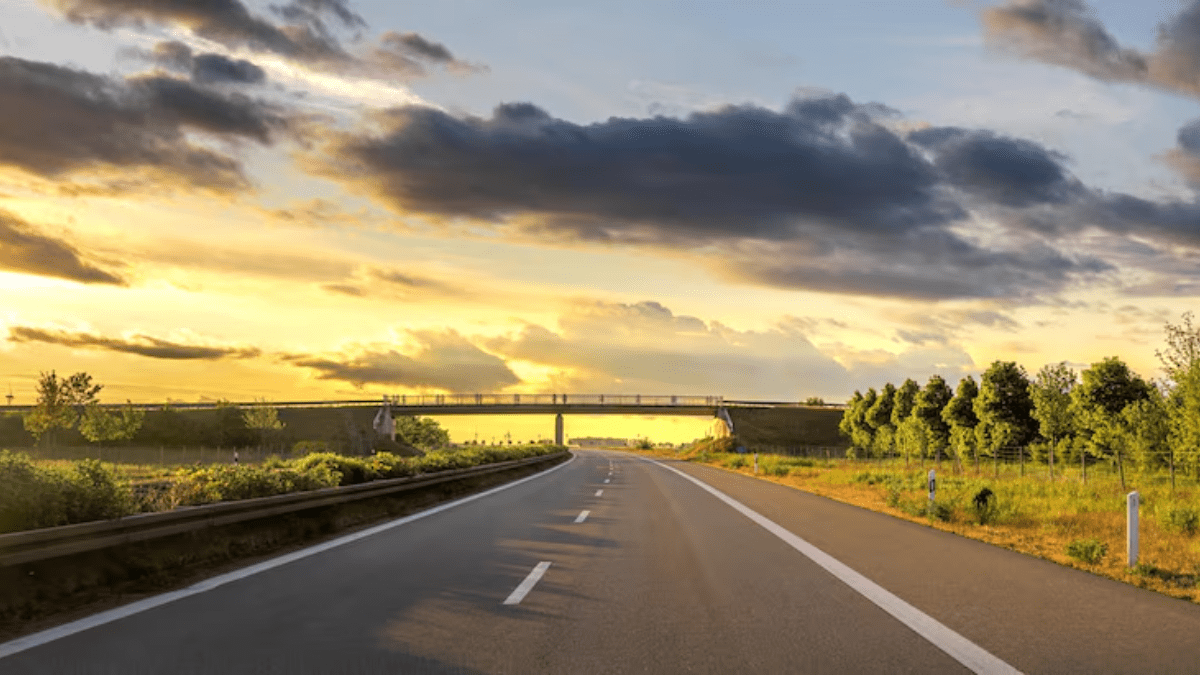
Prime Minister Narendra Modi is set to inaugurate the much-awaited Delhi–Dehradun Expressway on Tuesday, a landmark infrastructure project that significantly cuts travel time between the national capital and Uttarakhand’s capital while giving special emphasis to wildlife conservation.
12 km-long Wildlife elevated corridor – One of the longest in Asia
One of the expressway’s most striking features is its 12-km-long elevated wildlife corridor, one of the longest in Asia. The entire expressway cost over Rs 12,000 crore to build and was designed to protect the region’s rich biodiversity. This elevated structure will allow animals to safely cross the highway, greatly reducing human-animal conflict and ensuring free movement between forest habitats on both sides.
This corridor has been specially designed along the Expressway, keeping in mind the region’s rich biodiversity and ecological sensitivity. The corridor will reduce the man- animal conflict by providing a safe passage for wildlife over the expressway.
What does the Delhi-Dehradun economic corridor include?
The project will also involve 10 interchanges, three railway overbridges (ROBs), four major bridges, and 12 roadside facilities to support smooth, high-speed travel. An Advanced Traffic Management System (ATMS) will be installed along the corridor to improve safety and ensure better traffic flow for commuters.
Avoiding Man-Animal conflict with these safety features
In a notable step towards sustainable infrastructure development, the expressway incorporates several animal-friendly measures, including the following:
Eight dedicated animal crossing points
Two elephant underpasses, each 200 metres long
A 370-metre tunnel near the Daat Kali temple
These features are expected to minimise disruption to local wildlife and promote ecological balance even as the expressway boosts regional connectivity.
Faster travel for Delhi-Dehradun commuters
The new Delhi-Dehradun expressway, which is set to transform travel between Delhi and Dehradun. What once took nearly 6 hours will now be reduced to just 2.5 hours, offering a faster, smoother, and more convenient journey for thousands of daily commuters, tourists, and businesses.