



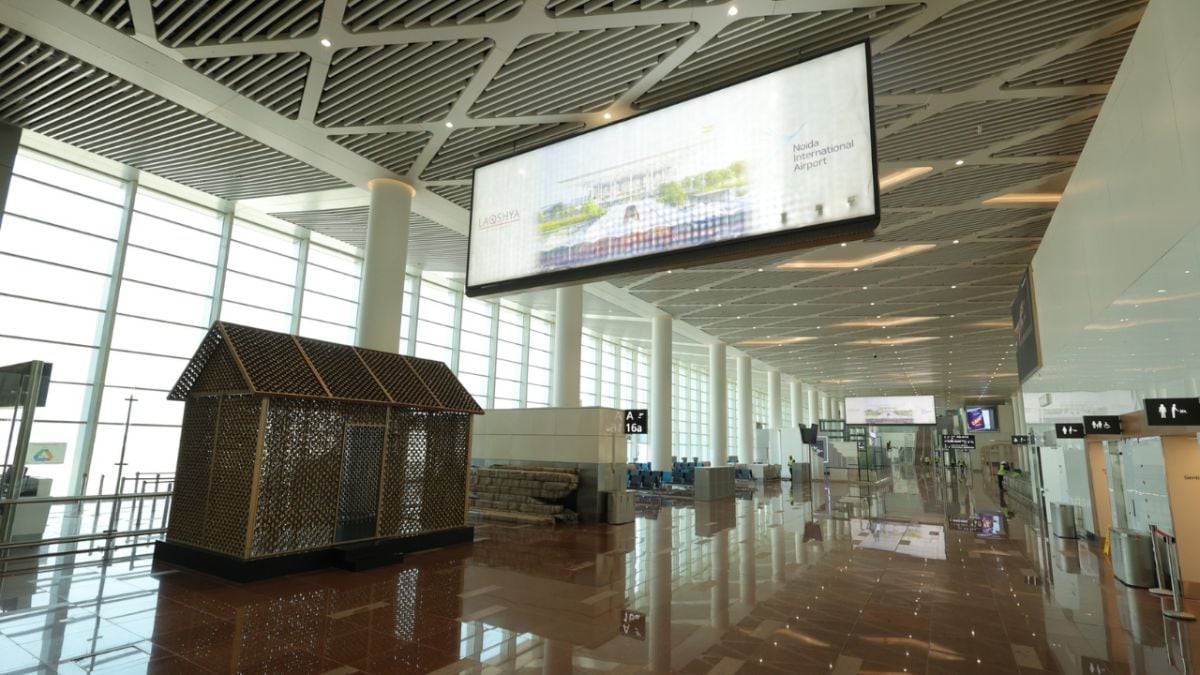
A day ahead of the much-anticipated inauguration of the Noida International Airport, Prime Minister Narendra Modi on Friday (March 27) offered a first look at the Phase 1 infrastructure.
Set to emerge as one of Asia’s largest aviation hubs, the airport is scheduled to open to the public soon, with expectations of significantly enhancing connectivity across the National Capital Region (NCR).
Preparations have entered the final stretch, with authorities streamlining arrangements across key areas. The Uttar Pradesh administration has intensified focus on security, traffic management, parking logistics and surveillance in the run-up to the inauguration.
District officials said inter-departmental coordination is in full swing to ensure the event proceeds without disruptions. Multiple agencies have been directed to complete pending tasks on priority, with senior officials monitoring progress closely.
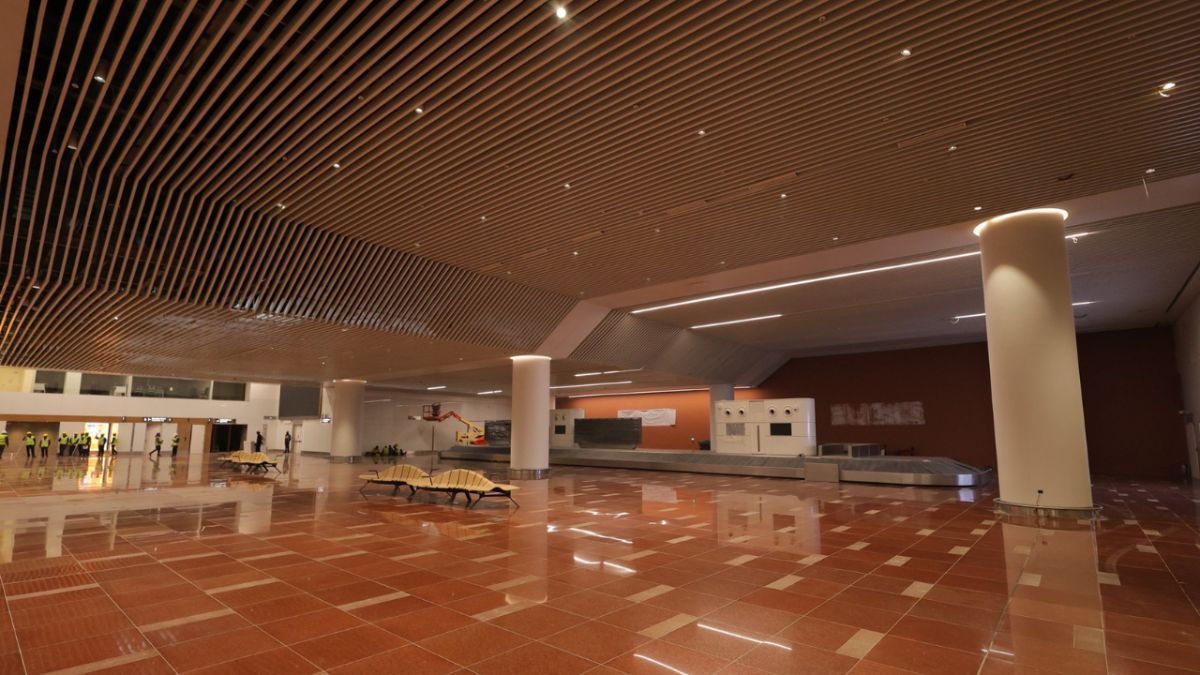
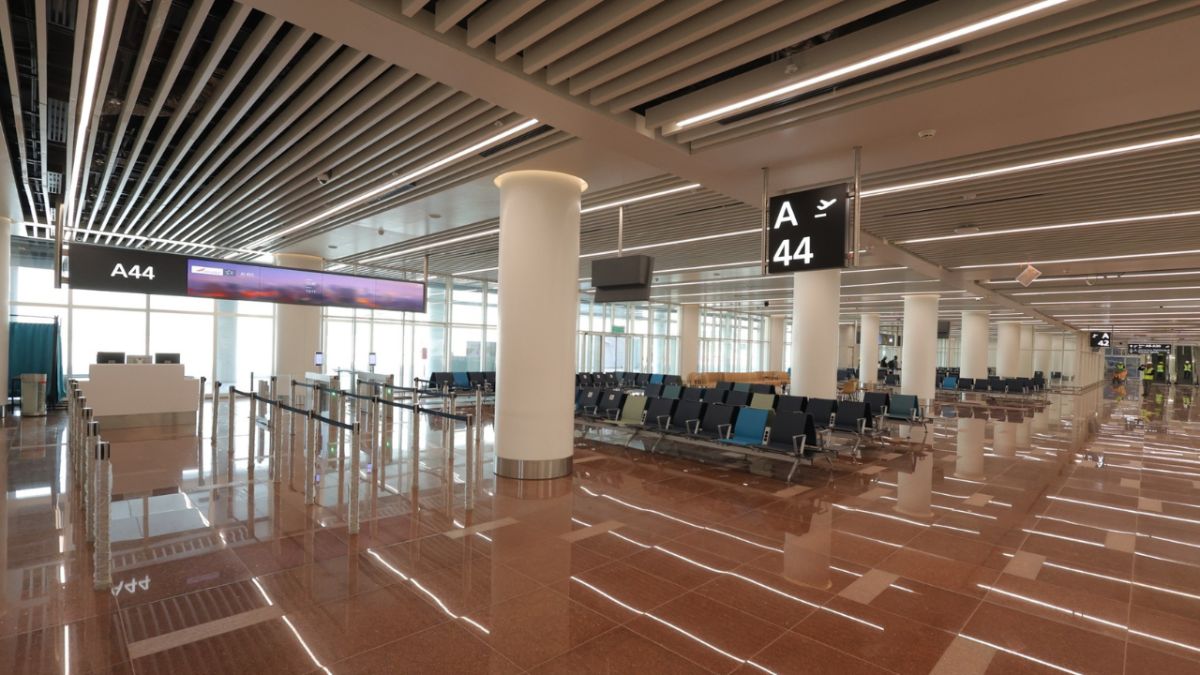
Earlier in the day, Modi shared images from inside the airport on social media, showcasing key facilities including the boarding area, check-in counters, baggage claim zones and terminal interiors.
Taking to social media ahead of the scheduled grand inauguration of the Noida International airport, PM Modi said that 28th March is a day of immense importance for the people of Uttar Pradesh and the NCR.
“Phase I of Noida International Airport will be inaugurated. This will boost commerce and connectivity. It will ease congestion at the IGI Airport in Delhi. The Noida airport is among the key greenfield projects in our nation. In addition to passenger services, it will have a robust cargo ecosystem thus boosting the logistics sector,” PM Modi said.
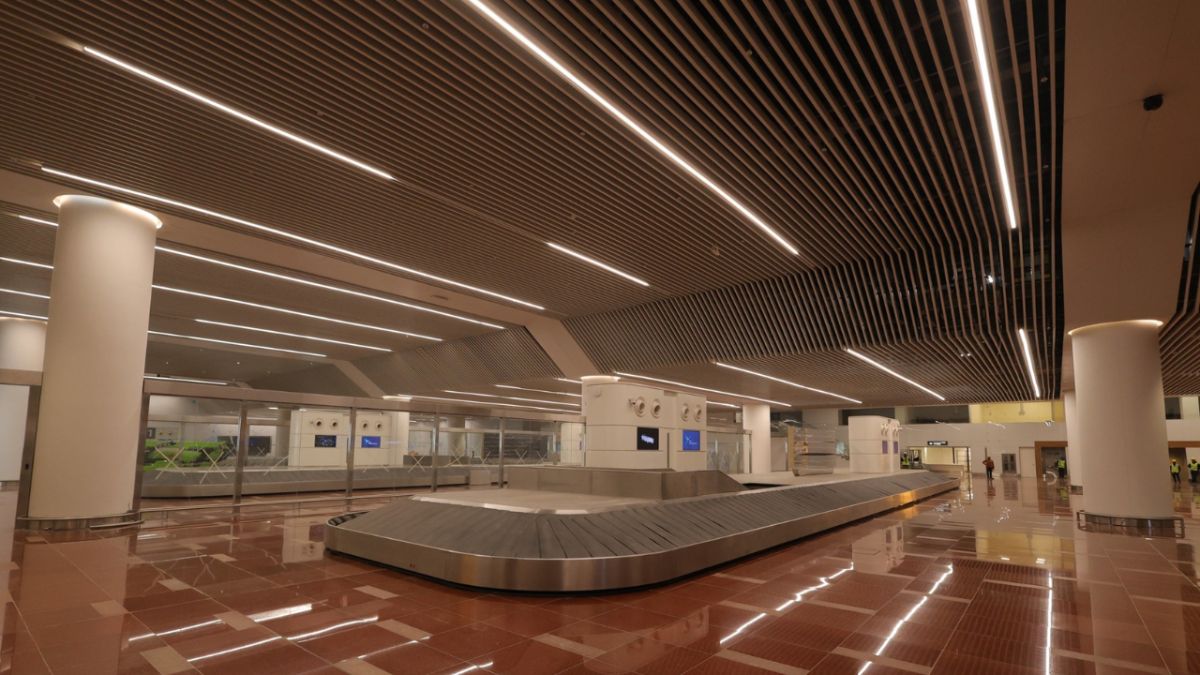
Security arrangements have been intensified at the venue, with CCTV surveillance linked to a central control room. Traffic management plans have also been put in place to ensure smooth vehicular movement.
The Uttar Pradesh government said the project aligns with Chief Minister Yogi Adityanath’s infrastructure push and is expected to boost investment, generate employment and improve regional connectivity.
A solar park spanning 82.94 acres, with a capacity of 51,966 megawatt-hours, along with EV charging infrastructure across 20% of the parking area, will support the airport’s green framework.
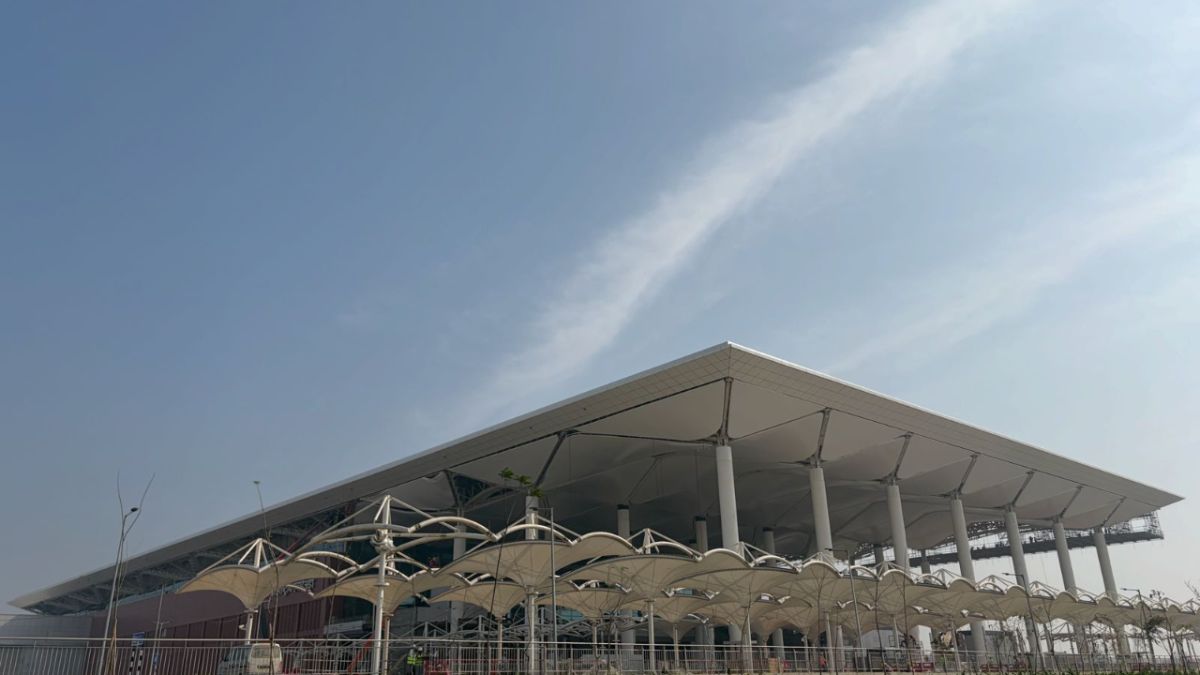
Developed in collaboration with Zurich Airport Group, the Jewar airport is based on a net-zero model and has secured IGBC Green Campus certification, a first for any airport in India.

Officials said the airport aims to set benchmarks in sustainable infrastructure while driving investment and job creation in line with the state’s development agenda.
In its first phase, the airport will handle up to 12 million passengers annually with a single runway. Future expansions will scale capacity and add up to five runways, positioning it among Asia’s largest airports.