



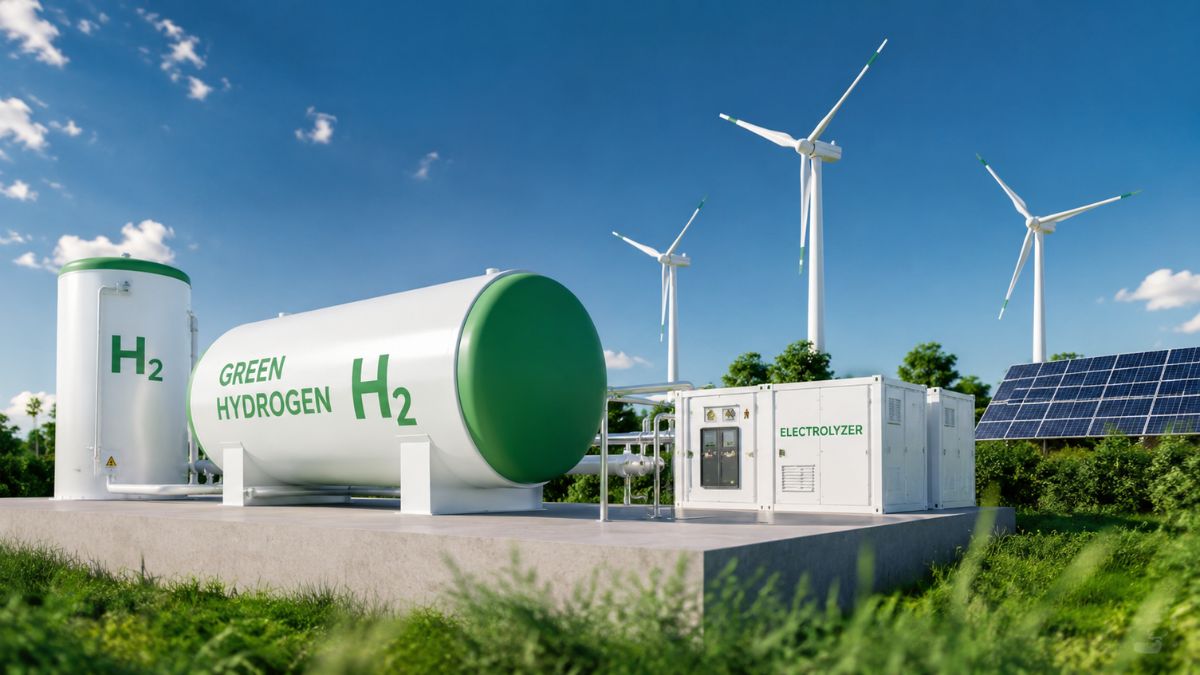
Green hydrogen projects awarded under current tenders may not be profitable if developers use electrolysers manufactured outside China, raising a cost challenge for India’s plan to build 5 million tonne per annum (MTPA) of green hydrogen-equivalent capacity by 2030.
“The present tenders won for producing green hydrogen would likely not be profitable if non-China-made electrolysers are used,” SBICAPS said in its report. It added that China “beats the rest of the world in all major components of costs.”
The report said electrolyser manufacturing capacity remains underutilised globally and, even after accounting for demand from the chlor-alkali sector, spare capacity is likely to persist as new manufacturing capacity comes on stream. Global electrolyser costs also saw no major change between 2024 and 2025 because deployments were slower than anticipated and input costs increased.
SBICAPS described electrolysers as “a saturated space globally, with significant overcapacity in China”. It said investments should focus primarily on building a national research and development base for newer technologies, while easier imports could be part of the first wave of Indian green hydrogen factories.
The finding comes as aggressive bidding has pushed green hydrogen tariffs to globally competitive levels. Under SIGHT Component 2 Mode 2B, oil and gas companies have awarded about 30,000 tonne per annum from an initial tranche of 200,000 tonne. The lowest discovered green hydrogen price was ₹279 per kg, down around 17% in less than a year. Including the first-year incentive of ₹50 per kg, suppliers would receive ₹329 per kg.
Green ammonia auctions have also drawn strong interest. Firm demand contracts covering 724,000 tonne per annum were awarded across 13 projects to eight developers. The average discovered tariff was ₹53.3 per kg, while the lowest was ₹49.8 per kg, with bids averaging around 24% below reserve prices.