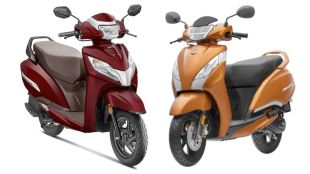
The Delhi Government on Saturday released its Electric Vehicle Policy 2026, laying out strict timelines to accelerate the capital’s transition towards full electrification. As per the draft, starting January 1, 2027, only electric three-wheelers will be eligible for new registration in Delhi, followed by a similar mandate for the two-wheeler segment from April 1, 2028, where only electric models will be permitted.
Phased Deadlines
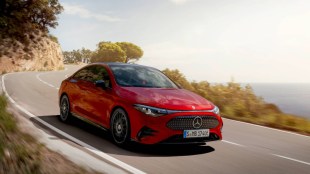
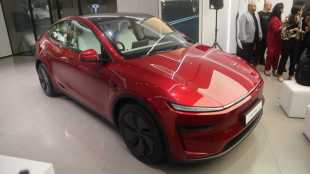
For passenger cars, the policy does not set a fixed phase-out deadline but promotes adoption through financial incentives, including exemptions on road tax and registration fees for electric vehicles, along with a ₹1 lakh scrapping incentive to encourage the replacement of older vehicles. Electric cars priced up to ₹30 lakh will receive full exemption on road tax and registration fees, while those above ₹30 lakh will not be eligible for any exemption. Strong hybrid vehicles will get a 50% exemption on road tax and registration fees.
The policy also extends scrappage incentives beyond cars, offering ₹10,000 for electric two-wheelers, ₹25,000 for e-rickshaws (L5M), and ₹50,000 for electric goods vehicles (N1), provided the new vehicle is purchased within six months of receiving a Certificate of Deposit from an authorised scrapping facility.
In addition, electric two-wheelers, e-rickshaws, and goods vehicles will also be eligible for direct purchase subsidies along with road tax and registration fee waivers. The subsidies will be time-bound over three years, with the maximum incentive declining each year. For electric two-wheelers (ex-factory price up to ₹2.25 lakh), the incentive will be ₹30,000 in Year 1, ₹20,000 in Year 2, and ₹10,000 in Year 3. For e-rickshaws (L5M), the incentive will be ₹50,000, ₹40,000, and ₹30,000 respectively, while for electric goods vehicles (N1), it will be ₹1 lakh, ₹75,000, and ₹50,000 over the three-year period.
The policy also pushes electrification of public transport to curb rising pollution. Under the plan, all newly registered DTC intra-state buses will be electric from the date of policy notification. For school buses, the transition will be phased, with 10% required to be electric by Year 2, 20% by Year 3, and 30% by 31 March 2030.
Public Transport
The draft said the Delhi Electric Vehicle Policy 2026–2030 builds on this momentum to accelerate electric vehicle adoption, improve air quality, and create a supportive ecosystem for electric mobility. The policy will come into effect from the date of notification.
The policy is closely linked to Delhi’s ongoing efforts to combat air pollution, which remains one of the most severe in the country. Citing findings from the Commission for Air Quality Management (CAQM), the draft identifies vehicular emissions as a major contributor to pollution levels in the National Capital Region. It notes that rapid electrification of high-use segments, including two-wheelers and commercial vehicles, is critical to achieving sustained improvements in air quality.
The policy builds on Article 21 of the Constitution, reinforcing the right to a clean and pollution-free environment, and aligns with existing legal frameworks such as the Environment Protection Act, 1986 and the Motor Vehicles Act, 1988.
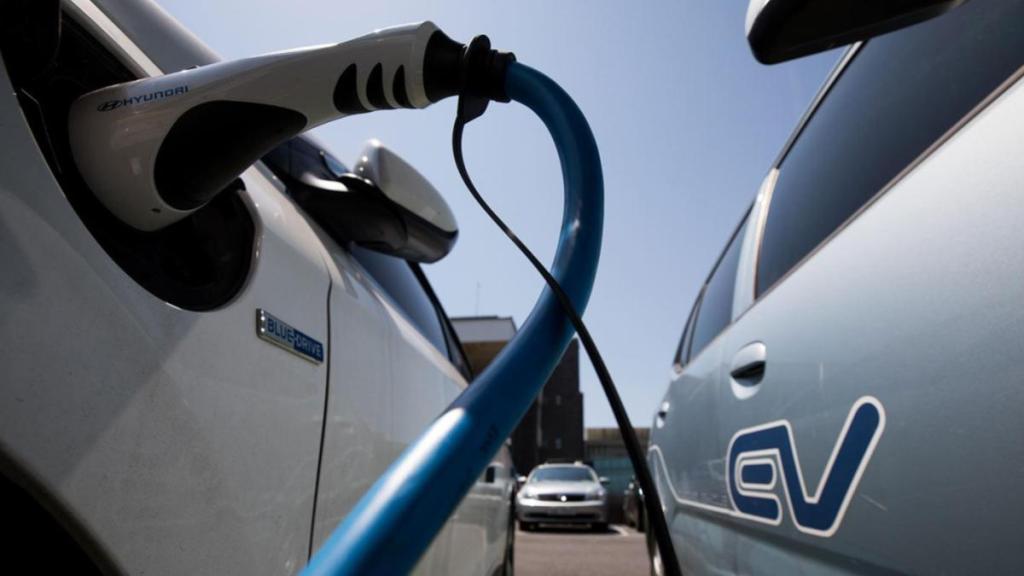
It also focuses on building a robust ecosystem to support electric mobility, including the expansion of public and private charging infrastructure across the city. It further aims to strengthen the EV supply chain by promoting battery recycling, servicing, and component recovery systems.
A key emphasis has been placed on circular economy principles, especially battery disposal and reuse mechanisms, to address the long-term environmental impact of large-scale EV adoption.
The draft EV policy is an extension of the original Delhi EV Policy launched in 2020, which has been extended multiple times after its initial expiry in August 2023. The new framework, once notified, will remain in effect until 2030.
The Delhi government has now opened the draft for public feedback and suggestions for a period of 30 days before finalisation, indicating scope for further revisions based on the input received.