



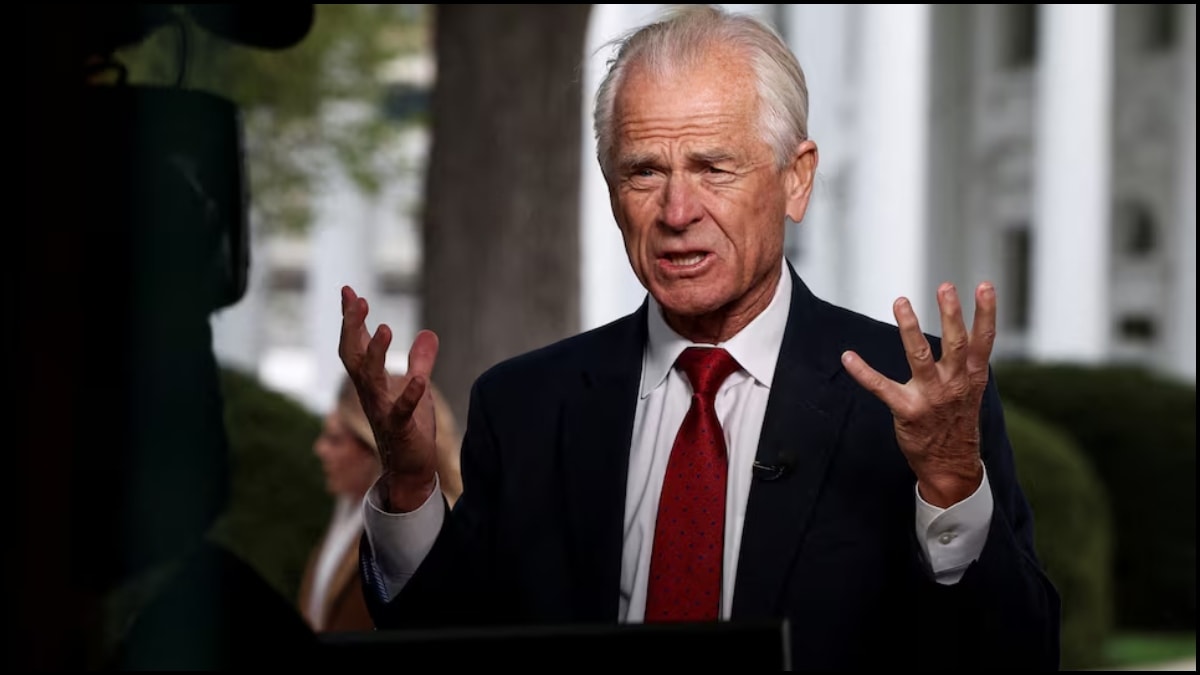
White House trade adviser Peter Navarro has sparked fresh controversy with sharp criticism of India, questioning why Americans are effectively subsidising AI services used in India amid broader tensions between the two countries.
What did Navarro say?
In a recent interview with ex-White House chief strategist Steve Bannon on ‘Real America Voice’, Navarro questioned why Americans were “paying for AI in India,” pointing out that platforms like ChatGPT run on US soil using American electricity, while millions of users in India and other countries benefit from the technology.
“ChatGPT operates on US soil and uses American electricity, servicing large users of ChatGPT in India and China and elsewhere,” Navarro said.
Navarro also raised concerns about foreign purchases of US farmland, claiming that outside entities were buying agricultural land at inflated prices and warning that such trends could contribute to rising food inflation in the United States.
India-US trade deal tensions
The United States and India also remain deadlocked over a stalled trade deal and mounting disagreements around tariffs and energy policy.
His remarks also arrived against the backdrop of escalating tensions between Washington and Delhi, particularly over President Donald Trump’s decision to impose 50% tariffs on Indian imports.
These punitive measures were linked to India’s continued purchase of discounted Russian oil, a move Washington has repeatedly denounced as harmful to US strategic interests and global efforts to curb funding for Moscow’s war in Ukraine.
Navarro’s past criticisms
Navarro’s criticisms of India are not new. In the past, he has taken aim at India’s trade practices and manufacturing policies, portraying Delhi as an unfair negotiator and a major trading challenge for US businesses. He has accused India of fuelling Russia’s war by importing discounted crude and even labelled the country a “laundromat” for Kremlin interests.
The Trump aide has also used inflammatory language in previous comments, branding India as the “maharaja of tariffs,” calling its Russian oil imports “blood money,” and controversially describing the Ukraine conflict as “Modi’s war.”
Such remarks have drawn sharp rebukes from Indian officials, including the Ministry of External Affairs, which rejected Navarro’s characterisation as “unacceptable” and “ill-informed,” saying it undermined mutual respect and failed to reflect the depth of the US-India relationship.