



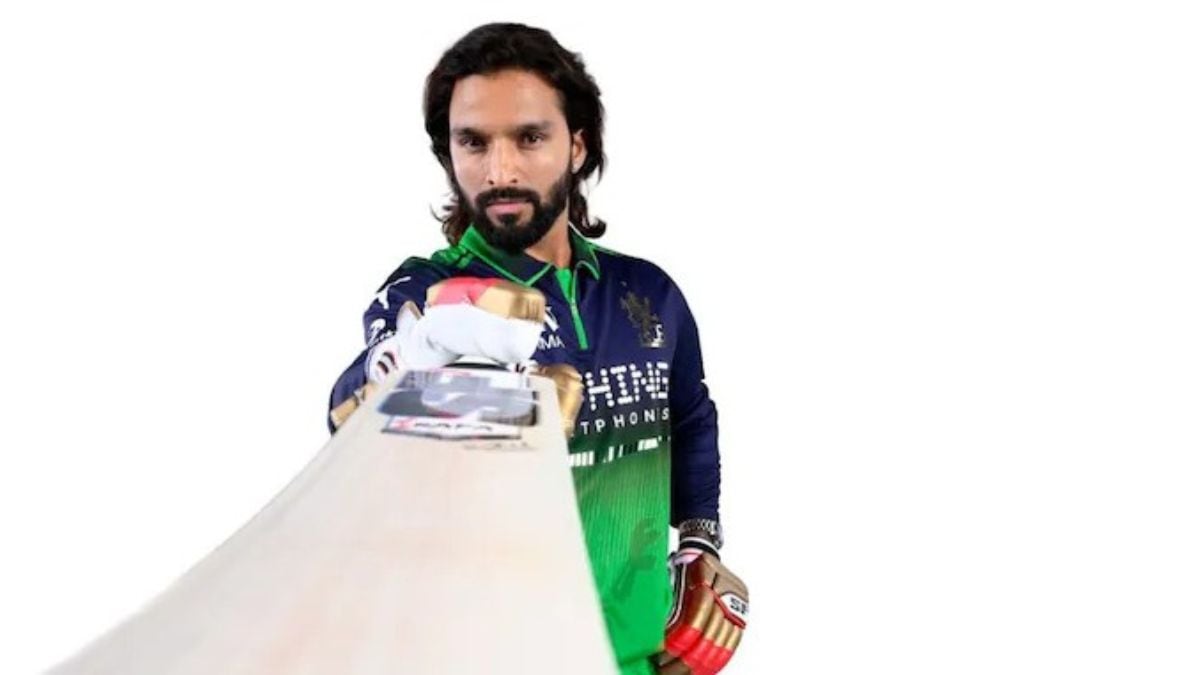
When Royal Challengers Bengaluru (RCB) walk out at the M. Chinnaswamy Stadium, April 18, 2026, for their home fixture against Delhi Capitals (DC), they will be sporting a green kit and not their traditional red. Notably, this will be 16th edition of the franchise’s ‘Go Green’ initiative, a campaign that has evolved from a marketing gimmick into a cornerstone of the team’s sustainability balance sheet.
The ESG Angle: Sustainability in the $130 billion market
The Recycled Kit: The 2026 green jerseys are manufactured by PUMA using 100% recycled stadium waste and technical textiles. This also aligns with Budget 2026’s emphasis on the circular economy in manufacturing.
The Valuation of ‘Green’: RCB remains the only carbon-neutral T20 franchise in the world. By integrating environmental goals into their operations (lake restoration, waste segregation), they have unlocked a unique sponsorship tier, attracting eco-conscious partners like Sun Pharma and Nothing Smartphones.
𝘛𝘩𝘢𝘵 𝘖𝘳𝘢𝘯𝘨𝘦 𝘊𝘢𝘱… 𝘺𝘦𝘢𝘩, 𝘪𝘵’𝘴 𝘤𝘢𝘭𝘭𝘪𝘯𝘨 𝘩𝘪𝘮 𝘢𝘨𝘢𝘪𝘯. 🧡😮💨#PlayBold #ನಮ್ಮRCB #IPL2026 pic.twitter.com/seEApVE5Id
— Royal Challengers Bengaluru (@RCBTweets) April 17, 2026
Direct Fan Revenue: The Go Green merchandise is a high-margin vertical. Authentic green jerseys are retailing at Rs 5,499, while replicas are priced at ₹2,299, tapping into the Gen Z fan base that prioritizes ethical consumption.
The ‘Go Green’ Rituals
Since its inception in 2011, the initiative has introduced several symbolic and operational changes to the matchday experience:
The Captain’s Gift: During the toss, the RCB skipper (Rajat Patidar) will present a sapling to the DC captain, symbolising a commitment to reforestation.
🎶 Salaam R̶o̶c̶k̶y̶ Rasikh Bhai. 🫡
— Royal Challengers Bengaluru (@RCBTweets) April 17, 2026
What an outing he had. His best figures in the #TATAIPL. 🙌#PlayBold #ನಮ್ಮRCB #IPL2026 pic.twitter.com/2wYWwXTZtw
Infrastructure Push: The franchise has used its influence to restore over 44 acres of lakes in South Bengaluru.
The #RCBEverywhere Campaign: This year, PUMA and RCB have launched a UGC (User Generated Content) campaign, encouraging fans to take the new green jersey to “unexpected locations” globally, further boosting the kit’s secondary market value.