



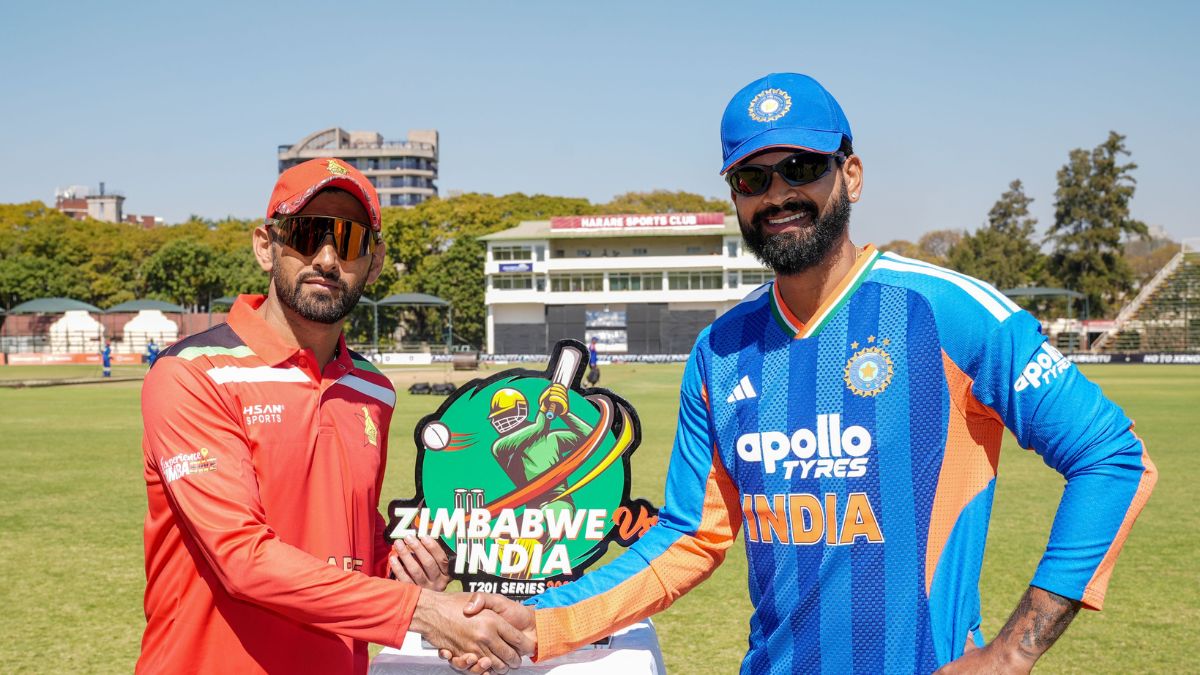
When India returned to international cricket against Zimbabwe, many fans headed straight to ZEE5.
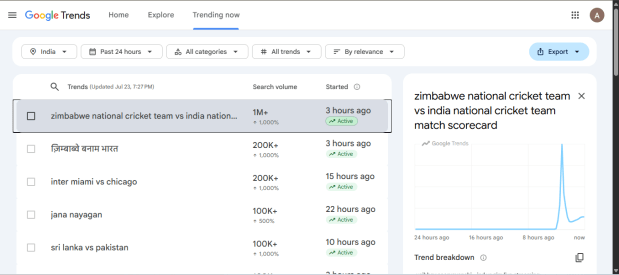
After weeks of watching the FIFA World Cup on the platform, subscribers naturally assumed their existing membership would also cover the India vs Zimbabwe T20I series. Google Trends reflected the confusion, with searches such as “India vs Zimbabwe live streaming,” “ZEE5 IND vs ZIM” and “Where to watch Zimbabwe vs India“ surging as the series got underway. At one point ZIM vs IND Live Streaming was trending at more than 50,000. However, later on, the trend shifted to Zimbabwe National Cricket Team vs India National Cricket Team.
The surprise came when viewers discovered that while ZEE held the television rights through its newly launched Unite8 Sports channels, the exclusive digital streaming rights belonged to FanCode.
It raised an obvious question: Why would ZEEL partner with another streaming platform when it already owns ZEE5?
The answer lies in how sports rights are increasingly being split across platforms to maximise distribution, monetisation and audience reach.
A Platform-Specific Partnership
Rather than placing both television and digital rights under one ecosystem, ZEEL and FanCode entered a strategic broadcasting partnership for India’s 2026 tour of Zimbabwe.
Under the agreement
| Platform | Broadcaster |
| Linear Television | Unite8 Sports |
| Digital Streaming | FanCode |
| Free-to-Air | DD Sports (terrestrial network/DD Free Dish) |
This structure allows each platform to focus on its core strengths instead of competing for the same audience.
Why Unite8 Sports Remained TV-Exclusive
One likely reason behind the arrangement is ZEEL’s focus on establishing Unite8Sports, its new sports television network.
For any new sports channel, distribution is critical. Wider carriage across cable and DTH platforms increases reach, advertising opportunities and long-term value.
Keeping premium live cricket exclusively on Unite8Sports gives distributors and subscribers another reason to add the channel, helping ZEEL strengthen the network’s position as it prepares for a larger sports rights portfolio.
Making the series simultaneously available on ZEE5 could have reduced some of that incentive.
While ZEEL has not publicly stated this as its rationale, it aligns with how broadcasters typically use premium live sports to build new television brands.
Why FanCode Was a Natural Digital Partner
The partnership also plays to FanCode’s strengths.
Unlike broad entertainment platforms such as ZEE5, FanCode is built around live sports and offers flexible viewing options including Match Passes and Tour Passes.
That model is particularly suited to short bilateral cricket tours, allowing casual fans to pay only for the series instead of committing to a broader entertainment subscription.
For ZEEL, partnering with a specialist sports-streaming platform also meant reaching an established digital sports audience without integrating another live cricket property into ZEE5.
Different Platforms, Different Audiences
The arrangement demonstrates that television and digital streaming are no longer treated as identical products.
Unite8 Sports targets traditional pay-TV households, while FanCode caters to digital-first sports viewers looking for affordable, event-specific access.
By separating the two, both companies can serve different segments of the cricket audience without directly overlapping.
Why DD Sports Is Also Showing the Matches
Alongside Unite8Sports and FanCode, the series is also available on DD Sports through Prasar Bharati’s terrestrial network and DD Free Dish under India’s mandatory sports broadcasting sharing framework for national team matches.
This ensures wider public access while Unite8Sports remains the primary pay-TV broadcaster.
India vs Zimbabwe Broadcast Rights at a Glance
| Segment | Platform | Strategic Role |
| Pay-TV | Unite8 Sports | Build reach and distribution for ZEEL’s new sports network |
| Digital Streaming | FanCode | Serve digital-first cricket audiences through flexible sports streaming |
| Free-to-Air | DD Sports | Provide wider public access under India’s mandatory sharing framework |