



India’s defence sector is in a strong phase, backed by real numbers. According to a recent report by Motilal Oswal, the government has already cleared Rs 7 lakh crore worth of defence projects over the last few years. This gives companies a steady workflow across missiles, aircraft, ships, and electronics. The report also mentions that the coming budget may raise defence spending, which increases the size of the market.
There is a Rs 40,000 crore fund for fast emergency purchases, which pushes quicker orders. India is also buying much more from local companies now, which helps margins. At the same time, European countries are raising their defence budgets, and this is creating export demand for Indian systems. Put together, these factors give the sector a long runway with reliable order flow.
#1: Motilal Oswal on defence sector: Rs 7 lakh crore orders backbone
The report explains that the cleared Rs 7 lakh crore worth of projects form the base of the sector’s growth cycle. These approvals act as confirmed work that supports steady orders for the next few years. The report adds that the upcoming budget is likely to increase the overall defence fund, which means more opportunities for Indian companies. This large, confirmed pipeline reduces uncertainty and supports stable production across major platforms.
#2: Motilal Oswal on defence sector: Local production lifts margins
The report notes that India is now buying far more equipment from local companies. Before COVID, only 54% of defence purchases were domestic. This has now increased to 75% in the FY26 budget. In FY25, Indian companies received 92% of all defence contracts. Since more work stays within the country, companies manage costs better and depend less on imported parts. The report says many firms expect margins to stay strong or improve because domestic sourcing gives them more control over cost, timelines, and supply chains.
#3: Motilal Oswal on defence sector: Export demand builds in Europe
The report points to strong export interest as European countries increase defence spending. India already has systems such as BrahMos, Akash, Pinaka, and 155mm guns that have demand abroad. The report also says shipyards like Mazagon Dock, Garden Reach, and Cochin Shipyard are in discussions with buyers in Europe and Asia. These export orders create a second growth stream outside the Indian market and support the long-term expansion of large platforms.
#4: Motilal Oswal on defence sector: Emergency buys speed order flow
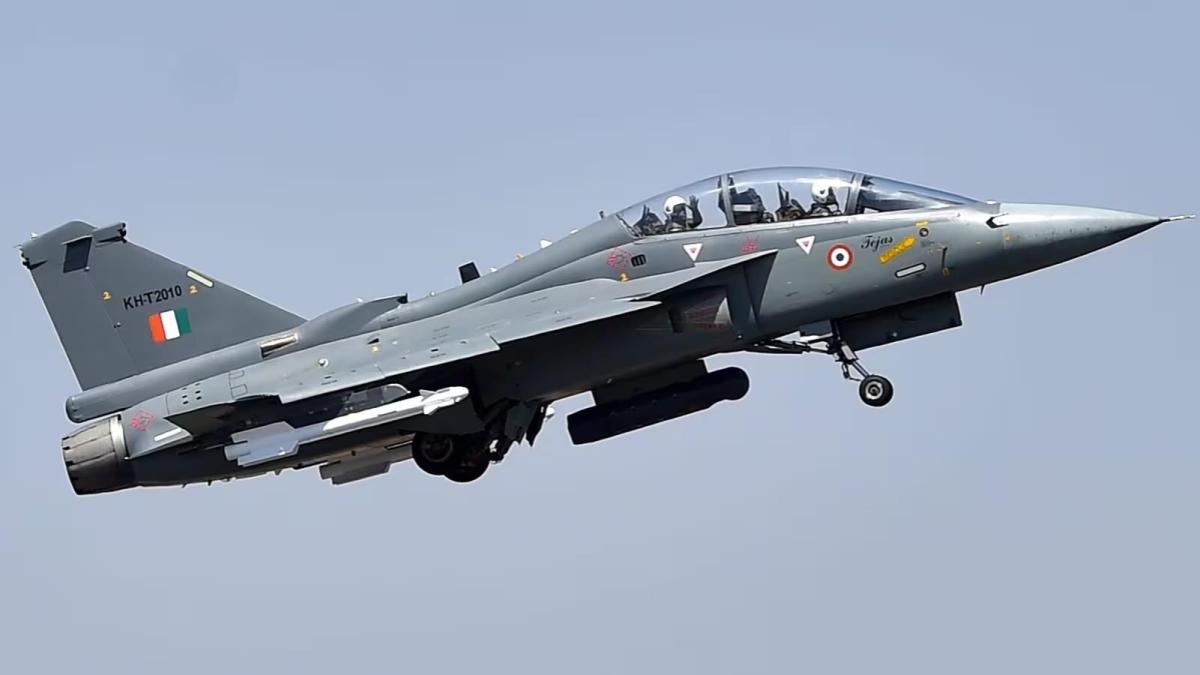
The report states that the Rs 40,000 crore emergency purchase fund moves through faster approval routes, which brings quick orders. This has opened near-term opportunities for missile systems, guided rockets, air defence units, radar, communication systems, electronic warfare, and avionics. The follow-on order for 97 Tejas Mk1A aircraft gives Hindustan Aeronautics years of steady production. These fast-moving programs bring quick billing while long-duration projects continue in parallel.
#5: Motilal Oswal on defence sector: Capex prepares for long build cycle
The report describes a strong expansion cycle across the sector. Shipyards are building new dry docks, floating docks, and greenfield yards to handle the large pipeline of naval vessels. Missile companies are adding capacity in propulsion, composites, and radome facilities. Defence electronics and avionics firms are expanding plants for radar, communication, and aircraft systems. This investment matches the long visibility created by the confirmed order book and prepares companies for several years of steady output.
The Motilal Oswal report on the defence sector indicates that the sector has already entered a long production phase. With companies adding capacity across platforms and large programs moving into execution, the industry now has the scale to deliver sustained output. The report’s estimates for earnings growth at firms like Bharat Dynamics, including a projected 37.3% rise in EPS by FY28, point to a cycle supported by actual work rather than assumptions.