



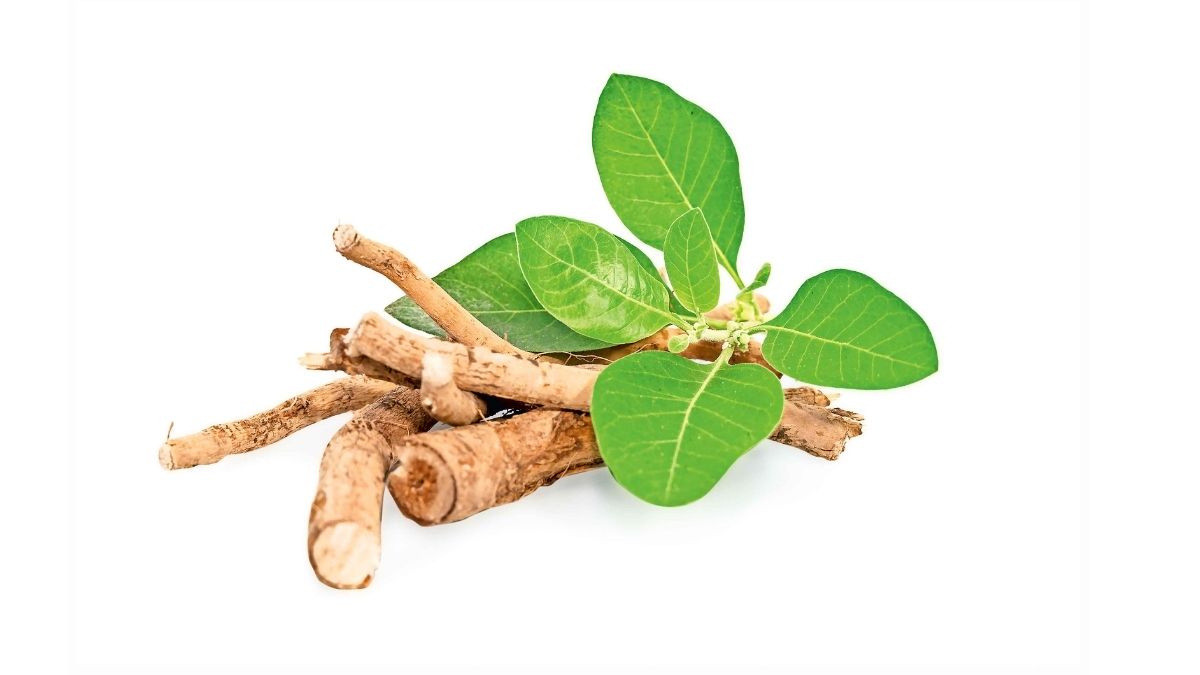
For centuries, ashwagandha has occupied a near-mythical space in India’s wellness imagination. Rooted in Ayurveda and endorsed in modern times by high-profile dignitaries including Prime Minister Narendra Modi, the herb has been marketed as a cure-all for modern ailments, stress, fatigue, low immunity, and even burnout. But in a surprising regulatory move last month, India’s apex food regulator has drawn a firm line: not all parts of this ancient plant are welcome on your plate.
In April, the Food Safety and Standards Authority of India (FSSAI) issued an advisory prohibiting the use of ashwagandha leaves in food products and dietary supplements. The ruling has triggered a deeper debate about how we consume traditional remedies in a hyper-commercial wellness market.
Plant of many promise
Also known scientifically as Withania somnifera, ashwagandha is often called Indian ginseng or winter cherry. Its Sanskrit name, ‘ashwa’ (horse) and ‘gandha’ (smell), suggests both strength and vitality. Traditionally, the root has been used as a ‘rasayana’ — a rejuvenating tonic believed to restore balance across both the mind and the body.
Modern science, too, has shown interest. Studies suggest that compounds in the plant may have neuroprotective, anti-inflammatory, and adaptogenic properties. Some research on leaf extracts has even explored their role in targeting cancer cells, thanks to active compounds like withanolides. But as with many natural substances, potency is a double-edged sword.
The FSSAI’s advisory clarifies a crucial distinction: only the root and its extracts are permitted in health supplements, nutraceuticals, and functional foods under existing regulations. The leaves, whether used raw or as extracts, are not.
All food business operators (FBOs) are advised to ensure strict compliance with the aforementioned provisions. Any deviation shall attract action under the Food Safety and Standards Act, 2006 and regulations made thereunder. The regulator also noted that some manufacturers had begun incorporating ashwagandha leaves into products, despite them not being listed in approved botanical ingredients. The concern lies in their chemical composition. Leaves tend to contain higher concentrations of certain bioactive compounds, including Withaferin-A, which may carry stronger biological effects, and potentially higher risks.
Health experts point out that such compounds, while promising in laboratory settings, are not always safe for routine consumption without strict dosing and standardisation. The ban has also revived an uncomfortable truth in the wellness industry: just because something is natural doesn’t mean it’s risk-free.
Integrative lifestyle expert Luke Coutinho says, “Natural does not automatically mean safe. Potency is not the same as safety. More is not always better.”
He warns that consumers often use supplements like ashwagandha as a quick fix for deeper lifestyle issues — chronic stress, poor sleep, erratic eating habits. Coutinho says, “Foundational medicine looks at the person as a whole and asks what is driving the symptom. Is sleep broken? Is stress physiology elevated? Is nutrition poor? Is movement excessive or absent? We also have to respect bio-individuality. What works for one person may not work for another.
In many cases, ashwagandha is used like a band-aid for stress that needs lifestyle correction. We don’t need a new supplement; we need a return to the basics. Your circadian rhythm, protein intake, and gut health are the real adaptogens.”
Medical professionals believe that while most people tolerate ashwagandha well, side effects can occur, ranging from digestive discomfort to excessive drowsiness.
It can also pose safety risks, including potential liver toxicity, gastrointestinal distress, and neurotoxic effects. Emphasising on the importance of medical supervision, Dr Amit Prakash Singh, consultant, internal medicine, CK Birla Hospital, Delhi, says, “It is best to speak with a qualified practitioner, especially if you have pre-existing health conditions or are taking other medication. However, there are rare reports of liver injury and potential interactions with medications for thyroid function, blood pressure, and diabetes. It should not be used during pregnancy.”
One of the biggest challenges for consumers is knowing exactly what they are consuming. Ashwagandha may appear on labels under multiple names, its botanical identity, root extract, or as part of proprietary ‘adaptogen blends’. Rarely is it clear which part of the plant is being used. “Even when details are mentioned, they may not be meaningful to a layperson,” says Ayurvedic physician Dr Gagan Tiwari from Kailash Health Village, Noida. “People should look for proper labelling, certification, and ideally consult an expert before use. Real products disclose their botanical names, which include Withania somnifera. A healthcare professional and trusted regulatory agencies, together with QR-based traceability systems, help consumers to verify product integrity and safety.”
The FSSAI’s directive attempts to address this ambiguity by insisting on clearer labeling and stricter compliance. However, experts caution that transparency alone doesn’t guarantee suitability. What works for one individual may not work for another.
A wake-up call
The timing of the advisory is apt. The global wellness market has seen an explosion in demand for herbal supplements, with ashwagandha emerging as a star ingredient in everything from protein powders to sleep gummies. But with popularity comes risk, especially when traditional herbs are repackaged for mass consumption without adequate regulation. “This isn’t about rejecting ashwagandha. It’s about respecting both traditional wisdom and modern science. Regulation, when done right, protects both,” says Coutinho.
By focusing on plant-part specificity, root versus leaf, the FSSAI is nudging manufacturers toward better sourcing, standardisation, and accountability. It’s also a reminder that ancient remedies cannot be divorced from the contexts in which they were originally used.
Perhaps the most important takeaway from the ashwagandha debate is not about the herb itself, but about how we approach health.
If you’re reaching for a supplement to fix stress or fatigue, experts suggest pausing to ask why those symptoms exist in the first place. Is your sleep cycle disrupted? Is your diet lacking? Are you overworked and under-rested? Dr Singh recommends starting with simple, sustainable changes: regular sleep schedules, balanced nutrition, moderate exercise, and mindfulness practices. “For most people, these are safer and more effective than supplements,” he says.
Singh also advises that if someone is struggling with low energy or weakness, it is effective to focus on eating a wholesome, balanced diet that predominantly consists of protein-rich foods, fruits, nuts/seeds, and vegetables, rather than relying on supplements to boost energy levels. “If you feel that you require additional assistance, you could consider supplements like magnesium, melatonin (for sleep maintenance), or multivitamins (with your doctor’s approval); however, do not just switch herbs without consulting a professional,” says Dr Singh. For those seeking herbal alternatives, Dr Tiwari suggests options tailored to specific needs-like brahmi or shankhpushpi for stress, or amla and guduchi for overall vitality-but always under professional guidance.
For consumers, the message is clear: read labels, ask questions, and resist the allure of quick fixes. For the industry, it’s a push toward greater transparency and responsibility.
Disclaimer: The information in this article is for educational and informational purposes only and is not intended as medical advice. While the author has incorporated expert medical guidance while producing the story and ensured full authentic information is provided to the reader, you should always seek the advice of a qualified healthcare provider regarding a medical condition or treatment. Never disregard professional medical advice or delay in seeking it because of something you have read here.