



The Walt Disney Company, Universal Pictures, Sony Pictures Entertainment, and Paramount Pictures are not just production houses — they are vertically integrated powerhouses managing everything from intellectual property creation to global distribution pipelines.
Disney, in particular, stands out as a defining success story. Founded in 1923, the company has systematically expanded its dominance through strategic acquisitions that reshaped the industry. Its purchases of Pixar, Marvel Entertainment and Lucasfilm and the landmark 2019 acquisition of 20th Century Fox have built an unparalleled portfolio of franchises and intellectual property, from superheroes to space sagas. This strategy has enabled Disney to dominate both theatrical releases and streaming via Disney+.
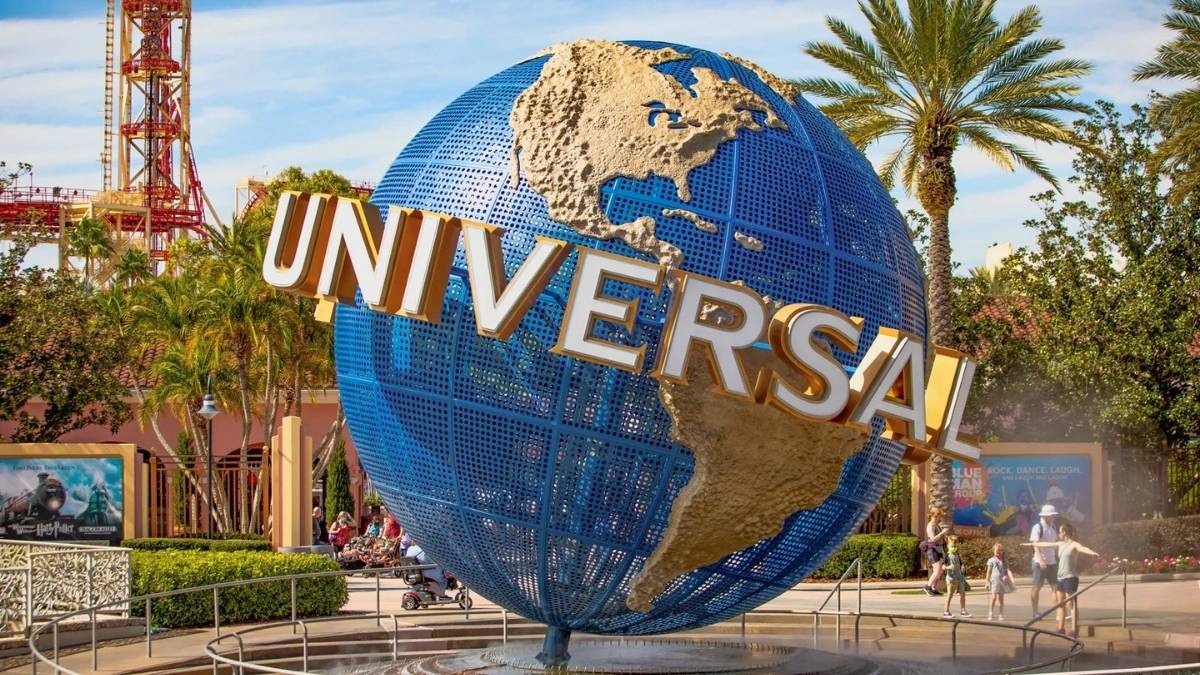
Similarly, Universal Pictures has carved out consistent success by backing visionary filmmakers and blockbuster franchises. Collaborations with directors like Christopher Nolan and Jordan Peele, along with enduring franchises such as Fast & Furious and Jurassic World, highlight its ability to balance creative storytelling with mass-market appeal.
Sony Pictures Entertainment, through its Columbia Pictures division, has thrived by leveraging partnerships and franchises — most notably Spider-Man, developed in collaboration with Disney’s Marvel ecosystem.
In terms of recent business developments, the narrative around mergers and acquisitions remains dynamic. This year, Paramount Skydance Corporation and Warner Bros Discovery (WBD) announced a definitive merger agreement under which Paramount will acquire WBD, forming a premier global media and entertainment company focused on expanding consumer choice and empowering creative talent worldwide.
$111 Billion Showdown
Paramount and its chief executive, David Ellison, prevailed against Netflix to acquire Warner Bros Discovery for $111 billion. Ellison has said that the deal will be good for the creative community, pledging to release at least 30 movies in theatres annually and invest in both studios. He has also argued that a deal with Netflix would have created a subscription streaming behemoth twice the size of its competitor.
However, more than 1,000 writers, actors and directors are opposing Paramount’s acquisition of Warner Bros Discovery, saying the deal would harm Hollywood’s already distressed entertainment industry.
Backlash in the Ecosystem
News reports state that the letter, which was signed by well-known performers and directors including Bryan Cranston, Joaquin Phoenix, Tiffany Haddish, Lily Gladstone and Yorgos Lanthimos, warns that merging two of Hollywood’s major studios will result in “fewer opportunities for creators, fewer jobs across the production ecosystem, higher costs and less choice for audiences in the United States and around the world.”
Paramount’s deal with Warner Bros Discovery is expected to close later this year pending approval from shareholders and government regulators.
David Ellison, chairman and CEO of Paramount, a Skydance Corporation, said in a statement: “From the very beginning, our pursuit of Warner Bros Discovery has been guided by a clear purpose: to honour the legacy of two iconic companies while accelerating our vision of building a next-generation media and entertainment company. By bringing together these world-class studios, our complementary streaming platforms, and the extraordinary talent behind them, we will create even greater value for audiences, partners and shareholders — and we couldn’t be more excited for what’s ahead.”
Hollywood studios are at a crossroads as online streaming services are challenging long-standing decision-making processes in the traditional motion picture industry. While major Hollywood studios are undergoing a fundamental restructuring, moving away from a primary reliance on box office hits and physical media toward Direct-to-Consumer (DTC) platforms, data-driven content strategies, and global streaming distribution, this shift is characterised by intense competition between traditional studios and tech-driven streaming services, leading to hybrid release models.