



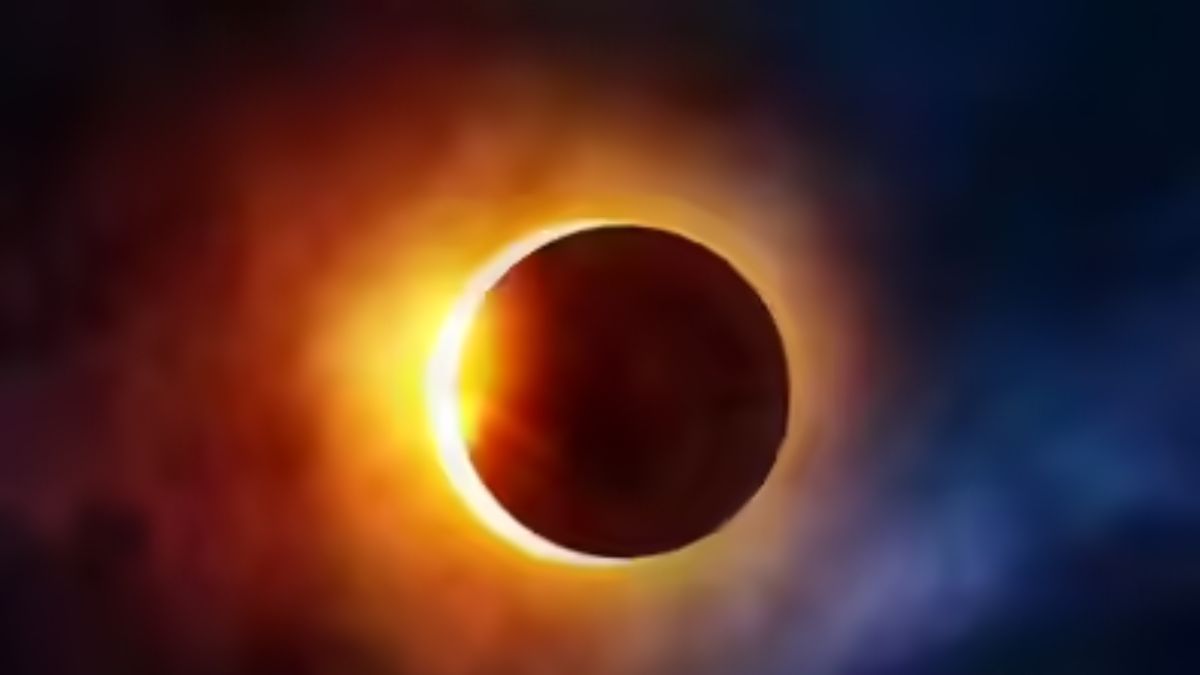
For a few magical moments on August 12, the skies over Spain will darken just before sunset in a total solar eclipse. Lasting 90 seconds, it will be the first total solar eclipse visible in mainland Spain since 1905. While the eclipse will also be visible from Greenland, Iceland and a small part of northeastern Portugal, Spain stands out as Europe’s premier destination to witness the phenomenon.
The path of totality will stretch from the country’s western regions across the Mediterranean coast and onward to the Balearic Islands, offering multiple vantage points for visitors. Combined with Spain’s warm August weather, excellent transport links and vibrant cultural scene, it is expected to draw over half of one million eclipse enthusiasts from across the globe to Castile, León and Burgos. But a trip to Spain offers far more than a front-row seat to the skies.
Visitors can pair eclipse viewing with tapas trails in Madrid, wine tasting in Rioja, coastal walks in Galicia or a relaxing island escape in the Balearics. Adding to the excitement, the European Space Agency (ESA) plans public observation sessions, expert talks and a global live broadcast through ESA Web TV. Whether you’re a seasoned stargazer or a curious traveller, Spain in August 2026 promises an unforgettable blend of science, culture and adventure.
Travel Planner
What to wear: Lightweight cotton or linen clothing, a hat, sunglasses and comfortable walking shoes. Carry sunscreen and a light jacket for cooler evenings. Most importantly, pack certified solar eclipse viewing glasses.
When to travel: Arrive at least 2-3 days before August 12 to settle in, explore your destination and monitor weather forecasts for the best viewing conditions.
How to reach: Fly into major Spanish gateways such as Madrid, Barcelona, Bilbao or Valencia, depending on your chosen viewing location. Spain’s extensive high-speed rail network and domestic flights make it easy to travel across the country, while rental cars offer flexibility for reaching the best eclipse viewpoints.