



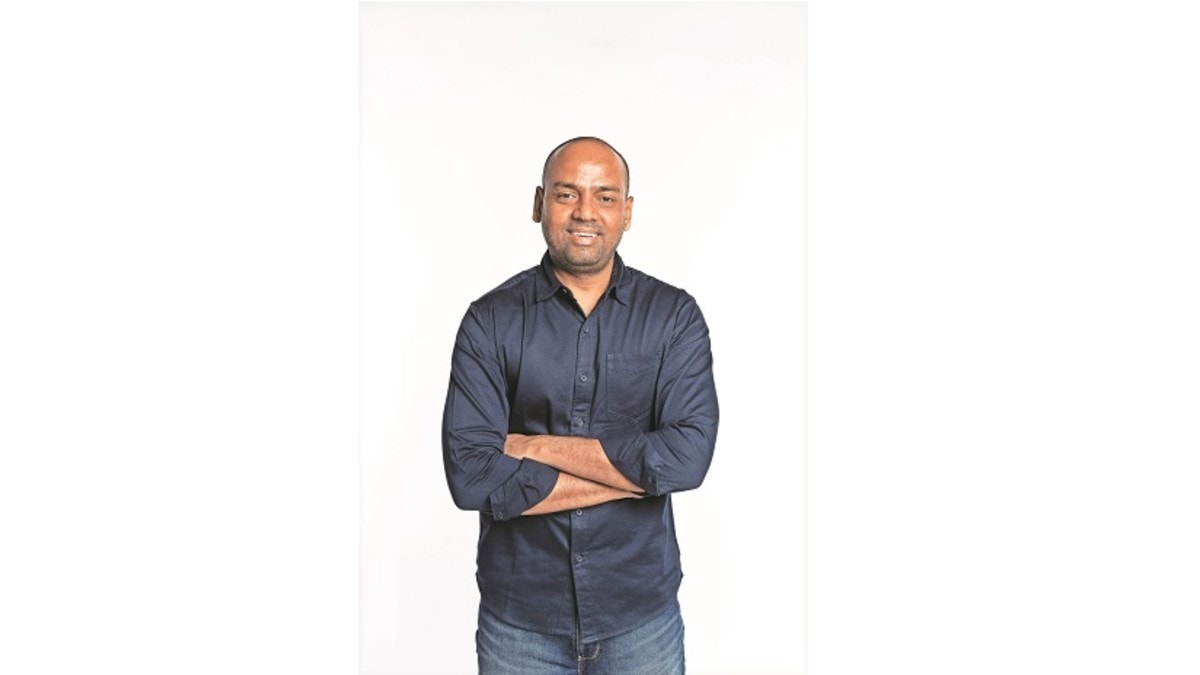
With Ankahi, Aadyam Theatre makes its first move into the supernatural thriller space, bringing a Hindi adaptation of Susan Hill’s celebrated stage classic, The Woman in Black, to Delhi on March 28 and 29, and Mumbai on April 18 and 19. Director Vikranth Pawar, known for mounting visually rich musical productions, now turns to the subtleties of psychological horror, crafting an experience built on mood, imagination and emotional intensity. In a conversation with FE, Pawar reflects on adapting an iconic text for Indian audiences, the craft of staging fear in a live format, and why genre experimentation is essential for contemporary theatre. Edited excerpts:
Q1: Ankahi marks Aadyam Theatre’s foray into the supernatural thriller genre. What made you feel this was the right moment to attempt horror on the Indian stage?
Pawar: I had been wanting to stage this play for a very long time. From the moment I first read the script, I felt this would be a fantastic show to create for the Indian audiences and so we adapted it to Hindi. It was great to see the support from the team at Aadyam Theatre when I approached them with the show and I am grateful to be collaborating with them on bringing this show to life.
Q2: Susan Hill’s The Woman in Black has an iconic legacy in global theatre. How did you approach adapting the text for a contemporary Hindi-speaking audience while retaining its core?
Pawar: The play is a masterclass in psychological suspense and inventive theatrical storytelling. It was very important that we do not tamper with the structure and the core narrative itself. We just wanted to make the story more relatable to the audiences, so we have adapted it to Hindi which brings the story closer to home.
Q3: Horror in theatre depends more on atmosphere than cinematic spectacle. What staging choices were key to building suspense in Ankahi?
Pawar: In approaching this production, my effort has been to immerse the audience in a world of quiet dread where imagination drives fear, and where the line between reality and performance slowly begins to dissolve. The horror in this play is not so much about the jump scares as it is about the environment built by the telling of this haunting story. Every element of the production is designed to draw the audience into the story’s unsettling world.
Q4: The play explores grief, memory, and guilt alongside supernatural elements. How did you balance emotional realism with genre-driven tension?
Pawar: I focused on the actors to anchor the emotional realism of the story and used everything else—sets, sound, lighting, projection —to play with the genre-driven tension. The combination of these ideas makes the story personal and, at the same time, experiential.
Q5: Having directed large-scale musicals earlier, how different was the creative and logistical process of mounting a tightly structured thriller like Aadyam Theatre’s Ankahi?
Pawar: I feel if you care about the story that you are telling, then the effort required to pull off a large-scale musical and a tight thriller is the same. In both cases, your endeavour is to transport the audience to the land of that particular story. So the creative flex and the logistical might needed for each, though proportionately different in size, is equally challenging and rewarding.
Q6: Do genre-led productions such as this signal a shift in audience expectations, particularly as theatre competes with streaming and digital entertainment?
Pawar: I think theatre competes with no other platform of entertainment as it offers something really unique that no other stream of entertainment provides—a story told live using a combination of many performing arts together—acting, dancing, singing, puppetry, mime, audio visual, music and much more. I would personally love to see more and more genres experimenting within the theatre.
Q7: Ultimately, what lasting experience or reflection would you like audiences to carry with them after watching Ankahi?
Pawar: Honestly, I feel our job as storytellers is to present the story to the best of our abilities. Once you have done that and the audience has witnessed it, then it becomes their personal judgement and journey with it. I look forward to seeing you in the audience for Ankahi.