



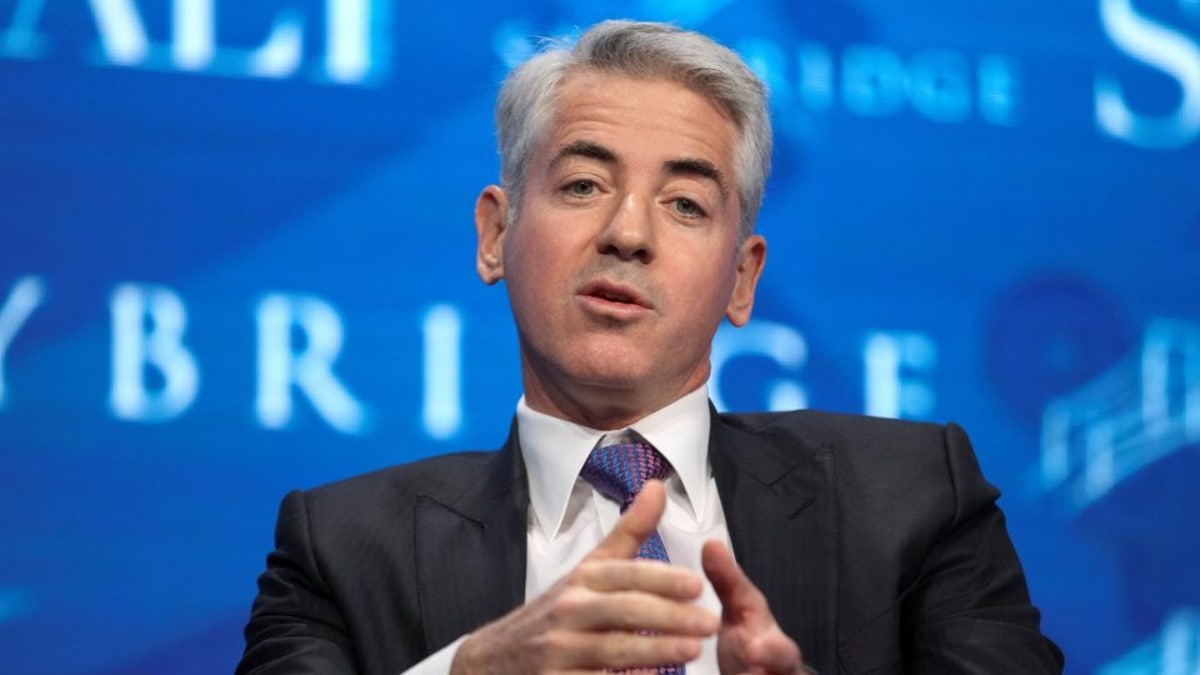
Bill Ackman has a habit of making money where everyone else sees ruin. In 2008, as Wall Street wrote off General Growth Properties (then the second-largest mall operator in America), he bought roughly a third of the company for around $60 million.
Years later, that decision turned into one of the biggest wins in modern investing. Today, he says the same kind of thinking may still apply, just in a very different market. The conversation popped up during the All-In podcast with Chamath Palihapitiya, Jason Calacanis, David Sacks, and David Friedberg.
Ackman bet on a company everyone else walked away from
In 2008, General Growth Properties was in deep trouble. The company had more than $27 billion in debt, and around $15 billion of it was due within just 18 months. When the global credit crisis hit, refinancing became almost impossible.
The company’s value crashed from around $20 billion to nearly $100 million. The stock fell more than 98% in a year, dropping to just 34 cents. Most Wall Street analysts stopped covering it or moved on completely.
Bill Ackman bought a third of a $20 billion company after it crashed to $100 million – the stock went from 34 cents to $34
— Сarm1ne (@carm1nee) June 3, 2026
it's the most contrarian bet in modern Wall Street history
"I called the CEO, he didn't return my call – I called again, he didn't return my call – six… https://t.co/niMv4hgM7D pic.twitter.com/7UdSayXBy5
But Ackman and his firm, Pershing Square, took a closer look. They didn’t see a broken business, they saw a balance sheet problem. The company still owned more than 200 high-quality malls in strong locations, with occupancy levels around 91% to 93%. In their view, the real estate was valuable; the debt structure was the real issue. In Ackman’s view, the business was not dead, it was just stuck in a liquidity crisis.
On April 16, 2009, General Growth Properties filed for Chapter 11 bankruptcy. Around the same time, Pershing Square committed about $375 million in financing to support the restructuring and ended up holding roughly 25–27% of the company. By November 2010, the company exited bankruptcy. The stock had moved from 34 cents to about $34.
That turned Ackman’s roughly $60 million investment into more than $3 billion, a return of over 9,000%.
The CEO who never called back
In the interview, Ackman also shared a small detail that didn’t make it into the official restructuring story.
Before the bankruptcy process began, he tried to speak directly with the company’s CEO. The call was never returned. He tried again. Still no response. “Six weeks later, they spun off the company, the CEO got fired, then he called to thank me for his exit package,” Ackman recalled.
From mall company to a long-term machine
The GGP restructuring eventually led to the creation of Howard Hughes Holdings, a real estate development business built around large planned communities. The company controls about 26,000 acres in Summerlin, Nevada, along with major residential and commercial projects.
He has described his long-term vision for it as something closer to Berkshire Hathaway, where steady cash flows from real estate could eventually be used to build a permanent capital base that compounds over decades. Berkshire itself, he noted, was once undervalued and misunderstood in a similar way during earlier market cycles.
The same pattern he sees today
The conversation then shifted from history to today’s market, especially the rise of artificial intelligence. Ackman pointed to the dot-com bubble as an example. Back then, investors rushed into internet stocks while avoiding traditional companies like Berkshire Hathaway. At the time, Berkshire was seen as outdated. Later, it turned out to be one of the most reliable long-term investments of that era.
He believes something similar is happening now. Speaking at the 2026 summit, Ackman used the story to explain how markets often behave during periods of fear and excitement.
“There are analogies to 2000: people got excited about internet stocks, and Berkshire traded at the lowest valuation in its history because people said that’s all old stuff. A similar thing is happening today to Amazon, Meta, Microsoft; they’re undervalued.”
According to him, investors are heavily focused on the “AI infrastructure layer,” chips, data centres, and hardware, while overlooking the large platform companies that sit on top of that system.
Meanwhile, Ackman’s fund, Pershing Square, has been increasing its exposure to these companies.
- Amazon is now one of the fund’s largest holdings, worth about $2.4 billion
- Meta makes up roughly 10–11% of the portfolio
- Microsoft was bought at around 21 times forward earnings, close to market levels but below its historical valuation range.
Disclaimer: This article is based on publicly available information, including interviews, podcasts, and statements made by Bill Ackman and other market participants. It is intended for informational purposes only and does not constitute financial advice, investment advice, or a recommendation to buy or sell any securities.