



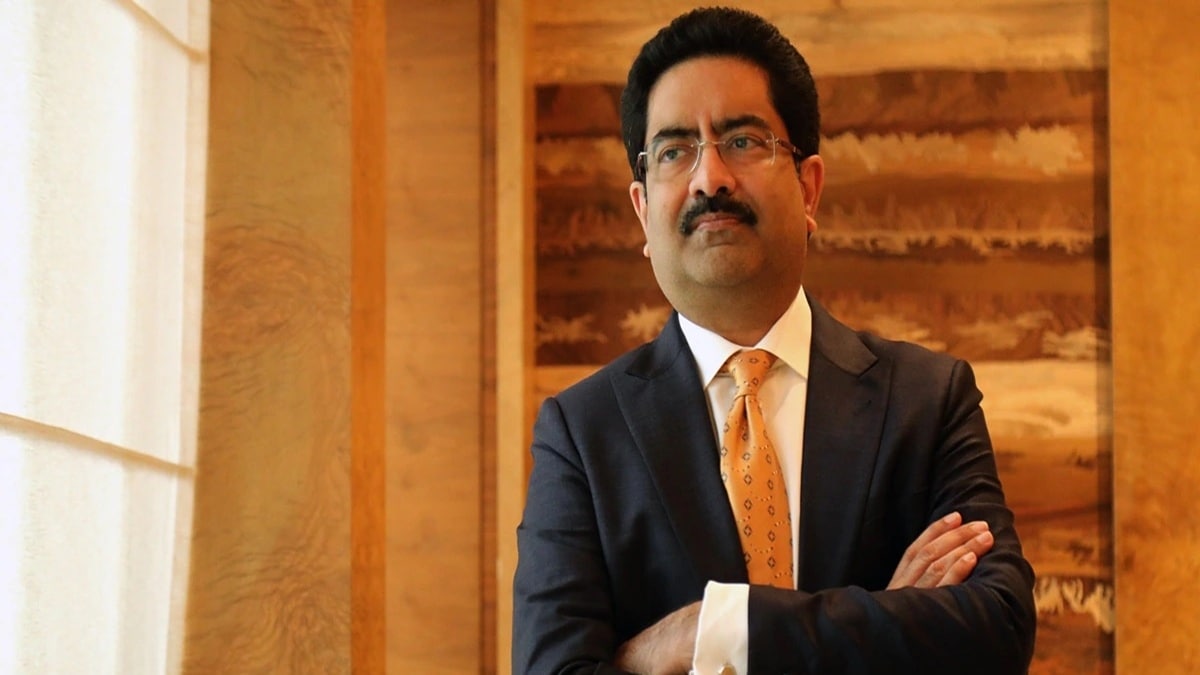
Aditya Birla Group Chairman Kumar Mangalam Birla said India is passing through a historic phase of transformation that offers a once‑in‑a‑generation opportunity to emerge as a global economic powerhouse. While speaking at the public valedictory of the RSS Karyakarta Vikas Varg‑Dwitiya at Reshimbagh Ground in Maharashtra’s Nagpur, the industrialist highlighted the country’s demographic strengths, infrastructure expansion, digital reforms and financial inclusion as the pillars of this “Amrit Kaal” vision.
“India today benefits from a rare convergence of demographic dividends, favourable economic tailwinds, world‑class infrastructure development, digital public platforms and financial inclusion,” Birla said. “Together, these factors provide a historic opportunity to take the country to new heights.”
Amrit Kaal: A 25‑year roadmap to transform India
Birla framed his remarks around Prime Minister Narendra Modi’s concept of ‘Amrit Kaal,’ the 25‑year period after India’s 75th Independence Day in 2023 aimed at reshaping the economy by 2047. The initiative seeks rapid, inclusive growth, improved living standards, upgraded infrastructure and technology, and greater global trust in India.
“‘Amrit Kaal’ represents a rare window that comes only once in the lifetime of a nation,” he told attendees. “This period presents a unique opportunity that we must seize to realise the vision of a New India by 2047.”
Confidence after colonial legacy
Reflecting on India’s historical trajectory, Birla observed that centuries of colonial rule had dented national self‑confidence but said the nation has rebuilt that trust and now ranks as the world’s sixth‑largest economy. He expressed conviction that, despite current global headwinds, India’s long‑term prospects remain strong.
“Centuries of colonial rule may have weakened India’s self‑confidence, but the country has now emerged as the world’s sixth‑largest economy and is advancing rapidly towards greater prosperity,” he said.
Global uncertainties and the need for resilience
Birla acknowledged persistent global risks- geopolitical rivalries, volatile crude prices and supply‑chain disruptions- but argued that these challenges underscore the urgency of strengthening national capabilities.
“The world has been caught between the competing ambitions of superpowers. Over the past three years, crude oil prices have witnessed extreme fluctuations due to global conflicts, while supply chains have come under stress repeatedly,” he said. “History teaches us that building national capability and resilience is essential to overcoming challenges and securing long‑term progress.”
AI and technology as transformational forces
Highlighting technology’s role in the transformation, Birla singled out Artificial Intelligence as a revolution with pervasive impact across industries and societies. “Artificial Intelligence is standing at our doorstep. This technological revolution is likely to affect more people and industries than any other innovation in history,” he said, urging policymakers and businesses to harness AI responsibly to accelerate development.
Throughout his address, Birla called for collective action from industry, government and citizens to capitalise on the Amrit Kaal opportunity. He expressed confidence that India has the talent, infrastructure and institutional momentum to navigate global uncertainties and ascend as a leading force in the world economy.
“The challenge before India comes at a time when the nation is in its Amrit Kaal,” he said. “These conditions reinforce the need to strengthen national capabilities and resilience so that India can secure long‑term progress and global leadership.”