



In the last couple of days, Naved Khan, a local real estate broker in Downtown Dubai, has been putting additional efforts into finding buyers for the luxury properties he tries to sell. “I tell my clients that it is the best time to buy. Sellers are ready to give 10 to 15% additional discounts,” said Khan, who is originally from Lucknow.
“I feel the property market will remain like this for the next five to six months. So we have to work harder than before,” he said. Khan says that, like other nationalities, Indian buyers have also become extra skeptical due to tension in the region.
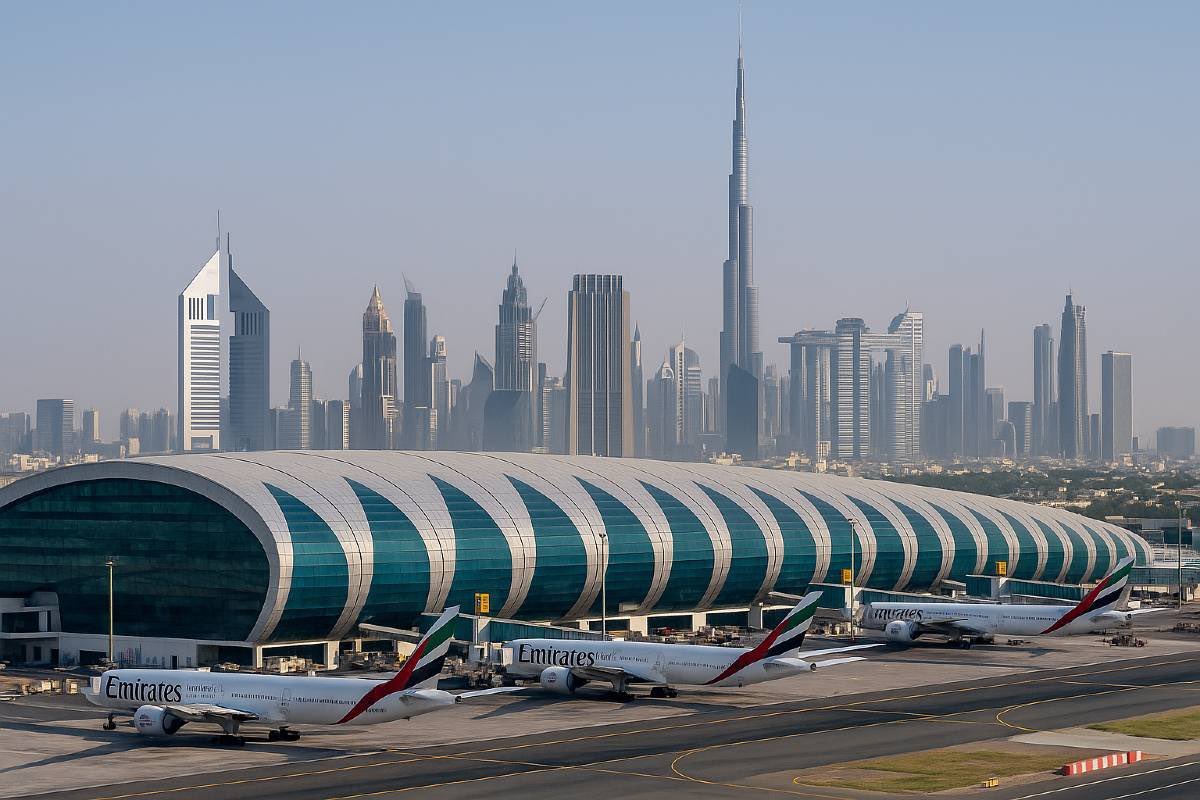
Khan’s struggle is a telling tale of the conditions of Dubai’s property market, known for luxury villas, beachside houses, and high-end apartments, in the aftermath of recent attacks by Us -Israel in West Asia. Buyers have become cautious and, in a wait-and-see mode.
“I hope the tension ends soon. Lest it becomes very difficult,” he said.
Indian buyers are vital for the Dubai property market as 10% of buyers are Indians, and every third buyer in luxury properties is an Indian, after the British and the Europeans.
Besides their own use, wealthy Indians invested in properties there, as there is no tax on rent, proximity to India, among others, made it attractive. For instance, according to Knight Frank research, a million dollars will get over 800 sq ft of prime property in Dubai, while in London, the same amount will get about 360 sq ft.
Dubai is a key property market in the region. In 2025 alone, the emirate recorded nearly AED 917 billion (about $250 billion) worth of real estate transactions, the highest in its history. Transaction volumes crossed 270,000 deals, reflecting strong investor participation and deep liquidity in the market. Residential real estate has been a major driver of this momentum, according to Anarock Property Consultants.
Nearly 200,000 residential transactions valued at around AED 538 billion were recorded during the year. Since 2021, residential property prices in Dubai have risen by roughly 60–75%, making it one of the strongest housing cycles globally in the post-pandemic period.
Sentiment-Driven Pause
However, in the aftermath of the US-Israel attacks in the region, prospective buyers have turned cautious.
Nayyum(name changed), another Indian, who works as an Assistant General Manager in an Indian engineering firm, has put off his house-buying plan for the time being.
“I want to see how it (tension) pans out. I don’t want to see how prices stabilise,” said Nayyum.
Prashant Thakur, executive director and head of research at Anarock Property Consultants, said that as of now, it is certain that many transactions that were in the pipeline will probably be put on hold.
“What is certain is that global markets are currently taking a hard pause and reassessing investment plays until clarity on the current situation emerges – however long that may take,” Thakur said.
He said that given the UAE’s inherent and unique demand drivers and fundamentals, there may not be many cancelations, he said, adding:” Even though real estate is very much a sentiment-driven market that is vulnerable to such drastic upheavals, investment decisions are driven by a market’s USPs and a long-term perspective.
Resilience vs. Reality
Developers in Dubai expect the situation to change soon.
“I think the expat community is quite comfortable in the UAE. So I do not see that changing. People who have newly arrived, might take a pause,” said Darshan Hiranandani, managing director at Hircon International and CEO at Hiranandani Group which developed projects in the emirate.
Hiranandani said when a crisis happen, UAE takes a short time dip but post it rebounds very quickly. “So once this whole crisis passes, I see things bouncing back. ” He said . He said even if prices fall, they will bounce back.
Rohit Gupta -group CEO at Mantra Group, which has project in Dubai, said the the current conflict will surely have its impact in the short-term dampening the sentiments. “However, with a new enquiries during the time of crisis, a few investors see value appreciation once the conflict concludes,” Gupta said. This momentum will resume as the situation returns to normal in the medium to long term, he said .
He added that investors and end users will wait and watch before the confidence resumes for investment in the region.” They will look for strong signals from the UAE govt for long term solutions to such crises in the future. Restoring confidence will take at least a quarter,” he said .
He said they are insulated from the current crisis as 90% of our project is sold and their construction is slated to begin in next quarter.
On the probable dip in home prices , he said “Yes, as the mood becomes cautious, sentiments will dampen in the ultra short term. This will trigger value buys between those who have liquidity and realtors with large unsold inventory. Other asset classes like equities, have also become attractive diverting fund flow out of Real estate. However, as the situation returns to normalcy in the next few weeks, there will be a spike in investments where investors will book profits in equity and resume buying real estate for long term stability.”
Sachin Bhandari, Executive Director and CEO, VTP Realty, said while it may be premature to call it a sharp slowdown, there can be a pause-and-evaluate approach among Indian HNIs.
” Many NRIs and global Indians, who were actively allocating capital to the Middle East may reassess risk exposure,” Bhandari said.
Since India now offers regulatory transparency, infrastructure momentum, and currency familiarity, which collectively provide stronger emotional and financial comfort, he said adding”, we may see capital that was earlier earmarked for overseas luxury assets being redirected toward premium Indian residential markets, particularly in established urban centres.”