



In a recent conversation with Barclays, Unilever CEO Fernando Fernandez said the corporation now has a 300,000-strong influencer army, up from 10,000 only two years ago. It is shifting 50% of its marketing budget away from paid media and mass-market campaigns to influencers, content creators, and advocates. The company’s India arm, Hindustan Unilever (HUL), has increased the influencer count from 700 in FY24 to more than 12,000 in FY25, while hiking its digital marketing budget by 40%.
This is a fundamental shift in how the corporation builds brands — instead of the traditional top-down advertising it is throwing its weight for a decentralised ecosystem of creators and advocates. But while influencer partnerships generally cost a fraction of celebrity deals, do they land better? What are the possible pifalls of bypassing tried and tested methods? More importantly, Is this the way to go? Experts debate.
Control has moved to the hand of the consumer
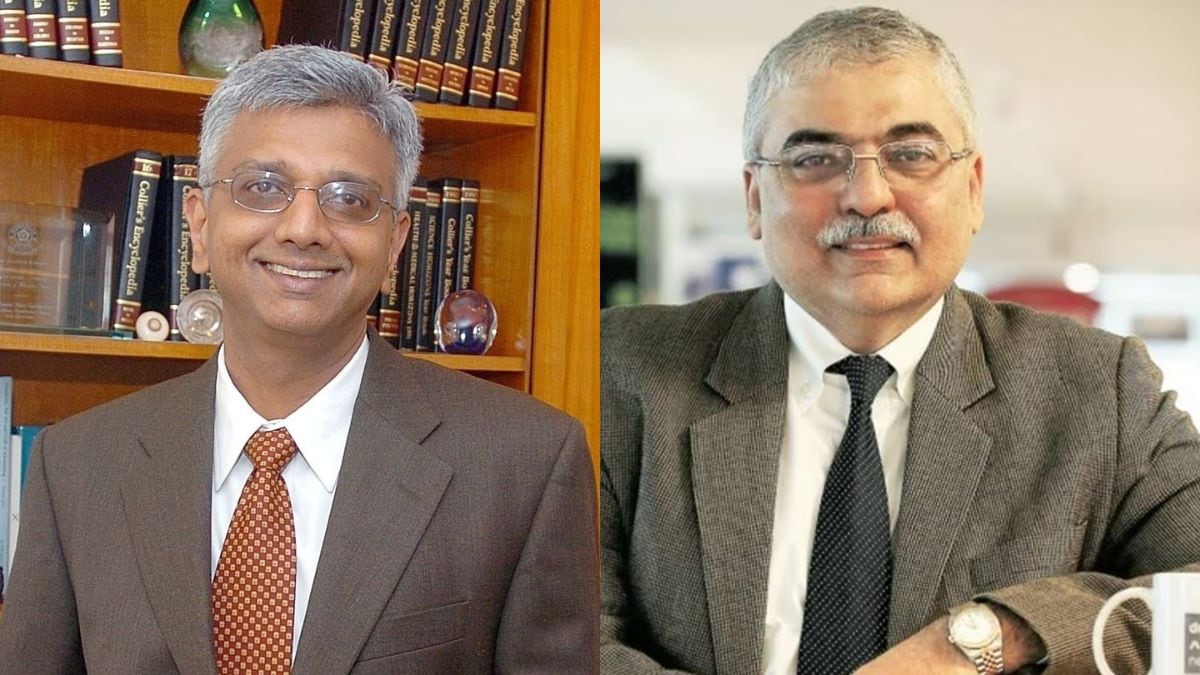
Ashish Bhasin, founder, The Bhasin Consulting Group, & former CEO, Asia Pacific, Dentsu
Unilever is not new to influencer marketing. In the past it has partnered with film stars and other celebrities — who were influencers of that era — to endorse its brands. There are a couple of reasons why companies like Unilever are shifting their budgets to influencers. Brands would move to where consumers are, and today consumers have shifted from traditional media like newspapers, radio or television to digital platforms and social media, OTTs and video streaming platforms. Earlier, brands like Unilever and P&G used would craft their messages according to what they wanted to say and then broadcasted it to the masses. Today, the brand’s story is not in their hands. Consumers control the messaging of a brand now.
Take this. Not so long ago, Sachin Tendulkar was traveling via British Airways and the airline misplaced his kit during transit at Heathrow. When Tendulkar tried to raise a concern with the brand, he got a generalised response asking his name and other details. This conversation got viral on Twitter (now X) within minutes, in my opinion, damaging the airline’s image. So if the communication has moved into the hands of the consumer, it is better for brands to leverage a peer-to-peer communication system where consumers are listening to recommendations by influencers.
Influencers offer this great art of localisation also. Since there are a number of influencers who appeal to a particular community or a group of people or a specific geography. Consumers relate to them and the trust has moved to them as compared to a celebrity who appeals more generally to a mass of people. So as part of the strategy, Unilever will also have to set up mechanisms so that they can control the conversation.
The strategy will have to be a little different in India. When it comes to mediums and channels where you will find consumers, it is a fragmented space. You can find consumers online and on digital platforms, but they are also consuming traditional media like television. In terms of the medium of use, India is not an ‘or’ market; it is an ‘and’ market. So Unilever’s approach has to be measured with their push towards influencer-led marketing.
Ignoring other media totally could be a mistake. So the formula is, influencers plus many other media.
Unilever might be unwittingly creating an army of competitors
Ambi Parameswaran, founder, brand-building.com
The Elaboration Likelihood Model (ELM) of persuation developed by Petty & Cacioppo proposed a theory about how consumers process information. There is the ‘high thinking’ or the central route and there is the ‘low thinking’ or the peripheral route. We adopt a central route when we have to take a complex decision: Which car to buy? Which mutual fund to buy? And we adopt the peripheral route when we have to make a less substantive decision: Which soap to buy? Which snack bar to consume?
Brand marketers figured out that there could be a way of making consumers use the peripheral route and not the central route. What was this way? Well the use of celebrities could be the answer. This is an expensive new brand of car. But if Shah Rukh Khan is endorsing it, it could not be too bad. This is a pretty complex skin care routine, but if Priyanka Chopra says it is good enough for her, well it is good enough for me.
The rise of influencers of myriad hues has created a new flood of endorsements. For a fee, influencers are ready to endorse a skincare routine. But influencers, at least the smarter ones, know that they are walking on ice. If they endorse brands that don’t fit their audience profile, they could end up losing a large number of followers. The big celebrities too had this worry but they did believe — which is to some extent true — that their larger than life image will carry through. SRK can endorse undergarments and luxury properties with equal alacrity.
Unilever has signalled that they will embrace the influencer ecosystem with full gusto. This is the same company, at least in India, that worked with a large number of celebrities. Don’t forget that they started it all with Lux and Leela Chitnis. Will using 10,000 influencers be the solution to get out of big budget celebrity endorsements? And what are the pitfalls?
For one as this influencer mania grows, consumers or followers are going to get weary of influencers endorsing multiple brands. The bigger influencers may continue to grow their base, but the others will have issues. The second issue is the rising cost of influencer promotion. Mamaearth was an early bird to this game. But the rates are no longer what they used to be. And even a nano-influencer with 10,000 followers wants a hefty fee.
The third is a bigger problem that companies like Unilever will have to wake up to. As an influencer grows in stature, thanks to big bucks deals from brands like Lux and Dove, they will want to find their own calling. Chances are they will want to launch their own brands, just the way Katrina Kaif has her own Kay Beauty under the Nykaa platform. In a sense Unilever might be creating thousands of new brands that will one day pose a threat to their bread and butter business, as Ritu Mody Kamdar of Jigsaw Consultants observed in her LinkedIn post.