



India has never qualified for a FIFA World Cup. And yet, right now, someone in Kolkata is deciding whose house to watch the Argentina match at. In Kozhikode, a chai stall owner is calculating whether it is worth staying open until 3am. In a Delhi PG, flatmates are arguing over who gets the remote for the quarter-final.
None of these people appear in a conventional media plan. But they are, collectively, the most important insight in sports marketing this year.
India is the world’s second-largest consumer of FIFA World Cup content despite never having participated in the tournament. That paradox is not a footnote; it is a brief. The brands responding most effectively are the ones that have stopped treating the World Cup merely as an advertising vehicle and started viewing it as a cultural moment.
To be clear, this is not an argument against running regular advertising during the tournament. A great ad remains a great ad regardless of what is happening on the sports channel. IKEA’s “Welcome to the Home Cup” campaign in Colombia barely showed football at all. It worked because it captured the rituals of gathering, hosting and celebrating around the tournament rather than the matches themselves.
The real opportunity lies above the media plan. Every four years, the pattern repeats. Brands rush to buy inventory, chase viewership numbers and run contests. Then the tournament ends and very little is remembered. This is not a failure of investment. It is often a failure of imagination.
Divergent Fandoms
The distinction between football and cricket matters. The Indian cricket fan watching India play is driven by collective emotions — national pride, rivalry, anxiety and hope. Indian advertising has mastered that language over decades.
The football fan watching Brazil versus France at 2am is experiencing something entirely different. There is no national team to support and no flag to wave. This fan is there because of a personal attachment to the game, a club, a player or a footballing culture adopted by choice rather than birth.
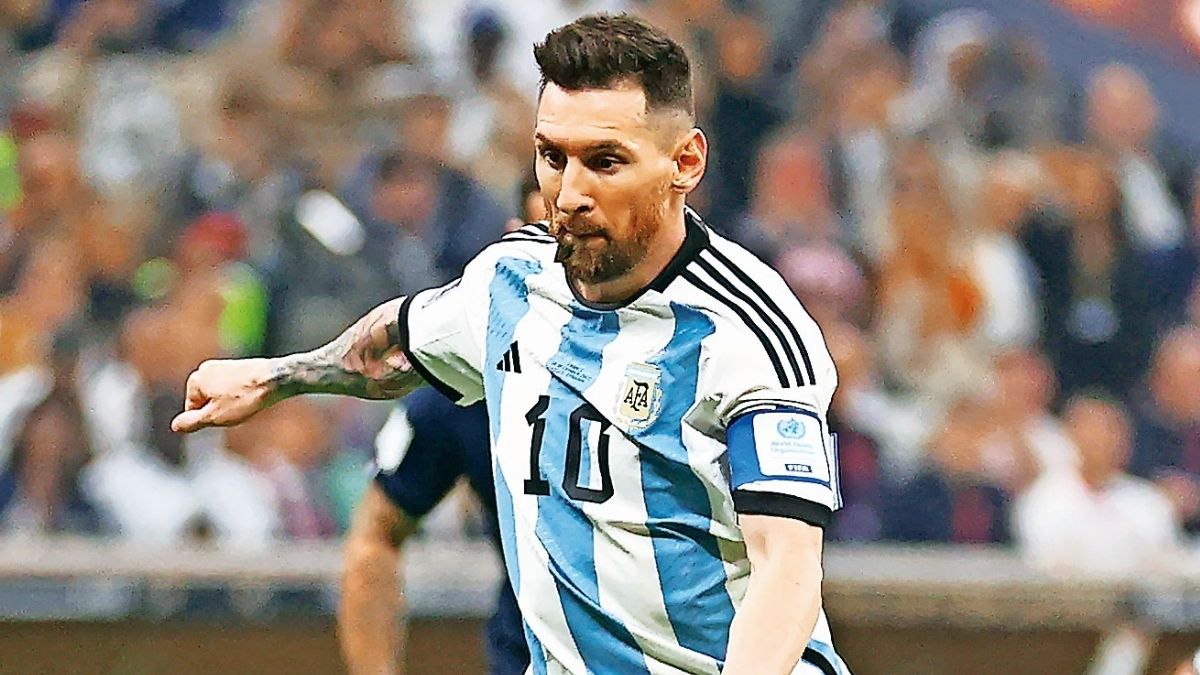
India’s football audience is also unusually diverse. Traditional strongholds such as West Bengal, Kerala, Goa and the Northeast remain deeply invested. Alongside them sits a newer urban audience in Mumbai, Delhi and Bengaluru — younger consumers whose loyalties are often tied to the Premier League, La Liga, Ronaldo, Messi or Mbappé.
10 PM IST Factor
Context changes everything. More than 87% of World Cup matches will be played after 10pm IST. A fan watching on a phone at 2am is not consuming sport in the same way as a family gathered around a Sunday afternoon cricket match. These are highly intentional viewers. They have chosen to be there.
In India’s football belts, World Cup nights already function like local festivals. Cafes stay open late, housing societies organise screenings and fans gather in jerseys and colours. The social experience matters as much as the football itself. A brand that helps create that experience earns something more valuable than visibility: belonging.
Global marketers increasingly understand this. The World Cup is no longer treated as a single event but as thousands of local experiences unfolding simultaneously. Campaigns are built around communities, rituals and digital behaviour rather than television audiences alone.
Coca-Cola, for instance, has built a World Cup content strategy around real-time engagement, creator culture and digital storytelling aimed at younger consumers who increasingly experience football through clips, memes and reactions rather than full broadcasts.
India has seen glimpses of this thinking, but relatively few football campaigns have entered popular culture despite decades of passionate viewership. The audience exists. The emotional intensity exists. What remains underdeveloped is the habit of speaking to football fans on their own terms.
That is particularly striking because India produces some of the world’s most emotionally sophisticated advertising. The creative capability is not in doubt.
What football offers is a brief that cricket cannot. Cricket comes with a ready-made narrative supplied by the national team. Football does not. There is no Indian team carrying the emotional burden of the tournament. The story must be discovered rather than inherited.
What does it mean to love a game your country does not play on the biggest stage? That is a uniquely Indian football question, and one that remains surprisingly unexplored by brands.
A regular advertisement during the FIFA final may be perfectly good marketing. An advertisement about what it means to stay awake through the night for a team you chose, a game you love and a dream your country has not yet realised is something else entirely.
The World Cup arrives in Indian living rooms for 39 nights with India absent from the pitch. The question is not whether audiences are emotionally invested; the data settled that long ago. The question is whether brands see those emotions as something to participate in rather than merely advertise around.
Thousands of stories are unfolding. Many are still waiting to be told.